Fredrikstad Old Town
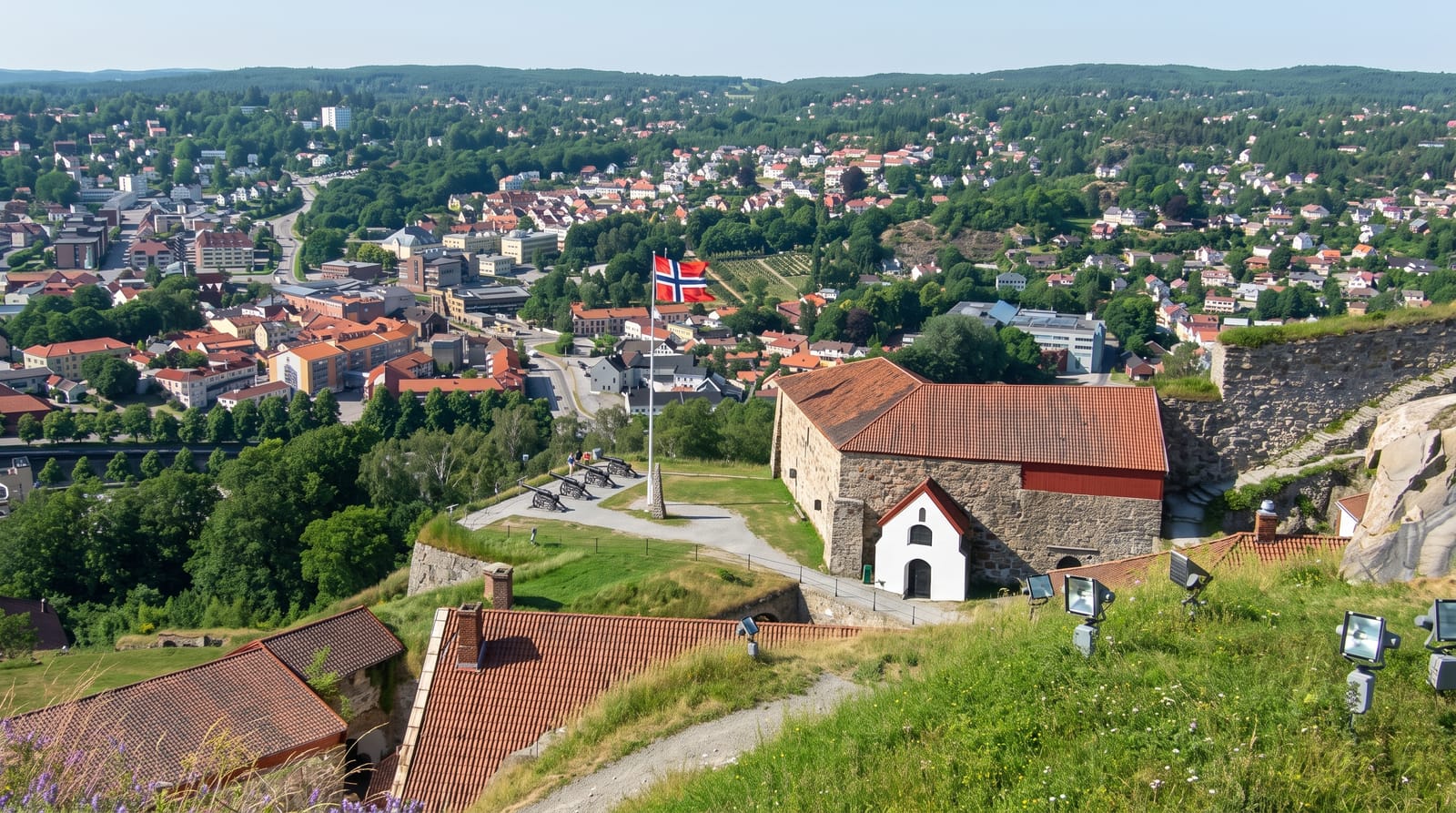
Northern Europe's best-preserved fortified town, with earth ramparts, moats and cobbled streets still lived in.
Updated 4 September 2026
AI illustration
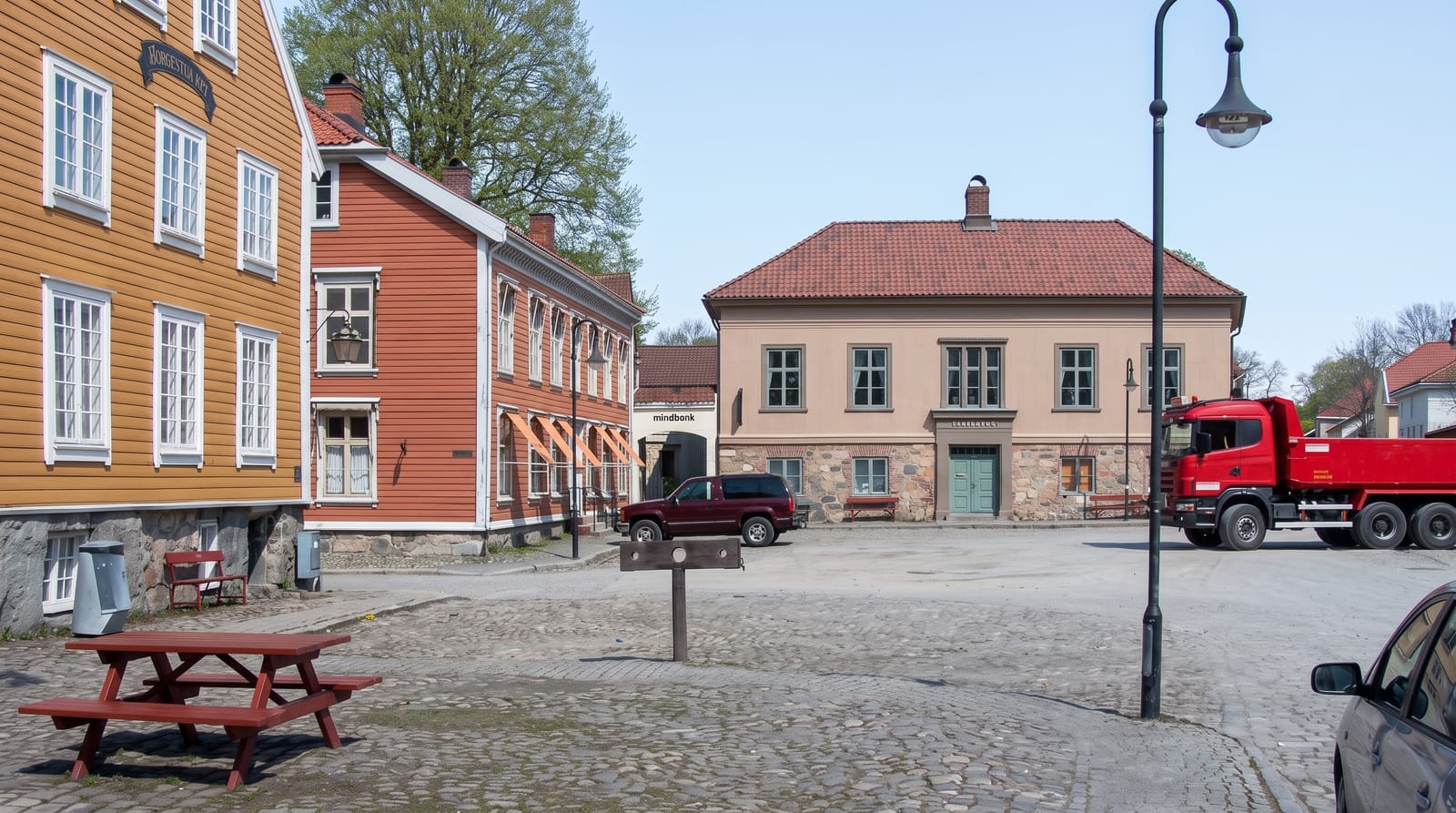
Gamlebyen was founded in 1567 after the older town upstream was burned, and it was laid out as a fortress town with bastioned earth ramparts, wet moats, gates and a grid of streets inside, completed through the seventeenth century. Around three hundred people still live within the walls, and the buildings, mostly eighteenth and nineteenth-century timber and brick, hold shops, workshops, galleries, cafes and a small garrison museum, so it functions as a district rather than a monument. It is generally described as the best-preserved fortified town in northern Europe. A free passenger ferry crosses the Glomma from the modern centre every few minutes, and the surrounding outer forts, including Kongsten, can be walked to.
What you'll find
- The earth ramparts - bastioned walls and wet moats around the town.
- The street grid - a seventeenth-century plan still in daily use.
- The timber and brick houses - eighteenth and nineteenth-century buildings.
- Kongsten fort - an outlying fortification a short walk away.
When to go
May to September, when the shops, cafes and museums are open and the ramparts are green; the free ferry runs year-round. Summer weekends and events fill the narrow streets.
Before you go
This is a working residential district, so many buildings are private homes. Some shops and museums keep short seasonal hours. The old town is small and walked in a couple of hours.
Nearby
Kongsten fort is outside the walls; Hvaler islands and Sarpsborg lie south and east.
Key facts
Source: Wikidata, item Q11971499, read on 18 October 2026.
What to pack for Fredrikstad Old Town
Chosen from what this place is for. Tap a kit for the full checklist.
- Comfortable walking shoes - Sightseeing means kilometres of pavement and cobbles daily. Find on Amazon
- A slim anti-theft daypack - Zips that close properly; keep it in front in crowds and on transit. Find on Amazon
- A refillable water bottle - Many cities have public fountains; save money and plastic. Find on Amazon
- A light layer + compact umbrella - For museum air-con and a sudden shower. Find on Amazon
Some links on this page are Amazon affiliate links - if you buy through them we may earn a small commission at no extra cost to you.
All packing kitsPlan your trip
Where to start if Fredrikstad Old Town is going on the list.
Booking links on this page are affiliate links - if you book through them we may earn a small commission at no extra cost to you. It never changes what we write about a place.
Opening times, ticket prices and seasonal closures change - check the official source before you go: official site.