Hulst
A complete double ring of ramparts in Zeelandic Flanders, changing hands eleven times before it stayed Dutch.
Updated 21 October 2026
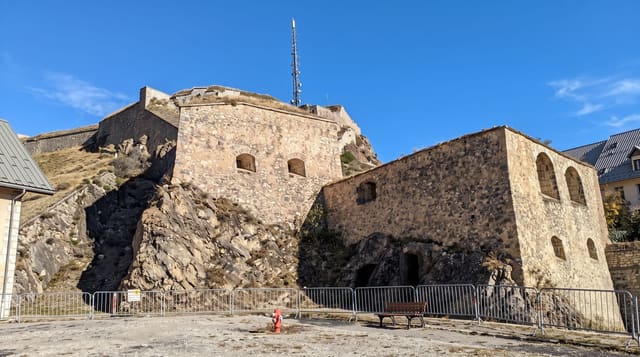
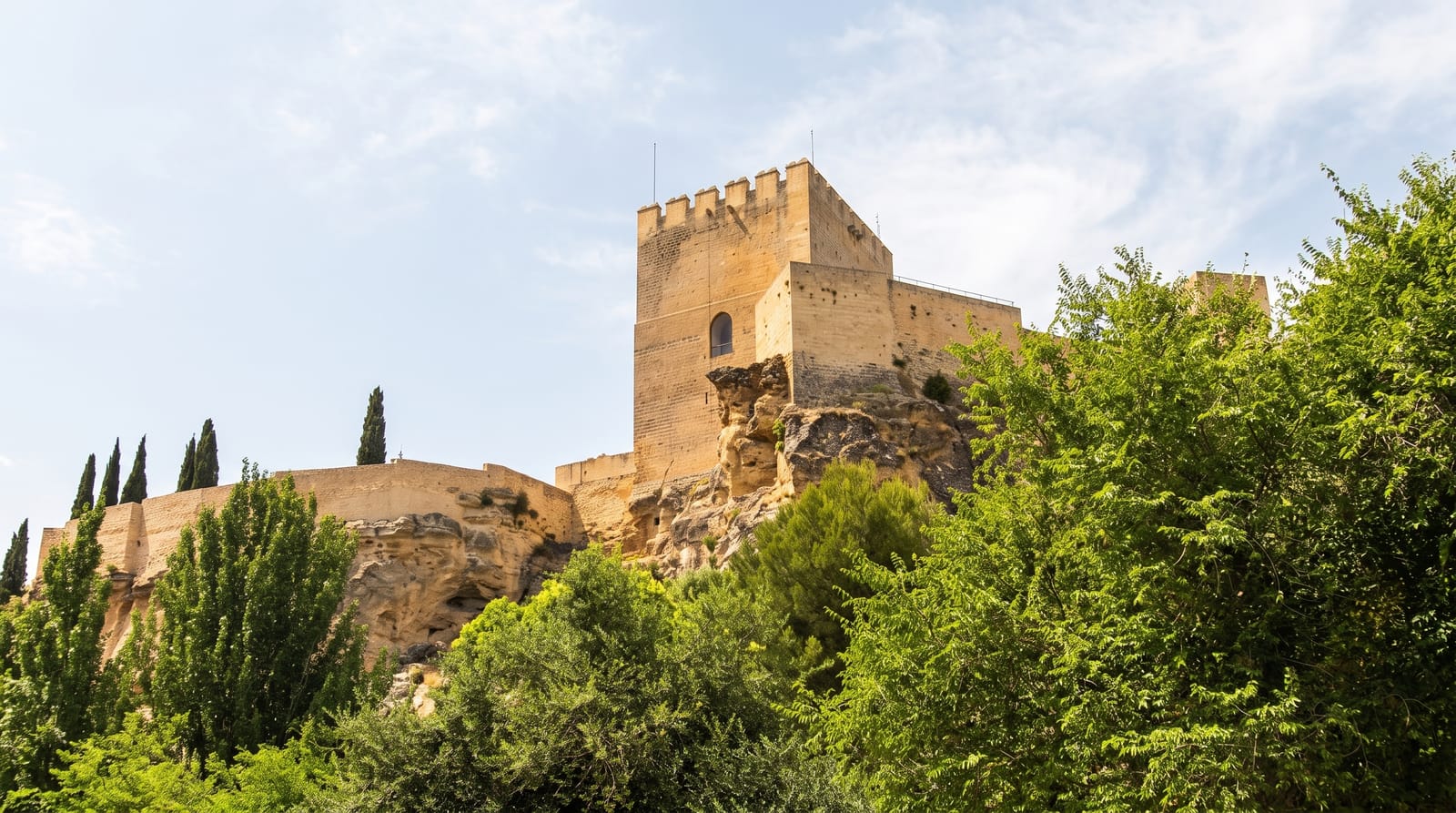
Hulst stands in Zeelandic Flanders, the piece of the Netherlands on the south bank of the Westerschelde, and it kept one of the most complete fortress rings in the country: a double circuit of bastioned earth ramparts with a moat between them, rebuilt in the seventeenth century, entirely intact and walked around in about an hour. Its condition follows from its history - the town sat directly on the front line between the Republic and the Spanish Netherlands and was besieged and captured repeatedly through the Eighty Years War, changing hands about eleven times before Frederick Henry took it for good in 1645, and it was refortified after each. The basilica of St Willibrord is a large Gothic church rebuilt after fires. Hulst is culturally as much Flemish as Dutch, Catholic, and its dialect and food belong to the south.
History
Hulst received city rights in the 12th century, and its name, "holly", seems to come from the shape of its battlements; holly grows around the town's crest. Its star-shaped fortifications were built in the 17th century and are a historic example of Dutch fortress building (Wikipedia, Hulst).
What's there
- A double rampart ring - two bastioned circuits with a moat between, walked in an hour.
- Eleven changes of hands - the front line of the Eighty Years War, refortified each time.
- A large Gothic basilica - St Willibrord's, rebuilt after repeated fires.
- A Flemish character - Catholic, southern in dialect and food, not typically Dutch.
When to go
April to October. A day.
Before you go
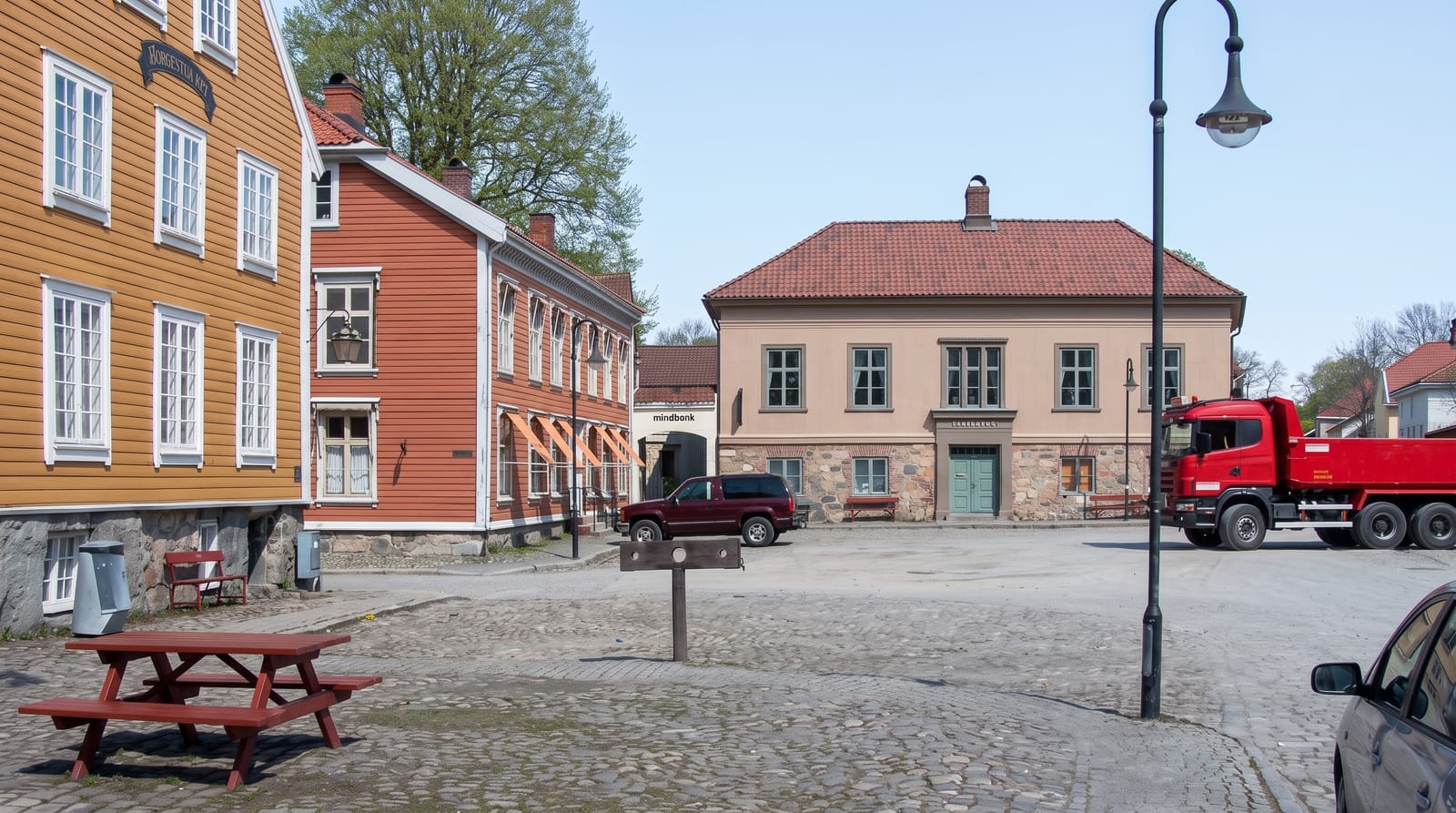
The town inside the walls is small - the ramparts are the substance. The museum closes on Mondays. Public transport from the Dutch side is awkward; Antwerp is closer than most of the Netherlands.
Nearby
Saeftinghe is east; the Westerschelde tunnel to Walcheren is north-west.
Key facts
Source: Wikidata, item Q10073, read on 18 October 2026.
What to pack for Hulst
Chosen from what this place is for. Tap a kit for the full checklist.
- Comfortable walking shoes - Sightseeing means kilometres of pavement and cobbles daily. Find on Amazon
- Modest clothing - Shoulders and knees covered - the single most common requirement. Find on Amazon
- A slim anti-theft daypack - Zips that close properly; keep it in front in crowds and on transit. Find on Amazon
- A scarf or shawl - To cover the head or shoulders on entry; women especially at mosques. Find on Amazon
Some links on this page are Amazon affiliate links - if you buy through them we may earn a small commission at no extra cost to you.
All packing kitsPlan your trip
Where to start if Hulst is going on the list.
Booking links on this page are affiliate links - if you book through them we may earn a small commission at no extra cost to you. It never changes what we write about a place.
Opening times, ticket prices and seasonal closures change - check the official source before you go: official site.