The Huvalu Forest
The island's green law - the conservation forest of banyans, coconut crabs and tapu tradition covering Niue's southeast.
Updated 3 September 2026
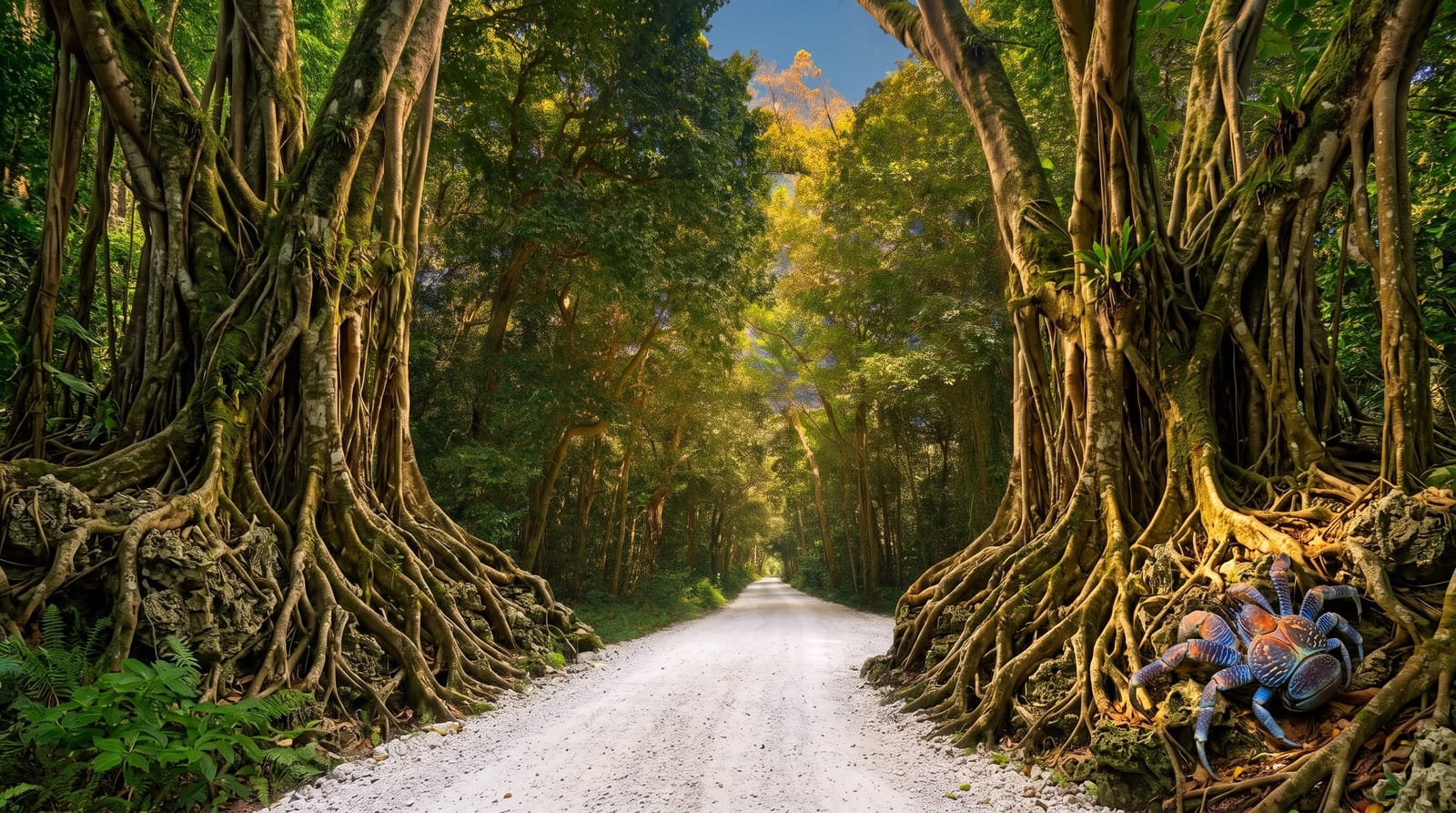
AI illustration
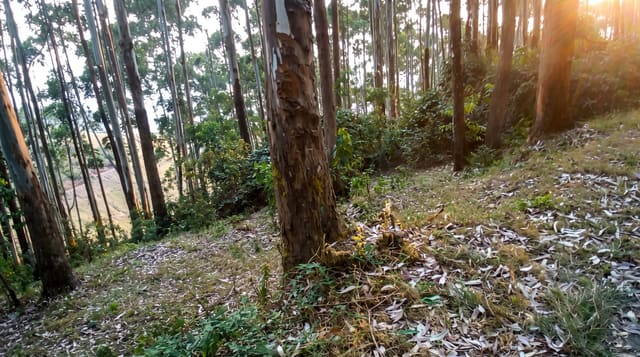
Niue's southeast keeps the Huvalu Forest under village trusteeship - the conservation area where old-growth banyans buttress the coral-limestone floor, uga (coconut crabs) patrol their protected commons, native pigeons and starlings work the canopy, and tapu tradition governs use in the arrangement that made the forest a community-conservation flagship. Tracks cross to the coast's chasms through green cathedral light, Hakupu's guides read the forest's food-and-medicine index on walks, and the uga's nocturnal patrols reward torch-lit returns. It is the island's living green constitution. The reserve is community-owned rather than government land, which is unusual and is why it survived intact.
What's there
- The banyan cathedrals - old growth on coral limestone.
- The uga commons - coconut crabs under protection.
- The village trusteeship - tapu tradition as conservation.
- The coast crossings - tracks to the chasm shore.
When to go
May to October for dry tracks; dusk walks meet the uga's patrols - guides time them.
Before you go
The forest floor is coral-sharp throughout - boots, not sandals; village courtesies and the uga's protected status are absolute.
Nearby
Hakupu village, the Togo-side chasms and the southeast coast.
What to pack for The Huvalu Forest
Chosen from what this place is for. Tap a kit for the full checklist.
- Broken-in walking shoes or boots - Grip and ankle support matter more than looks; never hike in brand-new boots. Find on Amazon
- Modest clothing - Shoulders and knees covered - the single most common requirement. Find on Amazon
- Layers + a waterproof shell - Mountain weather turns fast; a packable rain jacket saves the day. Find on Amazon
- A scarf or shawl - To cover the head or shoulders on entry; women especially at mosques. Find on Amazon
Some links on this page are Amazon affiliate links - if you buy through them we may earn a small commission at no extra cost to you.
All packing kitsPlan your trip
Where to start if The Huvalu Forest is going on the list.
Booking links on this page are affiliate links - if you book through them we may earn a small commission at no extra cost to you. It never changes what we write about a place.
Opening times, ticket prices and seasonal closures change - check the official source before you go: official site.