Lake Waikaremoana
A lake dammed by a landslide 2,200 years ago, ringed by rainforest bluffs, in the territory of Tuhoe.
Updated 29 October 2026
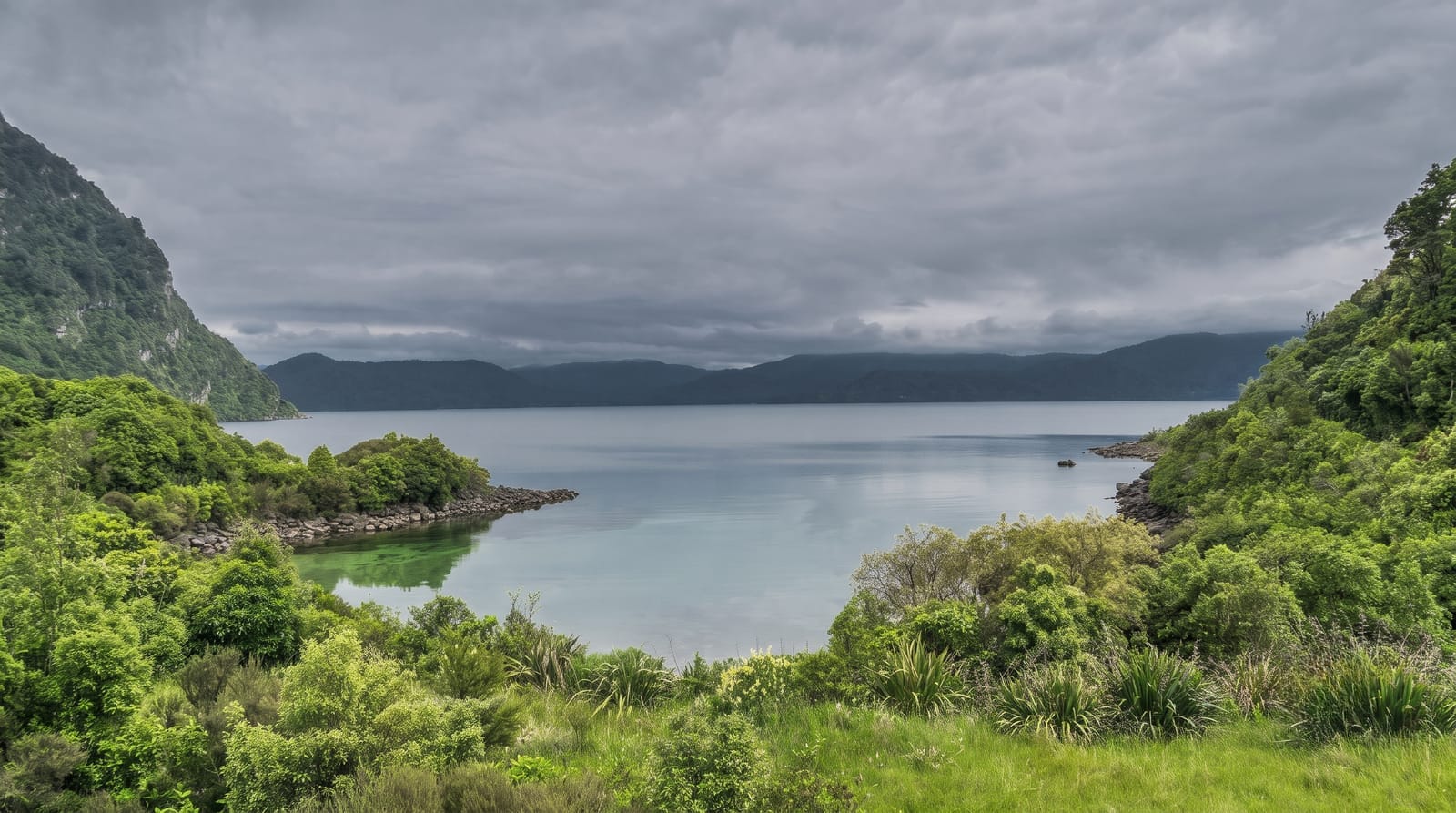
AI illustration
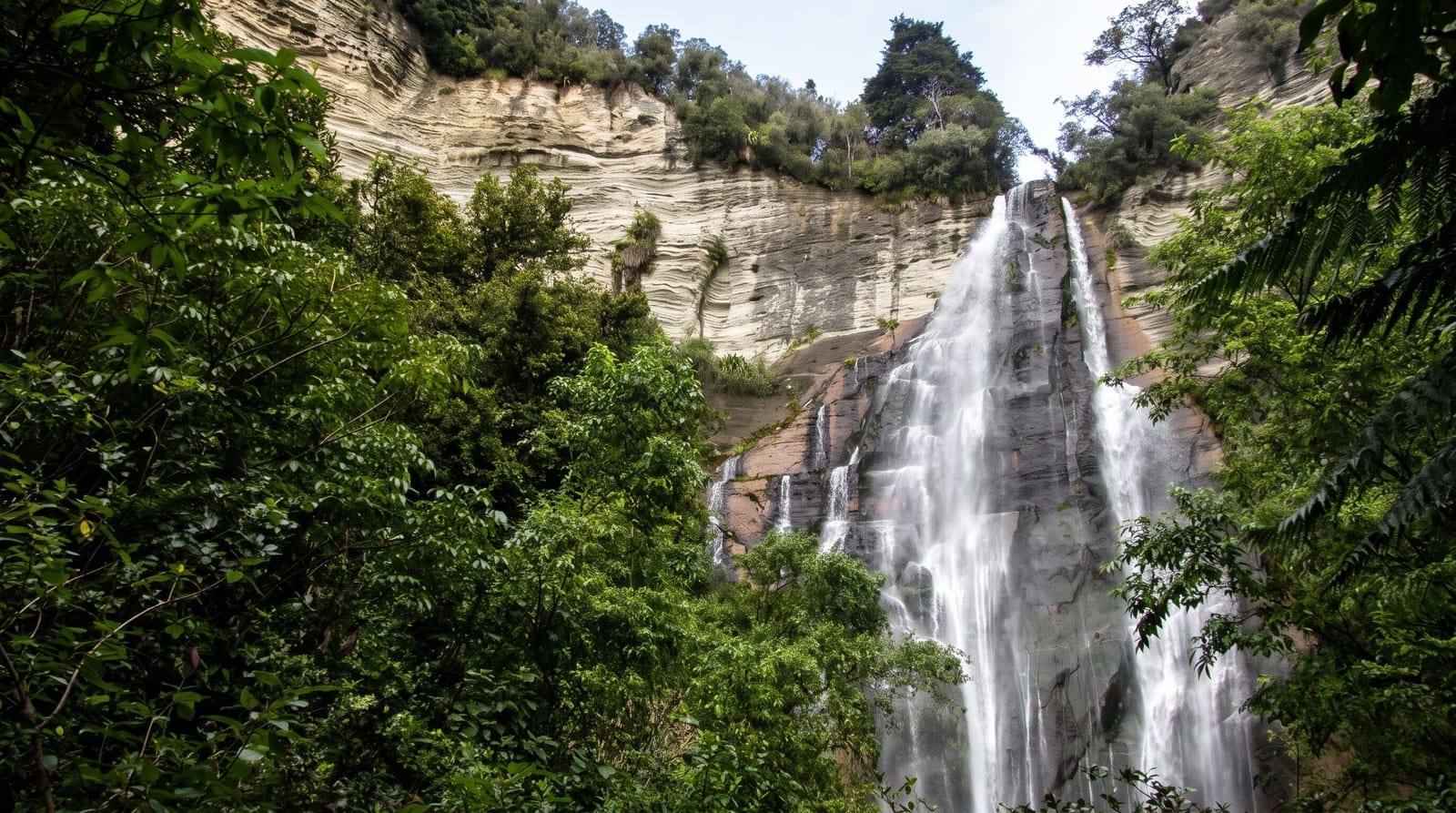
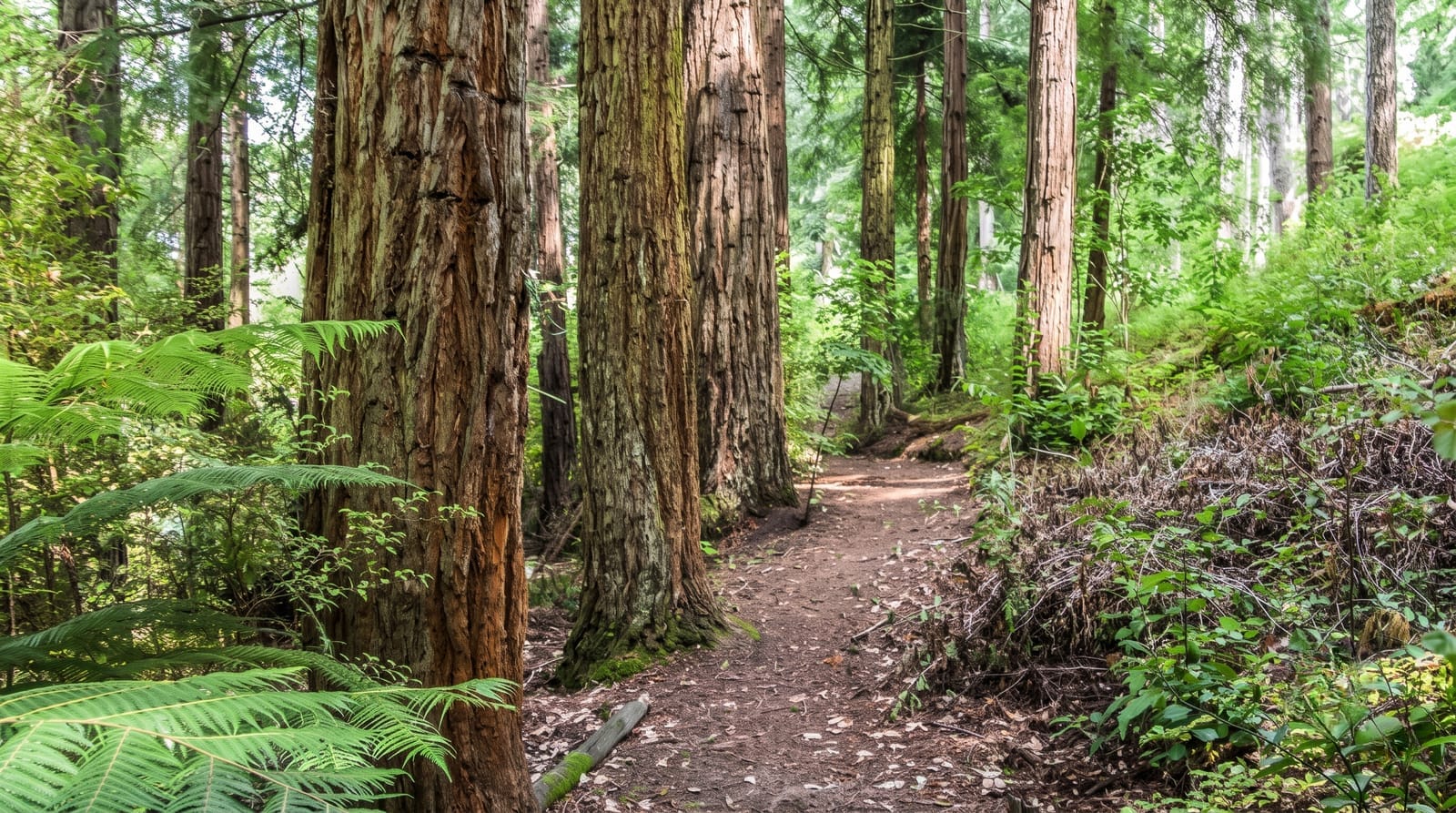
Waikaremoana - the sea of rippling waters - was formed about 2,200 years ago when a huge landslide blocked a gorge and the valley behind filled, which is why it is deep, irregular and edged with drowned bluffs rather than beaches. It sits in Te Urewera, the largest tract of native forest left in the North Island. Since the 2014 settlement Te Urewera holds legal personhood - it is neither a national park nor Crown land but a legal entity in its own right, with Tuhoe as its guardians, and that arrangement is worth understanding before visiting. The Lake Waikaremoana Track, still one of the Great Walks, runs 46 kilometres over three to four days, its hardest section the climb up the Panekire Bluff with the lake a long way below. Day walks reach Lake Waikareiti, Aniwaniwa Falls and shorter loops. Access is the real barrier: SH38 is long, partly unsealed and slow from either end.
Background
Lake Waikaremoana lies in Te Urewera in New Zealand's North Island, 60 kilometres north-west of Wairoa and 80 kilometres west-south-west of Gisborne. In Māori its name means sea of rippling waters. A huge landslide dam about 250 metres high created the lake around 2,200 years ago. It is the deepest lake in the North Island at 256 m and covers 54 square kilometres, with its surface 600 metres above sea level. Its waters fall within the tribal areas of Ngāi Tūhoe, Ngāti Ruapani and Ngāti Kahungunu ki Te Wairoa. On its southern shore stands the village of Onepoto, near the intake of the Waikaremoana hydroelectric scheme and the lake's former overflow channel. The Lake Waikaremoana Track, a Great Walk of three to four days, follows about half the shoreline.
Source: Wikipedia, "Lake Waikaremoana"
The landscape
- The landslide-dammed lake - deep water against drowned bluffs.
- The Panekire Bluff - the high traverse on the Great Walk.
- Lake Waikareiti - the smaller lake above, on a day walk.
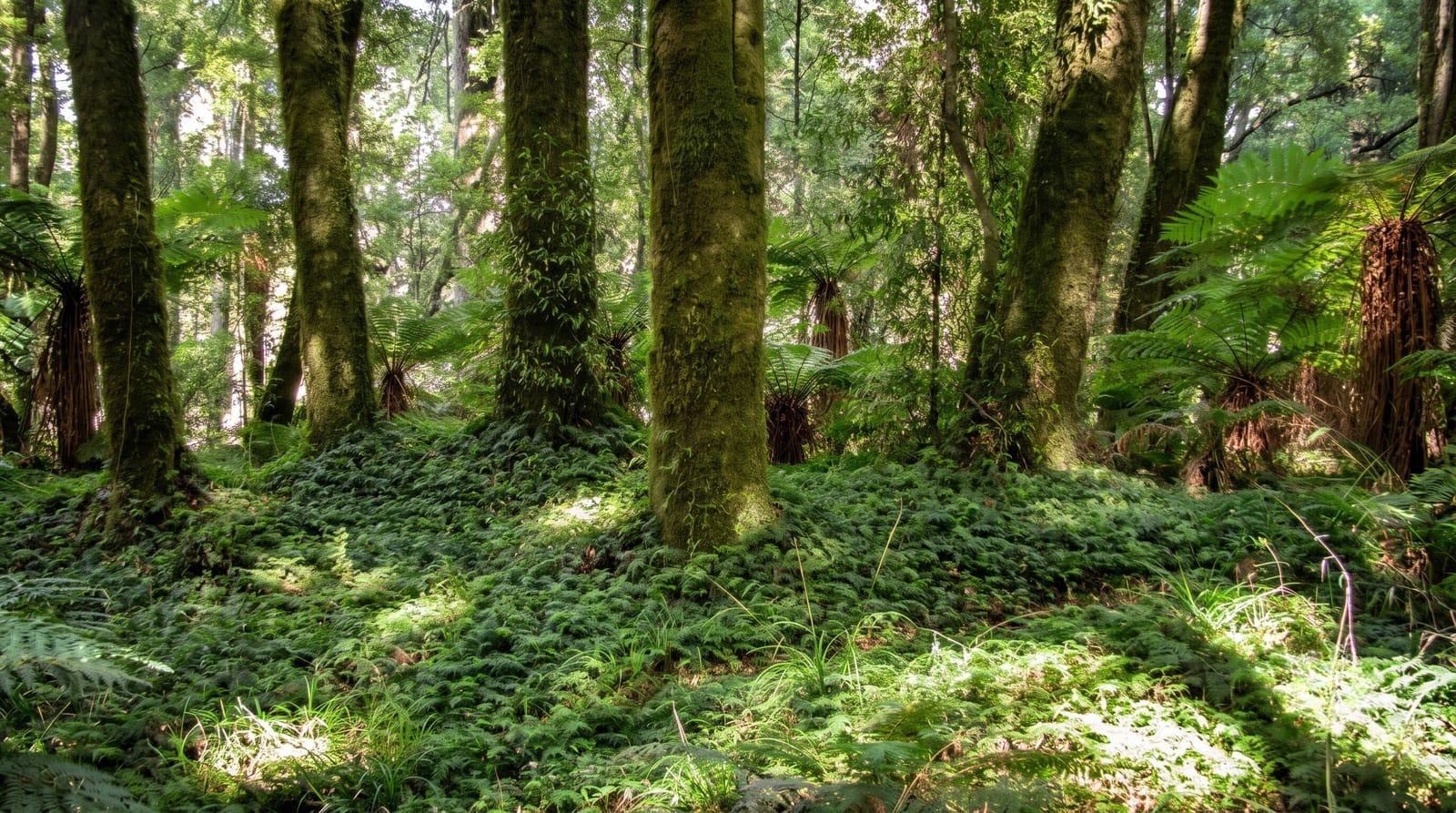
- Te Urewera forest - the largest native forest in the North Island.
When to go
November to April. Book Great Walk huts and campsites well ahead. Check road conditions - SH38 is long, unsealed in parts and slow in bad weather.
Before you go
It is remote: fuel, food and phone coverage are all limited, so arrive stocked. Te Urewera is under Tuhoe guardianship and some areas have specific protocols - follow the signage. Weather turns fast on the bluff.
Nearby
Wairoa is the nearest town; Whirinaki and Murupara are north-west.
Key facts
Source: Wikidata, item Q4272, read on 18 October 2026.
What to pack for Lake Waikaremoana
Chosen from what this place is for. Tap a kit for the full checklist.
- Reef-safe sunscreen - High SPF that will not bleach the coral you are swimming over. Find on Amazon
- Strong insect repellent - DEET or picaridin; the jungle is where bites and disease risk are highest. Find on Amazon
- Shelter suited to the place - Tent, tarp or hut booking - match it to the terrain and rules. Find on Amazon
- Quick-dry towel - A microfibre towel packs small and dries in minutes. Find on Amazon
Some links on this page are Amazon affiliate links - if you buy through them we may earn a small commission at no extra cost to you.
All packing kitsPlan your trip
Where to start if Lake Waikaremoana is going on the list.
Booking links on this page are affiliate links - if you book through them we may earn a small commission at no extra cost to you. It never changes what we write about a place.
Opening times, ticket prices and seasonal closures change - check the official source before you go: official site.