De Negen Straatjes
Nine short streets crossing the canal belt, laid out with the canal ring begun around 1612, several named after the old tanning trade, and now full of small shops.
Updated 21 October 2026
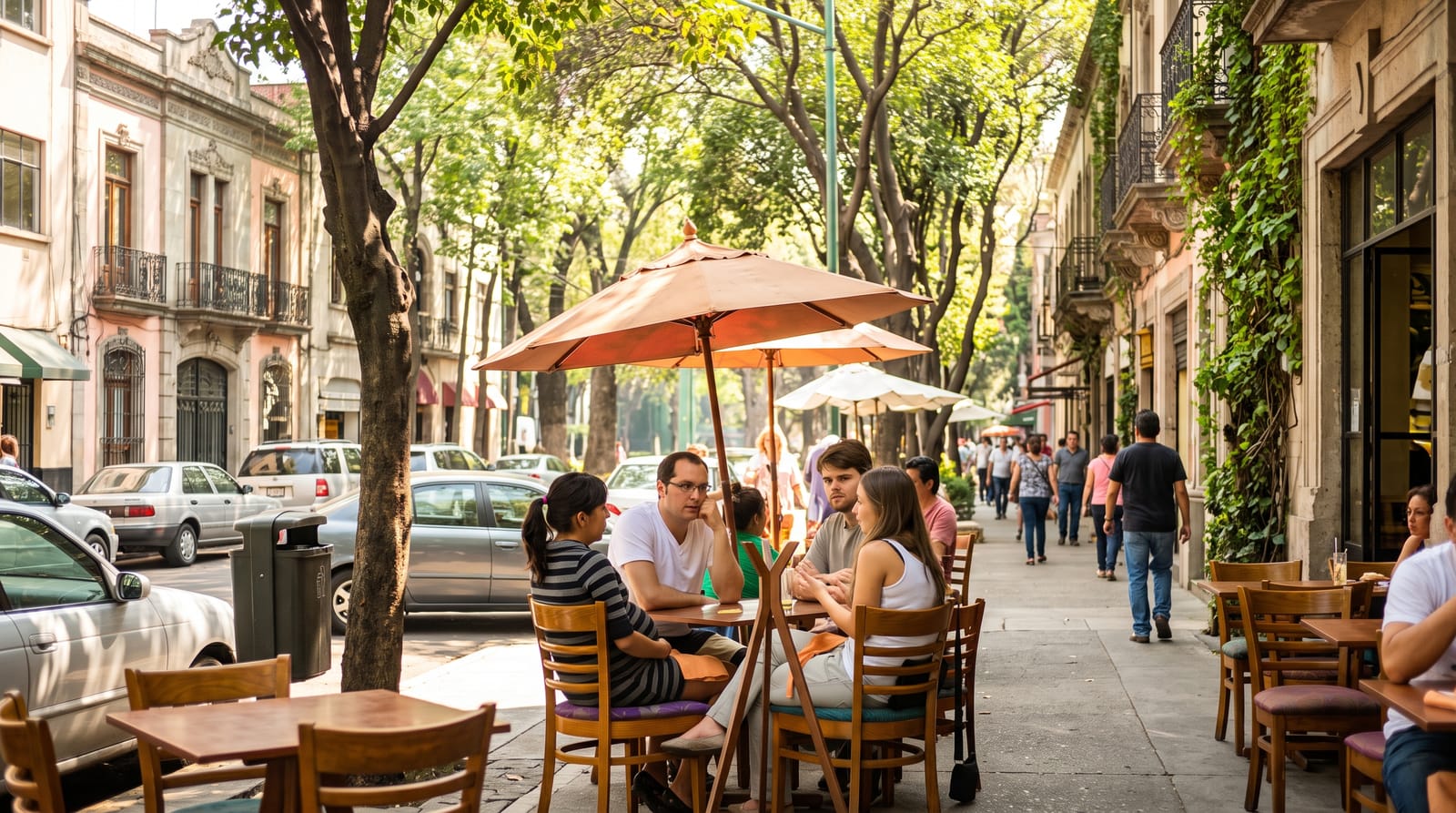
The nine streets run in three rows of three across the canal belt between the Singel and the Prinsengracht, laid out with the seventeenth-century expansion, and their old names record what happened in them - Huidenstraat, hide street; Runstraat, from the tanbark used in tanning; Wolvenstraat, wool - because the leather and tanning trades were placed here, downwind and away from the merchant houses on the canals themselves. The buildings are small-plot and low, which is why the shops now in them are small: the district became known from the 1990s for independent boutiques, vintage clothing, small galleries, cheese and book shops and cafes, and it is the standard answer to where to shop in Amsterdam away from the chains. It is also simply a good walk - three canals crossed nine times in a compact grid, with the bridges giving the views.
History
Amsterdam grew in four stages between 1585 and 1665, and the third, begun around 1612, laid out the canal ring that includes these streets. Most of the buildings date from the 18th century, with more than 140 listed monuments, and the name "Nine Little Streets" was promoted by local shopkeepers such as Djoeke Wessing (Wikipedia, Negen Straatjes).
Highlights
- Nine streets in three rows - crossing the canal belt between Singel and Prinsengracht.
- Trade names in the streets - hide, tanbark and wool, from the trades placed here.
- Small-plot buildings - which is why the shops in them are small and independent.
- Bridges and canal views - three canals crossed nine times in a compact grid.
When to go
April to October. Half a day.
Things to know
It is a shopping district and prices reflect that. Very crowded at weekends. Many shops close on Sunday mornings and some on Mondays. The tanning history is in the names only.
Nearby
The Anne Frank House and Westerkerk are north; the Jordaan is across the Prinsengracht.
Key facts
Source: Wikidata, item Q1980981, read on 18 October 2026.
What to pack for De Negen Straatjes
Chosen from what this place is for. Tap a kit for the full checklist.
- Comfortable walking shoes - Sightseeing means kilometres of pavement and cobbles daily. Find on Amazon
- A slim anti-theft daypack - Zips that close properly; keep it in front in crowds and on transit. Find on Amazon
- A refillable water bottle - Many cities have public fountains; save money and plastic. Find on Amazon
- A light layer + compact umbrella - For museum air-con and a sudden shower. Find on Amazon
Some links on this page are Amazon affiliate links - if you buy through them we may earn a small commission at no extra cost to you.
All packing kitsPlan your trip
Where to start if De Negen Straatjes is going on the list.
Booking links on this page are affiliate links - if you book through them we may earn a small commission at no extra cost to you. It never changes what we write about a place.
Opening times, ticket prices and seasonal closures change - check the official source before you go: official site.