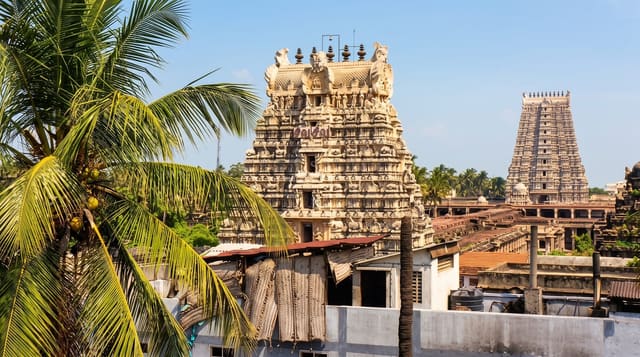
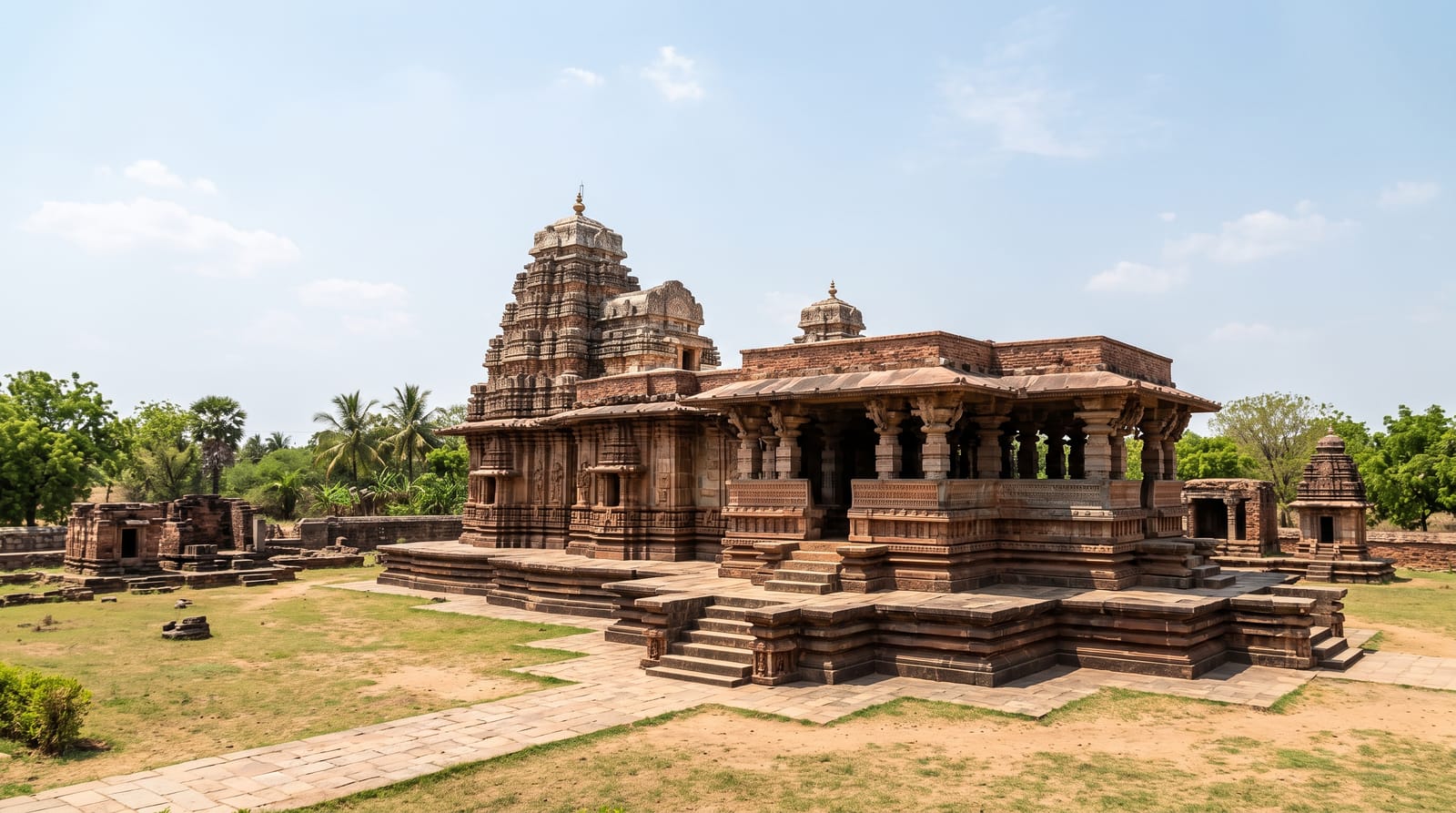
Pathibhara Devi Temple
A goddess shrine on a bare ridge at 3,794 metres in the far east, reached by a hard climb and much revered.
Updated 21 October 2026
Pathibhara Devi stands at 3,794 metres on an exposed ridge north of Taplejung, and it is among the most revered shrines in eastern Nepal, drawing pilgrims from across the country and from Sikkim and Darjeeling who believe the goddess fulfils wishes and that neglecting a promised offering brings misfortune. The shrine itself is small and open, a set of tridents and bells on the bare rock with prayer flags, and animals are sacrificed here. The climb from Suketar takes most of a day on a stone path through rhododendron forest and then open ridge, with the Kanchenjunga massif visible north in clear weather. A cable car has been under construction to shorten the approach, which will change the site considerably.
History
Long before the temple was built, a large rock on the hilltop was revered by the Limbu people, who follow the Mundhum, an ancient tradition rooted in animism and shamanism, and believed the rock held divine power; the temple, at 3,794 metres, is now one of the most important Shaktipeeth in Nepal (Wikipedia, Pathibhara Devi Temple).
What to look for
- The ridge shrine - tridents, bells and flags on bare rock.
- The Kanchenjunga view - the massif north on clear days.
- Pilgrim traffic - people walking up from across the region.
- Rhododendron forest - the middle section of the climb in spring.
When to go
October to November and March to May for the climb and the views. Winter brings snow to the ridge. The main pilgrimage months are in autumn and spring, when the path is busiest.
Things to know
The climb is long, steep and at altitude, taking six to eight hours from Suketar. Animal sacrifice takes place at the shrine. Facilities on the ridge are minimal. Cable car construction has changed the approach and the site's character.
Nearby
Taplejung lies below; the Kanchenjunga trek starts nearby.
Key facts
Source: Wikidata, item Q7144777, read on 18 October 2026.
What to pack for Pathibhara Devi Temple
Chosen from what this place is for. Tap a kit for the full checklist.
- Broken-in walking shoes or boots - Grip and ankle support matter more than looks; never hike in brand-new boots. Find on Amazon
- Warm base layers - Merino or synthetic against the skin - never cotton, which chills when damp. Find on Amazon
- Layers for big temperature swings - Warm sun by day, near-freezing at night, even near the equator. Find on Amazon
- Comfortable walking shoes - Sightseeing means kilometres of pavement and cobbles daily. Find on Amazon
Some links on this page are Amazon affiliate links - if you buy through them we may earn a small commission at no extra cost to you.
All packing kitsPlan your trip
Where to start if Pathibhara Devi Temple is going on the list.
Booking links on this page are affiliate links - if you book through them we may earn a small commission at no extra cost to you. It never changes what we write about a place.
Opening times, ticket prices and seasonal closures change - check the official source before you go: official site.