Tetouan Ensanche
The Spanish new town of the 1920s and 1930s next to Tetouan's medina, and the best art deco street in Morocco.
Updated 29 August 2026
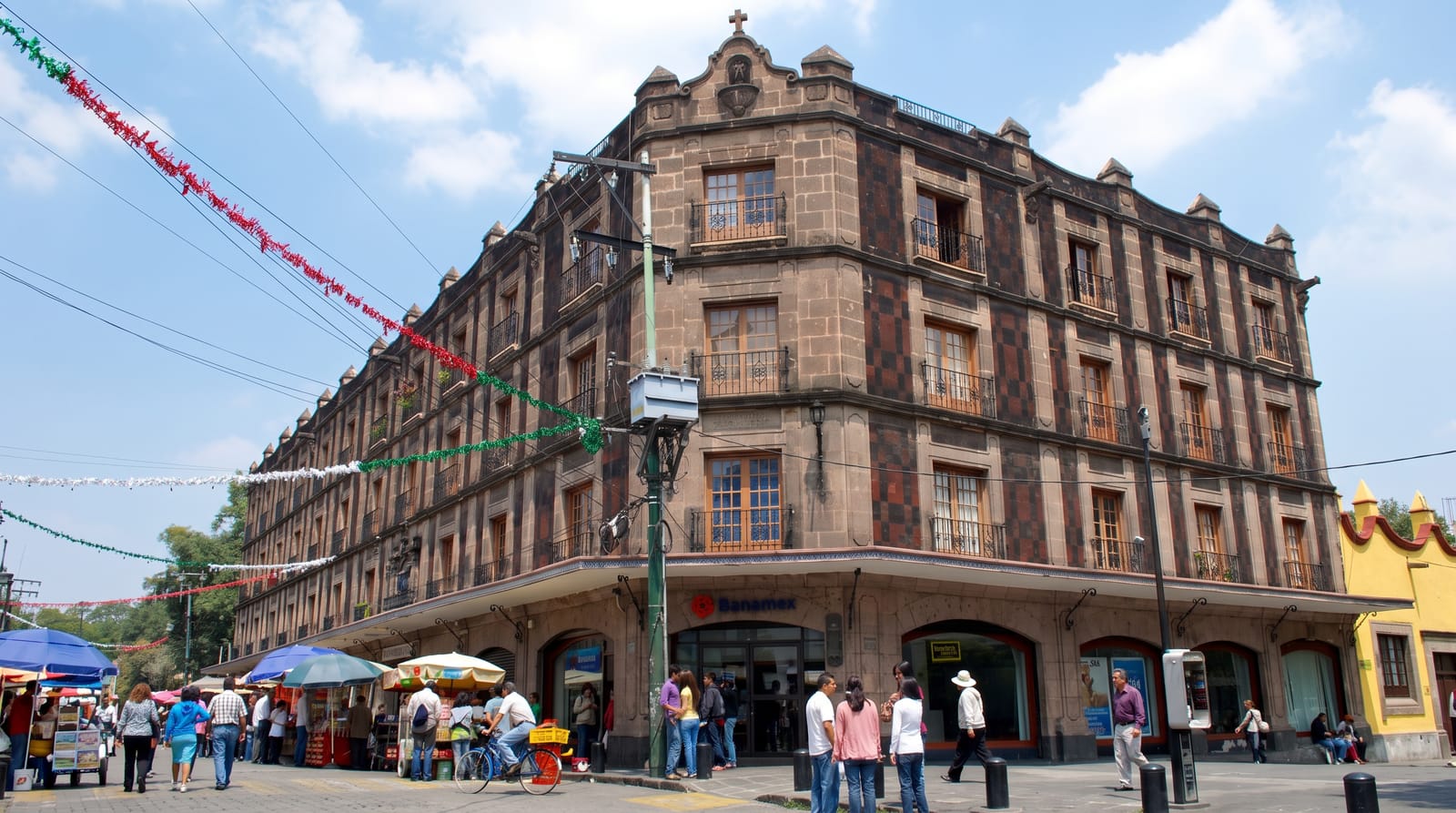
Tetouan was the capital of the Spanish protectorate zone from 1913 and the Spanish built an ensanche - a planned extension - beside the existing medina rather than through it, on a grid centred on the circular Place Moulay el Mehdi. What went up between the 1920s and the 1950s is a coherent quarter of art deco and rationalist apartment blocks and public buildings: rounded corners, horizontal banding, balconies with steel rails, geometric relief, and a lot of white render, along with a cinema, a Catholic church still on the square, and the old Spanish consulate. It is far less altered than the equivalent quarters in Casablanca and can be read as a whole, which is why architectural historians rate it. Many facades are worn and some are decaying, and there is very little interpretation. The UNESCO-listed medina is immediately alongside and the contrast between the two is the interest.
What to look for
- A planned Spanish extension - built beside the medina rather than through it.
- Coherent 1920s to 1950s fabric - deco and rationalist blocks little altered since.
- Place Moulay el Mehdi - a circular square with the church and consulate on it.
- The contrast - a UNESCO medina immediately alongside the new town.
When to go
Spring and autumn. Half a day, walking both quarters.
Things to know
Many facades are worn and some buildings are decaying. There is essentially no interpretation - you are looking at ordinary streets. Interiors are private. Tetouan is more conservative than Tangier; dress accordingly.
Nearby
The Tetouan medina is adjacent; Martil beach is ten kilometres east.
What to pack for Tetouan Ensanche
Chosen from what this place is for. Tap a kit for the full checklist.
- Comfortable walking shoes - Sightseeing means kilometres of pavement and cobbles daily. Find on Amazon
- A slim anti-theft daypack - Zips that close properly; keep it in front in crowds and on transit. Find on Amazon
- A refillable water bottle - Many cities have public fountains; save money and plastic. Find on Amazon
- A light layer + compact umbrella - For museum air-con and a sudden shower. Find on Amazon
Some links on this page are Amazon affiliate links - if you buy through them we may earn a small commission at no extra cost to you.
All packing kitsPlan your trip
Where to start if Tetouan Ensanche is going on the list.
Booking links on this page are affiliate links - if you book through them we may earn a small commission at no extra cost to you. It never changes what we write about a place.
Opening times, ticket prices and seasonal closures change - check the official source before you go: official site.