Martinique Zoo at Habitation Latouche
A zoo laid out through the ruins of a seventeenth-century plantation at Le Carbet.
Updated 2 September 2026
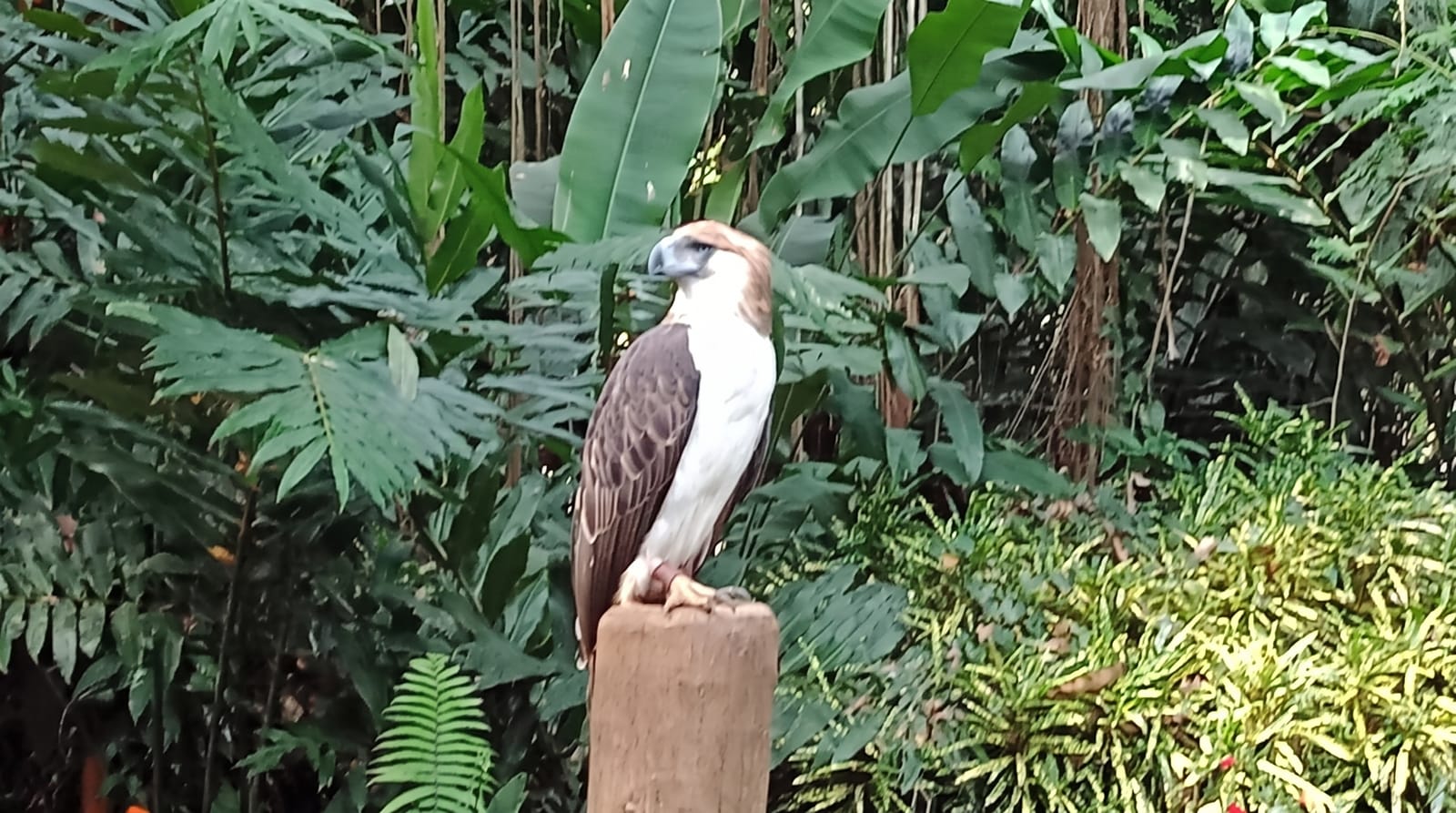
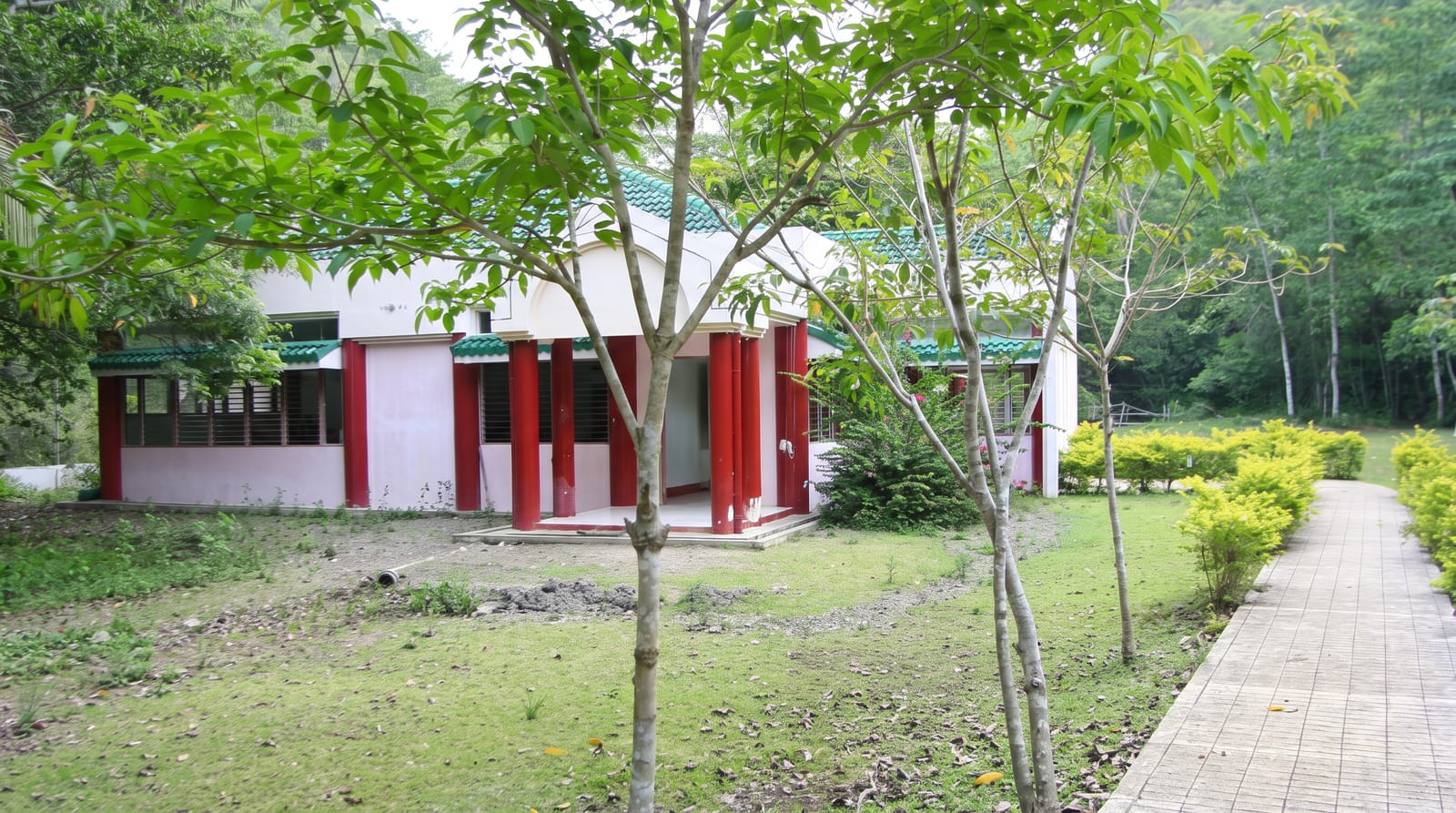
The zoo at Le Carbet is built through the ruins of Habitation Latouche, a sugar estate destroyed by the 1902 eruption, so that the enclosures and paths run among stone walls, arches and the remains of the works with vegetation growing over them. The collection is Caribbean and South American: jaguars, ocelots, monkeys, macaws and reptiles. A canopy walkway crosses part of the site above the ruins and the trees.
The main sights
- The plantation ruins - stone walls and arches of the estate destroyed in 1902.
- The canopy walkway - the raised route over the ruins and the trees.
- The regional collection - Caribbean and South American mammals and birds.
- The overgrown setting - vegetation growing through the old sugar works.
When to go
Year round on daily hours. Mornings are cooler and the animals more active. School holidays are busiest.
Before you go
Enclosures are modest in size and some visitors find them cramped. The site is hilly with steps and is hard work in the heat. Prices are high for the scale of the collection.
Nearby
Saint-Pierre is north, and Le Carbet is on the coast below.
What to pack for Martinique Zoo at Habitation Latouche
Chosen from what this place is for. Tap a kit for the full checklist.
- Comfortable walking shoes - Sightseeing means kilometres of pavement and cobbles daily. Find on Amazon
- A slim anti-theft daypack - Zips that close properly; keep it in front in crowds and on transit. Find on Amazon
- A refillable water bottle - Many cities have public fountains; save money and plastic. Find on Amazon
- A light layer + compact umbrella - For museum air-con and a sudden shower. Find on Amazon
Some links on this page are Amazon affiliate links - if you buy through them we may earn a small commission at no extra cost to you.
All packing kitsPlan your trip
Where to start if Martinique Zoo at Habitation Latouche is going on the list.
Booking links on this page are affiliate links - if you book through them we may earn a small commission at no extra cost to you. It never changes what we write about a place.
Opening times, ticket prices and seasonal closures change - check the official source before you go: official site.