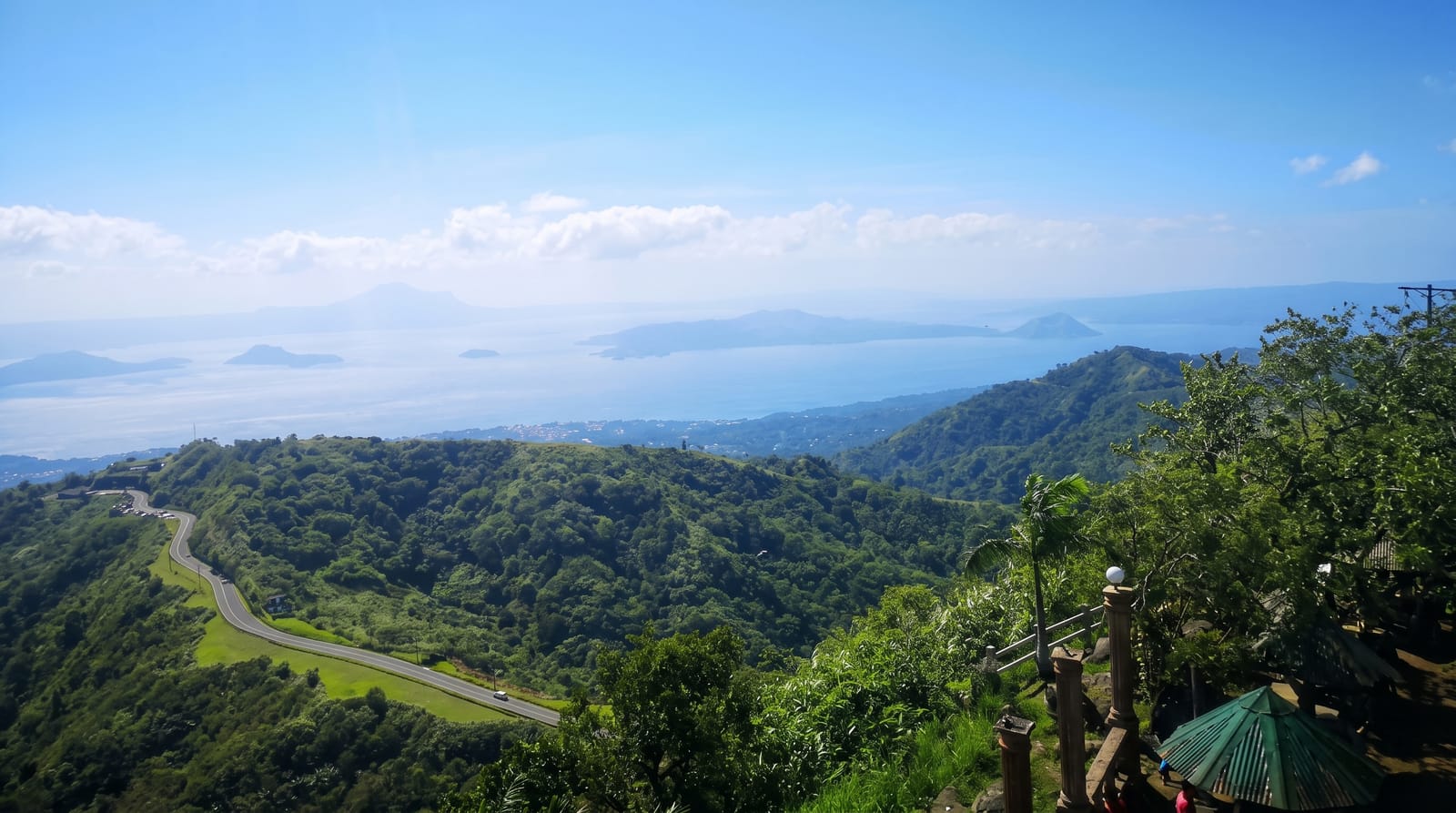
Diamond Rock
A 175-metre volcanic rock off the south coast that the Royal Navy commissioned as a warship in 1804, seen from Le Diamant and Morne Larcher.
Updated 21 October 2026
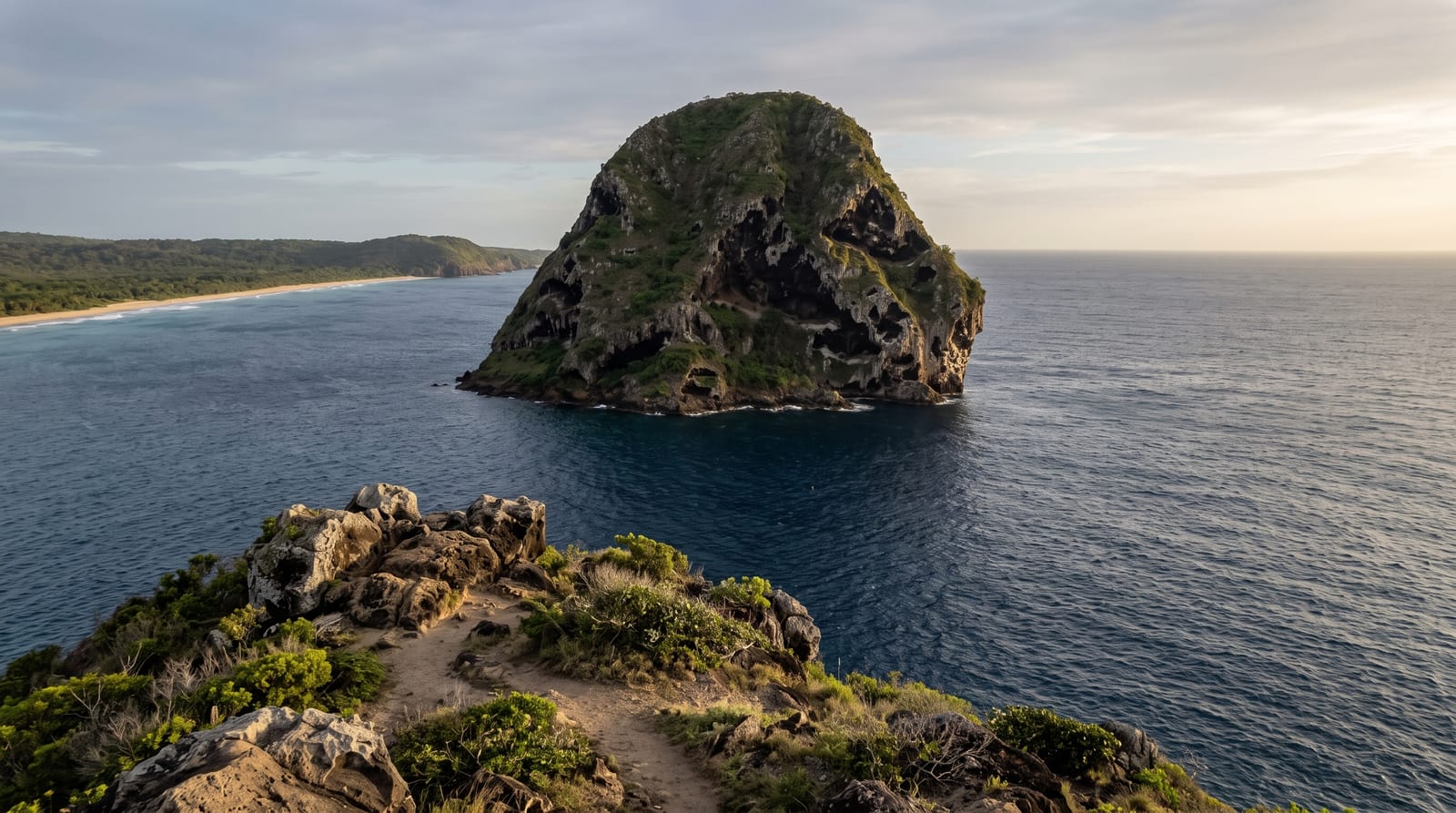
AI illustration
Diamond Rock, a basalt volcanic plug, rises 175 metres out of the channel off the south coast. In 1804 the Royal Navy put cannon on it and commissioned the islet as a sloop-of-war, HMS Diamond Rock, which harassed French shipping for seventeen months until a French siege retook it; local legend credits a cargo of rum with helping. Today the rock is a seabird colony and a well-known dive site, and visitors see it from the shore: Le Diamant's long beach, the Morne Larcher headland walk with its panorama, and the white statues of the Anse Cafard memorial nearby.
What you'll find
- The rock itself - the 175-metre stack in the channel.
- The Morne Larcher walk - the headland climb to the panorama.
- Le Diamant beach - the long southern strand facing the rock.
- The Anse Cafard memorial - the white statues by the shore.
When to go
December to May for clear channel views and the driest headland path; sunset lights the rock from the beach's western end. Dive trips run on sea state - book with the Diamant clubs.
Things to know
Landing on the rock is not a tourist option - it is viewed, dived or circled by boat. The Morne Larcher trail is steep and slick in shade. Diamant beach's swimming varies with swell - respect the flags and locals' judgement.
Nearby
Les Anses-d'Arlet's coves, Sainte-Luce and the south's rum stops.
Key facts
Source: Wikidata, item Q262662, read on 18 October 2026.
What to pack for Diamond Rock
Chosen from what this place is for. Tap a kit for the full checklist.
- Broken-in walking shoes or boots - Grip and ankle support matter more than looks; never hike in brand-new boots. Find on Amazon
- Reef-safe sunscreen - High SPF that will not bleach the coral you are swimming over. Find on Amazon
- Spare batteries + cards - Cold and long shoots drain power; never run out at the good light. Find on Amazon
- Layers + a waterproof shell - Mountain weather turns fast; a packable rain jacket saves the day. Find on Amazon
Some links on this page are Amazon affiliate links - if you buy through them we may earn a small commission at no extra cost to you.
All packing kitsPlan your trip
Where to start if Diamond Rock is going on the list.
Booking links on this page are affiliate links - if you book through them we may earn a small commission at no extra cost to you. It never changes what we write about a place.
Opening times, ticket prices and seasonal closures change - check the official source before you go: official site.