Timbuktu
The fabled city at the desert's edge - legendary Timbuktu, a UNESCO World Heritage site once a golden centre of trade, learning and Islamic scholarship, home to ancient earthen mosques and priceless manuscripts where the Sahara meets the Niger.
Updated 19 October 2026

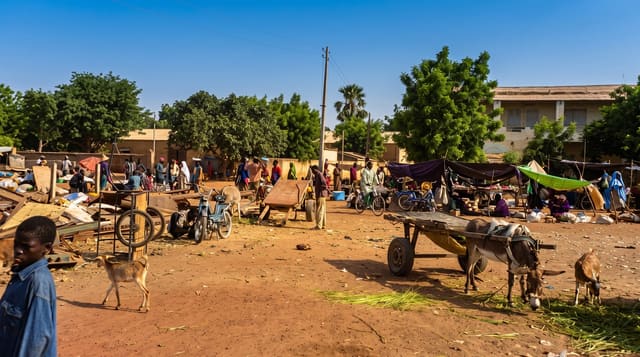
AI illustration
UNESCO World Heritage
Timbuktu, on the southern edge of the Sahara where the desert meets the great bend of the Niger, is one of the most legendary place-names on earth, a byword for remoteness and, in its golden age, for fabulous wealth and learning. A UNESCO World Heritage site, this fabled trans-Saharan trading city grew rich on gold, salt and books, becoming a renowned centre of Islamic scholarship whose universities and libraries held hundreds of thousands of precious manuscripts. Its three great ancient earthen mosques, Djingareyber, Sankore and Sidi Yahia, still rise from the sand, and its old quarters, scholarly heritage and desert-port history make Timbuktu a place of extraordinary romance and significance.
History
Timbuktu began as a seasonal settlement and became permanent early in the 12th century, and after a shift in trade routes, especially after Mansa Musa's visit around 1325, it grew rich on salt, gold and ivory, became part of the Mali Empire early in the 14th century and reached its golden age under it. Mansa Musa drew scholars from across the Islamic world, the Djinguereber mosque was built under him in 1327, and with the madrasas of Djinguereber, Sankoré and Sidi Yahya the city became a centre of learning in history, law, science and medicine, while its wealth also came from the trans-Saharan slave trade. Europeans reached it late, which gave it an aura of mystery, and the French explorer René Caillié described it as a mass of ill-looking houses built of earth. The French took over in 1893, parts of the historic centre became a World Heritage Site in December 1988, and in 2012 it returned to the danger list (Wikipedia, Timbuktu).
What's there
- Djingareyber Mosque - the great ancient earthen mosque.
- Sankore Mosque - the historic mosque and centre of learning.
- The manuscripts - the priceless collections of ancient books.
- The old quarters - the historic sand-swept streets and houses.
When to go
November to February, the cool dry season, is the most comfortable in this desert-edge city, avoiding the fierce heat; the mild winter is the time to explore the ancient mosques, libraries and old quarters. The earthen buildings glow beautifully in the low desert light.
Good to know
Timbuktu is genuinely remote, on the edge of the Sahara and far from the coast, so it takes real effort to reach, and its fame rests as much on romance and history as on grand monuments, its treasures being its ancient mosques and priceless manuscripts. As one of the most legendary and evocative cities on earth, a UNESCO World Heritage centre of trade and learning, though, Timbuktu is a place of extraordinary resonance.
Nearby
The Niger river and the surrounding Saharan fringe lie around the city.
Key facts
Source: Wikidata, item Q9427, read on 18 October 2026.
What to pack for Timbuktu
Chosen from what this place is for. Tap a kit for the full checklist.
- Loose, light, long clothing - Covering up beats bare skin in the desert - and locals dress this way for a reason. Find on Amazon
- Comfortable walking shoes - Sightseeing means kilometres of pavement and cobbles daily. Find on Amazon
- Modest clothing - Shoulders and knees covered - the single most common requirement. Find on Amazon
- A wide-brim hat + sunglasses - Shade for your face and eyes where there is none overhead. Find on Amazon
Some links on this page are Amazon affiliate links - if you buy through them we may earn a small commission at no extra cost to you.
All packing kitsPlan your trip
Where to start if Timbuktu is going on the list.
Booking links on this page are affiliate links - if you book through them we may earn a small commission at no extra cost to you. It never changes what we write about a place.
Opening times, ticket prices and seasonal closures change - check the official source before you go: official site.