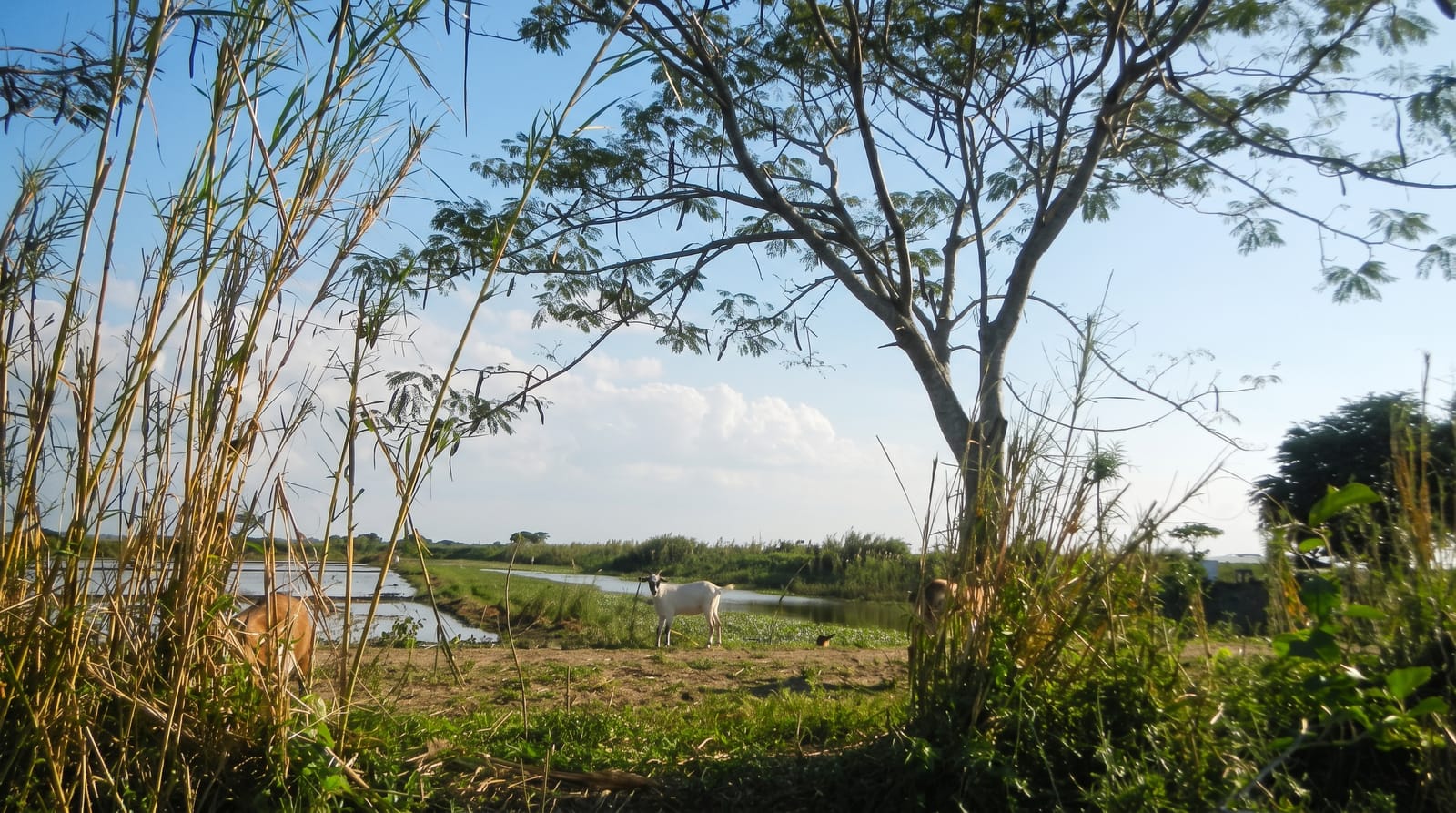
Kuching Wetlands National Park
Mangrove estuaries half an hour from a state capital, holding a resident population of Irrawaddy dolphins.
Updated 12 October 2026
The park covers about sixty-six square kilometres of mangrove between the Sibu Laut and Salak rivers west of Kuching, gazetted in 2002 and listed as a Ramsar site - a system of tidal creeks, mudflats and mangrove forest with no dry land infrastructure at all, so the whole visit is by boat. The draw is cetaceans: a resident population of Irrawaddy dolphins lives in the estuary, along with finless porpoises and Indo-Pacific humpback dolphins, and afternoon boat trips out of Santubong look for them - they are shy, surface briefly and do not bow-ride, so this is not a dolphin show and sightings are a matter of luck and patience. Proboscis monkeys, crocodiles and a long bird list are in the mangrove. Boat operators are licensed and there are approach rules; the population is small and disturbance is a genuine concern.
The landscape
- Irrawaddy dolphins - a resident estuary population, shy and briefly surfacing.
- Mangrove creeks by boat - the park has no land access at all.
- Proboscis monkeys and crocodiles - in the mangrove along the channels.
- A Ramsar wetland - listed for the tidal forest and its species.
When to go
All year, afternoon. Half a day.
Before you go
Dolphins are not guaranteed and do not perform - they surface briefly and vanish. Use licensed operators who keep the approach distance; the population is small. Trips are cancelled in rough weather.
Nearby
Santubong and Bako National Park are north-east; Kuching is east.
Key facts
Source: Wikidata, item Q6441519, read on 18 October 2026.
What to pack for Kuching Wetlands National Park
Chosen from what this place is for. Tap a kit for the full checklist.
- Broken-in walking shoes or boots - Grip and ankle support matter more than looks; never hike in brand-new boots. Find on Amazon
- Binoculars - The single best wildlife tool - even a compact pair transforms a sighting. Find on Amazon
- Layers + a waterproof shell - Mountain weather turns fast; a packable rain jacket saves the day. Find on Amazon
- A zoom camera or long lens - Animals rarely come close; reach beats megapixels. Find on Amazon
Some links on this page are Amazon affiliate links - if you buy through them we may earn a small commission at no extra cost to you.
All packing kitsPlan your trip
Where to start if Kuching Wetlands National Park is going on the list.
Booking links on this page are affiliate links - if you book through them we may earn a small commission at no extra cost to you. It never changes what we write about a place.
Opening times, ticket prices and seasonal closures change - check the official source before you go: official site.