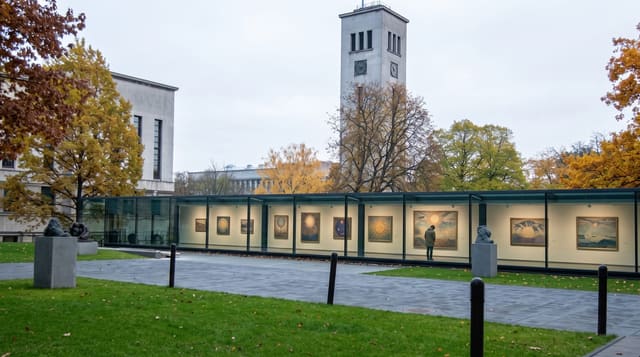
Sugihara House
The Kaunas house where a Japanese consul wrote thousands of visas that let Jewish refugees escape the Holocaust - a small museum to a great rescue.
Updated 1 September 2026
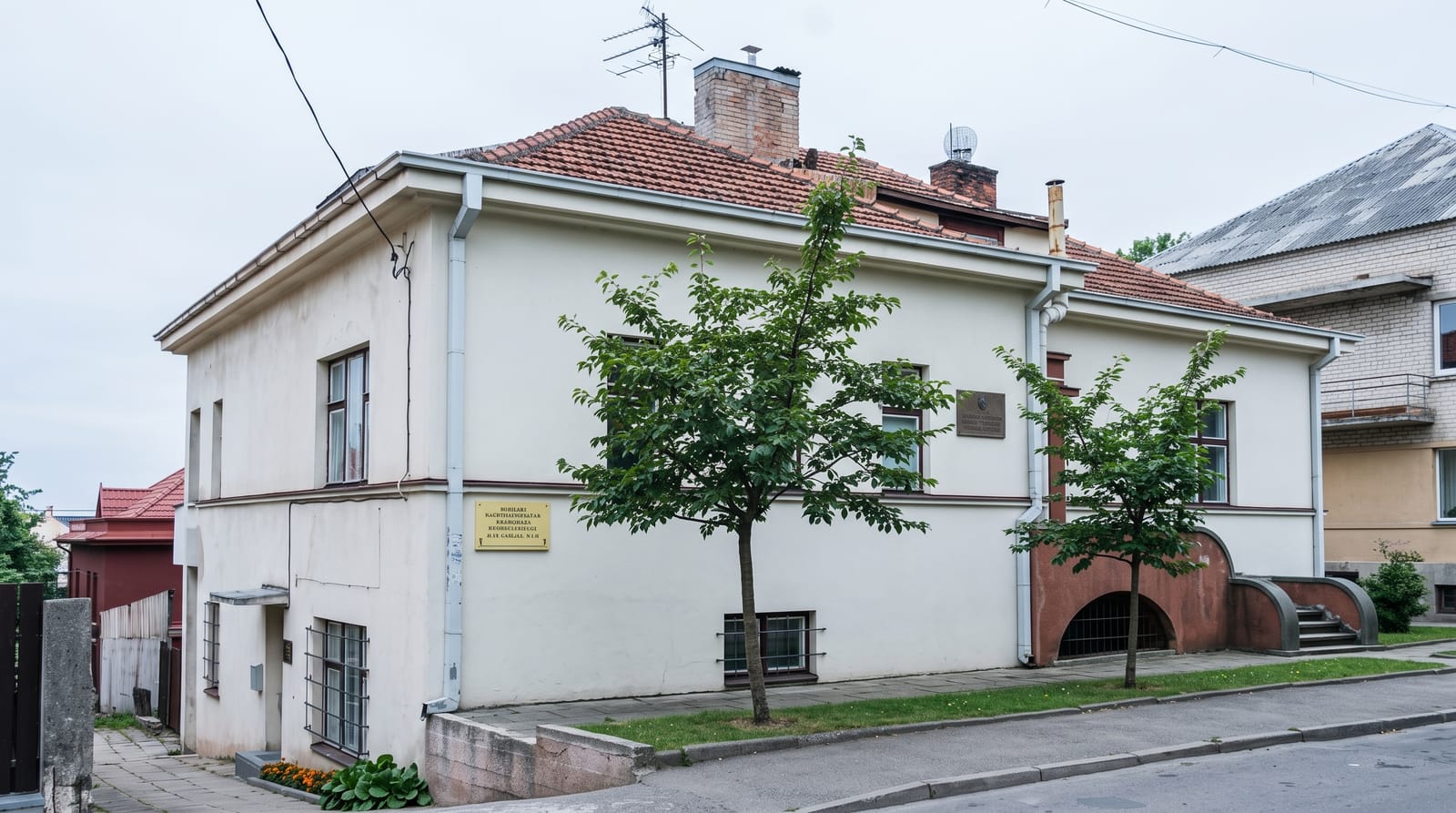
AI illustration
In 1940, from this house that served as the Japanese consulate, Chiune Sugihara wrote transit visas by hand, day and night, against his own government's orders, allowing thousands of Jewish refugees to flee across the Soviet Union to safety. The small museum in his former office and residence tells the story of what became known as the visas for life.
What you'll find
- Sugihara's office - the room where the visas were written.
- The visa story - documents and testimony of the refugees he saved.
- The residence - the consul's home preserved as a memorial.
- The wider history - the fate of Lithuania's Jewish community around it.
When to go
Year-round; an indoor visit suited to any weather, and a natural companion to the Ninth Fort for the fuller history. Quiet and reflective on most days.
Things to know
It is small, a single house and a focused story, so it is a short but moving visit rather than a large museum. Its power is in the human account rather than grand displays. Pairing it with the Ninth Fort gives the fuller, harder picture of the era.
Nearby
Central Kaunas and its modernist streets are close; the Ninth Fort memorial tells the darker side of the same years.
What to pack for Sugihara House
Chosen from what this place is for. Tap a kit for the full checklist.
- Comfortable walking shoes - Sightseeing means kilometres of pavement and cobbles daily. Find on Amazon
- A slim anti-theft daypack - Zips that close properly; keep it in front in crowds and on transit. Find on Amazon
- A refillable water bottle - Many cities have public fountains; save money and plastic. Find on Amazon
- A light layer + compact umbrella - For museum air-con and a sudden shower. Find on Amazon
Some links on this page are Amazon affiliate links - if you buy through them we may earn a small commission at no extra cost to you.
All packing kitsPlan your trip
Where to start if Sugihara House is going on the list.
Booking links on this page are affiliate links - if you book through them we may earn a small commission at no extra cost to you. It never changes what we write about a place.
Opening times, ticket prices and seasonal closures change - check the official source before you go: official site.