Dieveniškės Regional Park
A protected pocket of old villages and wooden farmsteads in the far southeast, almost surrounded by Belarus.
Updated 21 October 2026
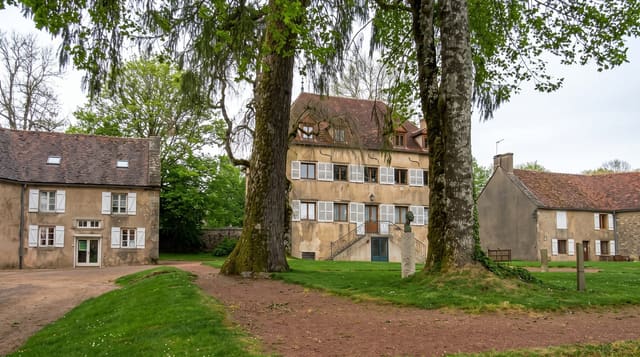
Dieveniškės sits in a narrow salient of Lithuanian territory pushing into Belarus, surrounded on three sides by the border, and the isolation preserved something: villages of timber houses with carved window frames, farmsteads laid out in the old street-village pattern, small wooden churches and roadside crosses, and a way of building and farming that changed less here than elsewhere. The regional park was created to protect that as a landscape rather than as museum pieces, so the villages are lived in. Žižmai, Rimašiai and other villages can be walked between. The population is mixed Lithuanian, Polish and Belarusian. It is a quiet corner that very few visitors reach and it repays slow travel more than a quick look.
The main sights
- Timber farmsteads - old houses with carved frames in working villages.
- Street villages - the historic settlement pattern still legible.
- Wooden churches and crosses - the small religious buildings of the area.
- Border country - the salient nearly enclosed by the frontier.
When to go
May to September for walking and for the villages at their best. Autumn is quiet and colourful. The border runs close on three sides, so staying on the Lithuanian side of unmarked tracks matters.
Things to know
There is almost nothing organised for visitors: no centre, few signs, and limited accommodation or food. Villages are private property and photographing houses and people needs courtesy. A car is effectively necessary. The border is close and should be respected.
Nearby
Šalčininkai lies northwest; Vilnius is beyond it.
Key facts
Source: Wikidata, item Q5275229, read on 18 October 2026.
What to pack for Dieveniškės Regional Park
Chosen from what this place is for. Tap a kit for the full checklist.
- Comfortable walking shoes - Sightseeing means kilometres of pavement and cobbles daily. Find on Amazon
- A slim anti-theft daypack - Zips that close properly; keep it in front in crowds and on transit. Find on Amazon
- A refillable water bottle - Many cities have public fountains; save money and plastic. Find on Amazon
- A light layer + compact umbrella - For museum air-con and a sudden shower. Find on Amazon
Some links on this page are Amazon affiliate links - if you buy through them we may earn a small commission at no extra cost to you.
All packing kitsPlan your trip
Where to start if Dieveniškės Regional Park is going on the list.
Booking links on this page are affiliate links - if you book through them we may earn a small commission at no extra cost to you. It never changes what we write about a place.
Opening times, ticket prices and seasonal closures change - check the official source before you go: official site.