Hyrax Hill Prehistoric Site
A hill on Nakuru's edge with Neolithic and Iron Age settlement remains, burial mounds and a small museum.
Updated 20 October 2026
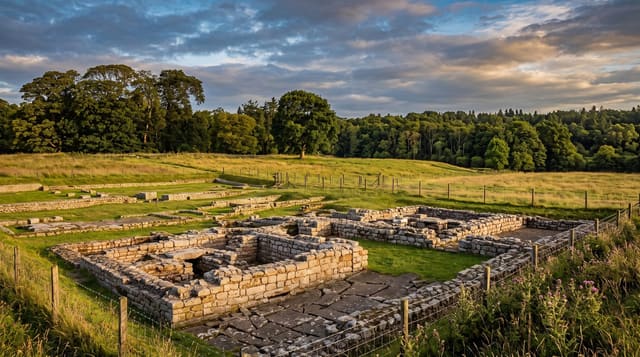
Hyrax Hill takes its name from the rock hyraxes that live in its crevices, and it was excavated by Mary Leakey from 1937 onwards, revealing occupation across several periods: a Neolithic settlement with burials, an Iron Age village with hut circles and stone enclosures, and a set of pits including a bao-like game board cut into the rock. Some burials contained ornaments and pottery that shed light on the pastoral Neolithic communities of the Rift. The hill overlooks Lake Nakuru and would have stood on the lake shore when levels were higher, which explains the settlement. A small museum in a farmhouse at the base holds finds from the excavations, and marked paths lead up the hill past the excavated areas, with the hyraxes still very much present on the rocks.
History
Mary Leakey began excavating here in 1937, finding at Site I stone enclosures and burials of the late Iron Age above a much older Late Stone Age layer, and in 1938 she excavated Site II (Wikipedia, Hyrax Hill Prehistoric Site and Museum).
Highlights
- Excavated settlement areas - Neolithic and Iron Age remains on the hill.
- Burial mounds and pits - the graves and features Leakey uncovered.
- The site museum - pottery, tools and ornaments from the digs.
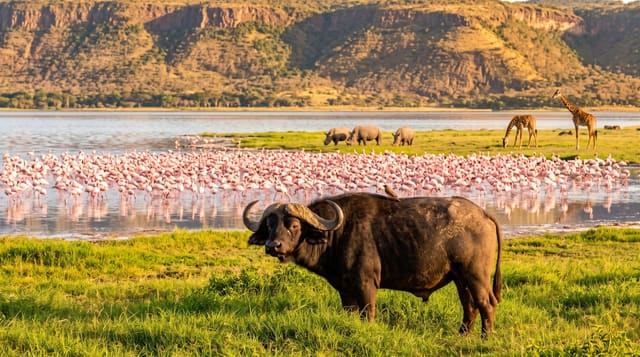
- Rock hyraxes - the animals that gave the hill its name.
When to go
Year-round; Nakuru's highland climate is mild. Mornings are best for the walk up and views over the lake. The museum keeps standard hours and closes on some public holidays.
What to expect
The remains are low walls, pits and outlines that need the museum and a guide to make sense of. The museum is small and dated in presentation. The hill is short but the path is uneven. An hour or two covers everything.
Nearby
Lake Nakuru National Park is adjacent; Menengai crater rises north of the town.
What to pack for Hyrax Hill Prehistoric Site
Chosen from what this place is for. Tap a kit for the full checklist.
- Comfortable walking shoes - Sightseeing means kilometres of pavement and cobbles daily. Find on Amazon
- Shelter suited to the place - Tent, tarp or hut booking - match it to the terrain and rules. Find on Amazon
- A slim anti-theft daypack - Zips that close properly; keep it in front in crowds and on transit. Find on Amazon
- A warm sleeping bag + mat - Rated a little colder than you expect the nights to be. Find on Amazon
Some links on this page are Amazon affiliate links - if you buy through them we may earn a small commission at no extra cost to you.
All packing kitsPlan your trip
Where to start if Hyrax Hill Prehistoric Site is going on the list.
Booking links on this page are affiliate links - if you book through them we may earn a small commission at no extra cost to you. It never changes what we write about a place.
Opening times, ticket prices and seasonal closures change - check the official source before you go: official site.