Pella
A layered site in the Jordan Valley occupied almost continuously for six thousand years.
Updated 3 September 2026
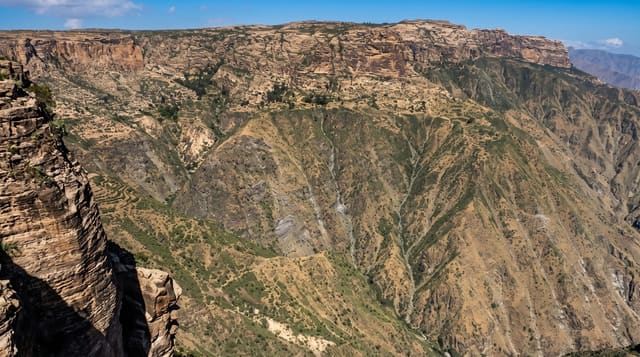
Pella lies on the eastern edge of the Jordan Valley where springs come out of the hills, and the depth of occupation is what makes it: Bronze Age temples, a Hellenistic and Roman town of the Decapolis with a theatre and colonnaded street, Byzantine churches on three separate terraces, and Umayyad houses destroyed by the earthquake of 749. Very little has been reconstructed and the ruins sit in open country with the valley below.
Highlights
- The Byzantine churches - three separate church complexes on the terraces.
- The Bronze Age temple - the excavated sanctuary from the second millennium BC.
- The Umayyad houses - the eighth-century quarter destroyed in the 749 earthquake.
- The valley view - the Jordan Valley spread out below the site.
When to go
March to May and October to November are the comfortable months. The valley is extremely hot in summer. Spring brings green ground cover.
What to expect
Little is reconstructed and the site takes some reading. There is almost no shade and the valley heat is severe outside the cool months. Interpretation is thin.
Nearby
Umm Qais is north, and Irbid is east.
What to pack for Pella
Chosen from what this place is for. Tap a kit for the full checklist.
- Comfortable walking shoes - Sightseeing means kilometres of pavement and cobbles daily. Find on Amazon
- Modest clothing - Shoulders and knees covered - the single most common requirement. Find on Amazon
- A slim anti-theft daypack - Zips that close properly; keep it in front in crowds and on transit. Find on Amazon
- A scarf or shawl - To cover the head or shoulders on entry; women especially at mosques. Find on Amazon
Some links on this page are Amazon affiliate links - if you buy through them we may earn a small commission at no extra cost to you.
All packing kitsPlan your trip
Where to start if Pella is going on the list.
Booking links on this page are affiliate links - if you book through them we may earn a small commission at no extra cost to you. It never changes what we write about a place.
Opening times, ticket prices and seasonal closures change - check the official source before you go: official site.