Elba
The island where Napoleon ruled for three hundred days, mined for iron since the Etruscans.
Updated 19 October 2026
AI illustration
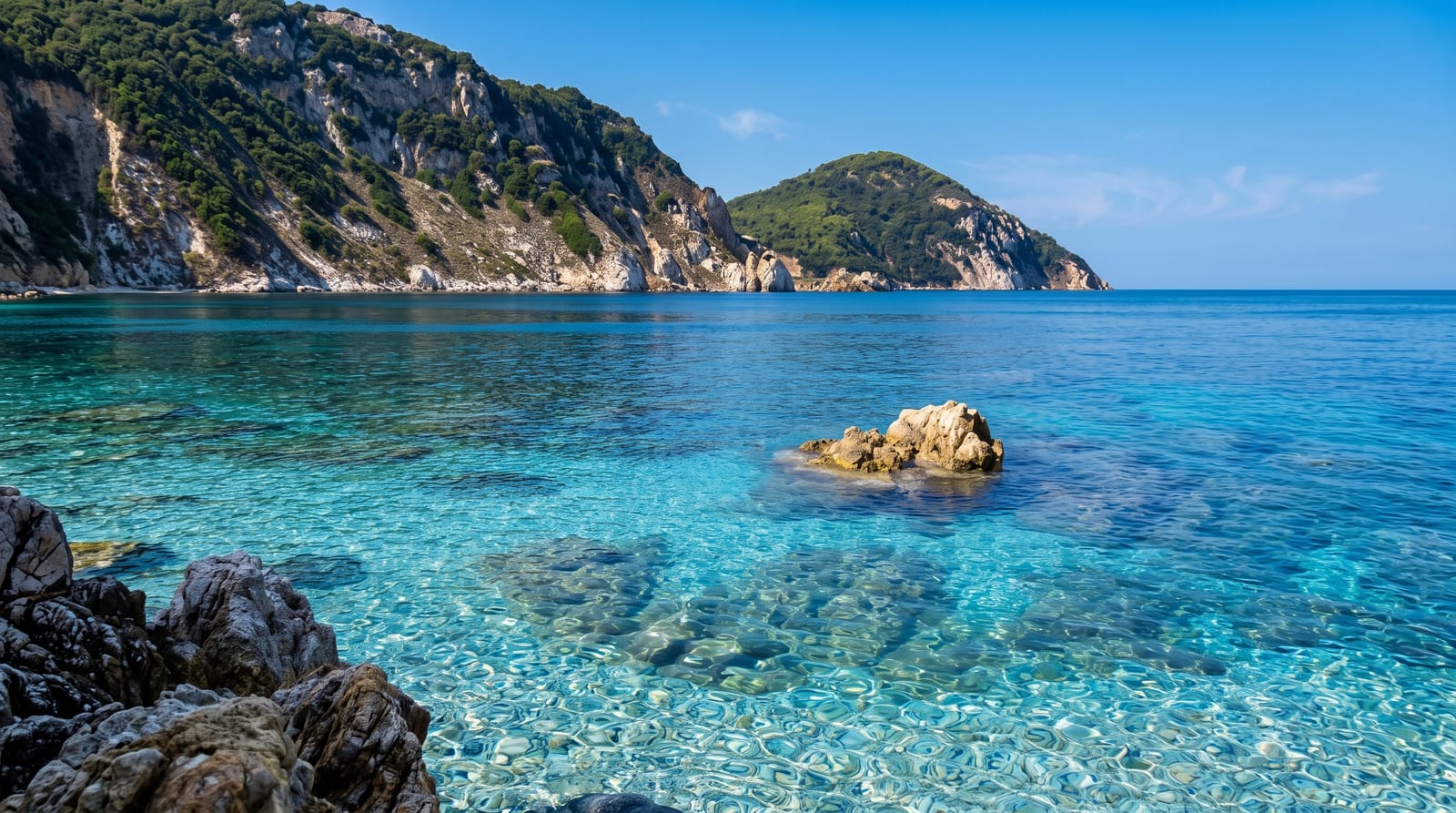
Elba is the third largest Italian island and the largest of the Tuscan archipelago, about two hundred and twenty square kilometres, with more than a hundred and fifty beaches ranging from white sand to black iron-rich shingle. Its iron ore was worked by the Etruscans and Romans and mined industrially until 1981; the mineral museums and old workings on the eastern side reflect that. Napoleon was exiled here in 1814 and given sovereignty over the island, where he reorganised the administration, roads and mines before escaping after about three hundred days. His two residences, the Palazzina dei Mulini and Villa San Martino, are open.
History
The island lies 10 km from Piombino on the mainland and is divided into seven municipalities, with a permanent population of 31,362 that grows greatly in summer; it is famous as the place of Napoleon's first exile, from 1814 to 1815 (Wikipedia, Elba).
What you'll find
- Napoleon's residences - the town palazzina and the country villa he used.
- The iron mines - Etruscan-era workings mined until 1981, now visitable.
- The varied beaches - white sand, pebble and dark iron-rich shingle.
- Monte Capanne - the island's summit, reached by an open cable basket.
When to go
May to September; ferries and hotels reduce sharply from November to March. August is the busiest and most expensive month by a wide margin.
Things to know
August ferry and accommodation prices are high and booking is essential with a car. The Capanne cable car uses open standing baskets that not everyone will want.
Nearby
Capraia and Pianosa lie offshore; Piombino is on the mainland.
Key facts
Source: Wikidata, item Q45328, read on 18 October 2026.
What to pack for Elba
Chosen from what this place is for. Tap a kit for the full checklist.
- Reef-safe sunscreen - High SPF that will not bleach the coral you are swimming over. Find on Amazon
- Quick-dry towel - A microfibre towel packs small and dries in minutes. Find on Amazon
- Water shoes - Protect your feet on rocky entries, hot sand and sea-urchin spines. Find on Amazon
- Dry bag - Keeps phone, cash and keys safe while you are in the water. Find on Amazon
Some links on this page are Amazon affiliate links - if you buy through them we may earn a small commission at no extra cost to you.
All packing kitsPlan your trip
Where to start if Elba is going on the list.
Booking links on this page are affiliate links - if you book through them we may earn a small commission at no extra cost to you. It never changes what we write about a place.
Opening times, ticket prices and seasonal closures change - check the official source before you go: official site.