Roopkund Lake
A small glacial lake at 5,000 metres holding hundreds of human skeletons, whose origins DNA has complicated.
Updated 4 September 2026

AI illustration
Roopkund is a shallow tarn at about 5,020 metres that holds the remains of several hundred people, exposed when the ice melts each summer, found by a forest ranger in 1942. The long-standing explanation was a single disaster, a hailstorm killing a party of pilgrims around the ninth century. Genetic work published in 2019 complicated that: the remains fall into distinct groups, one of South Asian ancestry dating to around the seventh to tenth centuries and another of eastern Mediterranean ancestry dating to roughly the eighteenth, meaning the bones accumulated over a thousand years from unrelated events. Access has been restricted in recent years for preservation.
What you'll find
- The lake - a small tarn below a ridge at just over 5,000 metres.
- The remains - bones exposed around the shore as ice melts in summer.
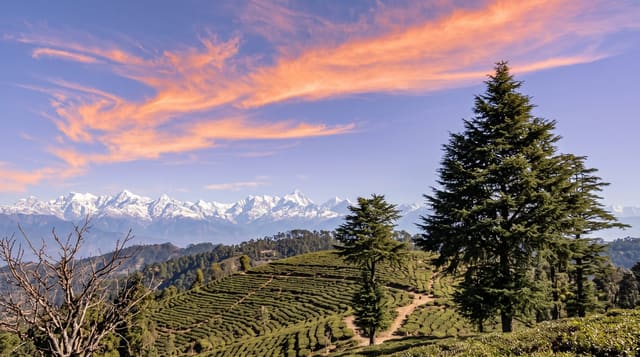
- The Bedni and Ali bugyals - vast high meadows crossed on the way up.
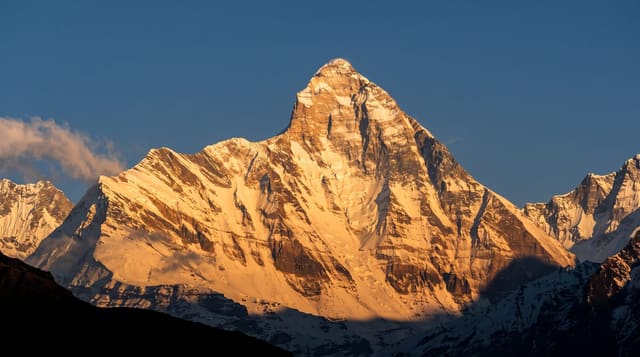
- Trisul and Nanda Ghunti - peaks standing above the route.
When to go
May to June and September to October when the route is passable; the monsoon between is dangerous and winter closes it. Access rules have changed repeatedly and must be checked before planning.
Good to know
Access has been restricted or closed at times to protect the site, and rules change; verify current status before committing. The trek reaches 5,000 metres and altitude sickness is a genuine risk. Removing or handling remains is prohibited.
Nearby
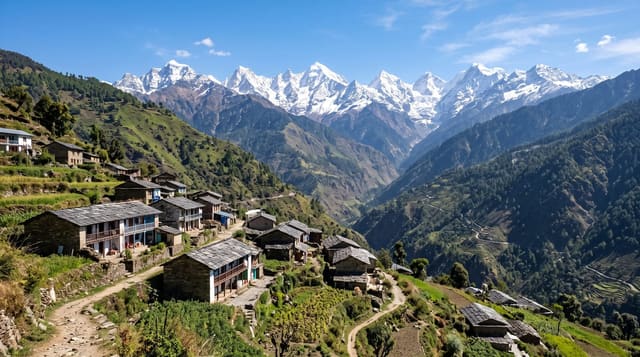
The Bedni Bugyal meadows are on the route; Lohajung is the road head.
Key facts
Source: Wikidata, item Q1112110, read on 18 October 2026.
What to pack for Roopkund Lake
Chosen from what this place is for. Tap a kit for the full checklist.
- Broken-in walking shoes or boots - Grip and ankle support matter more than looks; never hike in brand-new boots. Find on Amazon
- Strong insect repellent - DEET or picaridin; the jungle is where bites and disease risk are highest. Find on Amazon
- Modest clothing - Shoulders and knees covered - the single most common requirement. Find on Amazon
- Layers + a waterproof shell - Mountain weather turns fast; a packable rain jacket saves the day. Find on Amazon
Some links on this page are Amazon affiliate links - if you buy through them we may earn a small commission at no extra cost to you.
All packing kitsPlan your trip
Where to start if Roopkund Lake is going on the list.
Booking links on this page are affiliate links - if you book through them we may earn a small commission at no extra cost to you. It never changes what we write about a place.
Opening times, ticket prices and seasonal closures change - check the official source before you go: official site.