Kullu Valley
An orchard valley along the Beas, whose Dussehra festival gathers hundreds of village deities in one ground.
Updated 4 September 2026

AI illustration
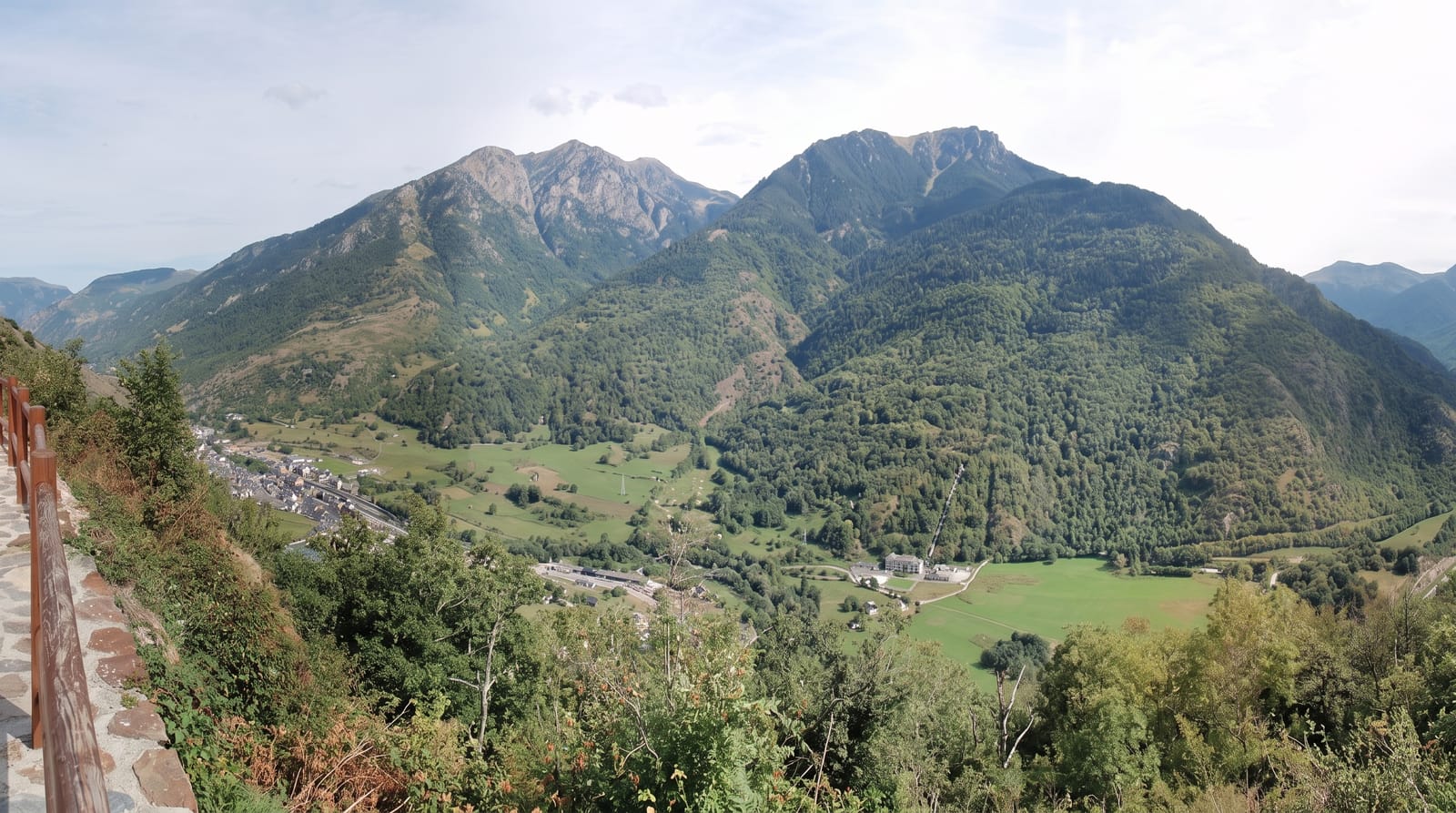
The Kullu valley runs along the Beas between Mandi and Manali, planted with apple orchards on the terraces and known as the valley of the gods for the density of village deities, each with a temple, a palanquin and a set of attendants. At Dussehra in October, when the rest of India ends its festival, Kullu begins one: hundreds of these deities are carried in from villages across the valley in decorated palanquins with drums and horns, assembled on the Dhalpur maidan for a week, and taken home again. Kullu shawls and Himachali caps are woven here, and the valley is a base for the surrounding treks.
What to look for
- The Dussehra gathering - hundreds of village deities carried into one ground.
- The apple orchards - terraced plantings along the valley sides.
- The weaving - Kullu shawls and caps made in valley workshops.
- The village temples - timber and stone shrines with their own deities.
When to go
March to June and September to November; Dussehra falls in October and is the reason to time a visit, though accommodation fills. Apple harvest runs from late summer. The monsoon brings landslides.
Practical notes
Dussehra crowds are enormous and the valley road jams completely. Outside the festival, Kullu town itself is unremarkable and most visitors continue to Manali. Shawl shops vary widely in quality.
Nearby
Manali lies north; the Parvati valley branches east.
Key facts
Source: Wikidata, item Q42564069, read on 18 October 2026.
What to pack for Kullu Valley
Chosen from what this place is for. Tap a kit for the full checklist.
- Broken-in walking shoes or boots - Grip and ankle support matter more than looks; never hike in brand-new boots. Find on Amazon
- Strong insect repellent - DEET or picaridin; the jungle is where bites and disease risk are highest. Find on Amazon
- Comfortable walking shoes - Sightseeing means kilometres of pavement and cobbles daily. Find on Amazon
- Modest clothing - Shoulders and knees covered - the single most common requirement. Find on Amazon
Some links on this page are Amazon affiliate links - if you buy through them we may earn a small commission at no extra cost to you.
All packing kitsPlan your trip
Where to start if Kullu Valley is going on the list.
Booking links on this page are affiliate links - if you book through them we may earn a small commission at no extra cost to you. It never changes what we write about a place.
Opening times, ticket prices and seasonal closures change - check the official source before you go: official site.