Khonoma
An Angami village that banned hunting and logging in its own forest and turned to conservation instead.
Updated 19 October 2026
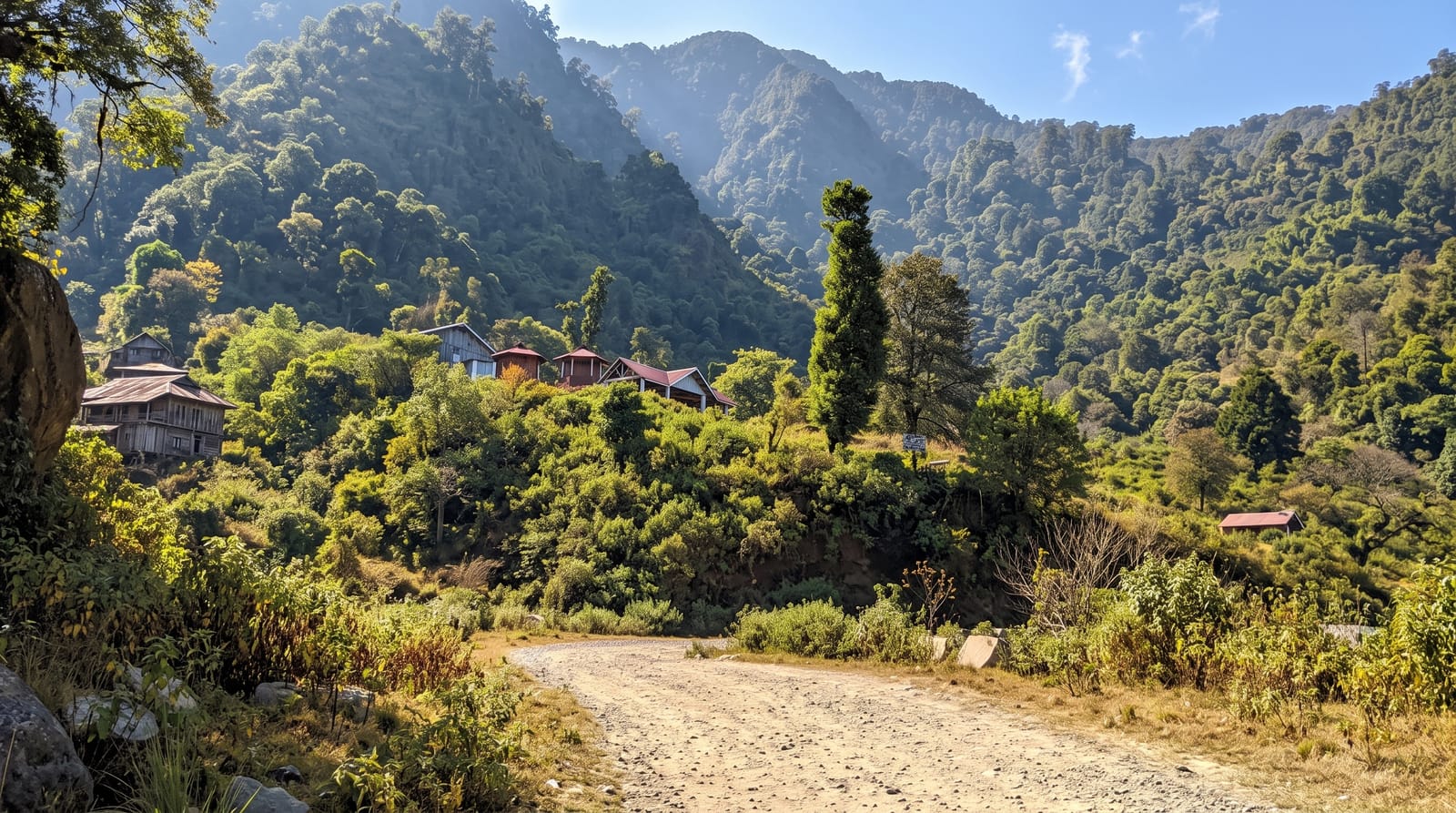
AI illustration
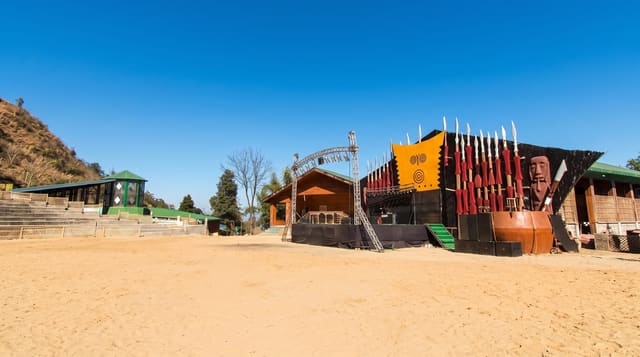
Khonoma is an Angami Naga village of stone-walled terraces stepping down a hillside, historically known for resisting British forces in the nineteenth century from a fortified position. Its modern distinction is a decision taken by the village council: after a hunting competition in 1993 killed a large number of blyth's tragopan, a threatened pheasant, the village banned hunting and logging across some seventy square kilometres of its own forest, creating the Khonoma Nature Conservation and Tragopan Sanctuary under customary law rather than state designation. Alder-based terrace farming, in which trees are pollarded and left in the fields to fix nitrogen, is practised on the slopes.
History
The village's name, Khwüno-ra, comes from the Angami word for a local plant. On 13 October 1879 a British political officer, Guybon Henry Damant, came with 87 soldiers to enforce a tax and the recruitment of labour, and after the villagers held out for four months a peace treaty was signed on 27 March 1880, the last organised resistance of the Nagas to the British; Christianity was introduced in 1890, and most villagers later became Christians (Wikipedia, Khonoma).
The main sights
- The stone terraces - walled rice terraces stepping down the hillside.
- The community sanctuary - forest protected by village decision, not state law.
- The alder farming - pollarded trees left standing in the fields.
- The village fort - the historic defensive position above the settlement.
When to go
October to April for clear weather; the terraces are green in the monsoon but travel is harder. The Sekrenyi festival in February is the main Angami celebration.
Practical notes
An Inner Line Permit is required for Nagaland, including for Indian nationals. Accommodation is village homestays with basic facilities. Tragopan sightings are rare and need a guide and early starts.
Nearby
Kohima lies east; Dzukou valley is southeast.
Key facts
Source: Wikidata, item Q17347092, read on 18 October 2026.
What to pack for Khonoma
Chosen from what this place is for. Tap a kit for the full checklist.
- Strong insect repellent - DEET or picaridin; the jungle is where bites and disease risk are highest. Find on Amazon
- Comfortable walking shoes - Sightseeing means kilometres of pavement and cobbles daily. Find on Amazon
- Long, light, quick-dry clothing - Covers skin from insects and sun without cooking you in the humidity. Find on Amazon
- A slim anti-theft daypack - Zips that close properly; keep it in front in crowds and on transit. Find on Amazon
Some links on this page are Amazon affiliate links - if you buy through them we may earn a small commission at no extra cost to you.
All packing kitsPlan your trip
Where to start if Khonoma is going on the list.
Booking links on this page are affiliate links - if you book through them we may earn a small commission at no extra cost to you. It never changes what we write about a place.
Opening times, ticket prices and seasonal closures change - check the official source before you go: official site.