Dryopida
A Kythnos village of red-tiled roofs in a ravine, with a show cave and a surviving pottery tradition.
Updated 19 October 2026
AI illustration
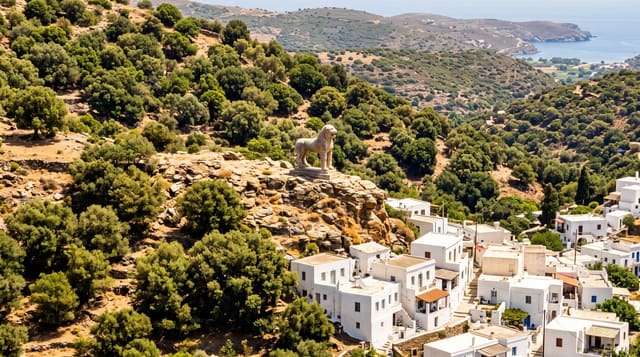
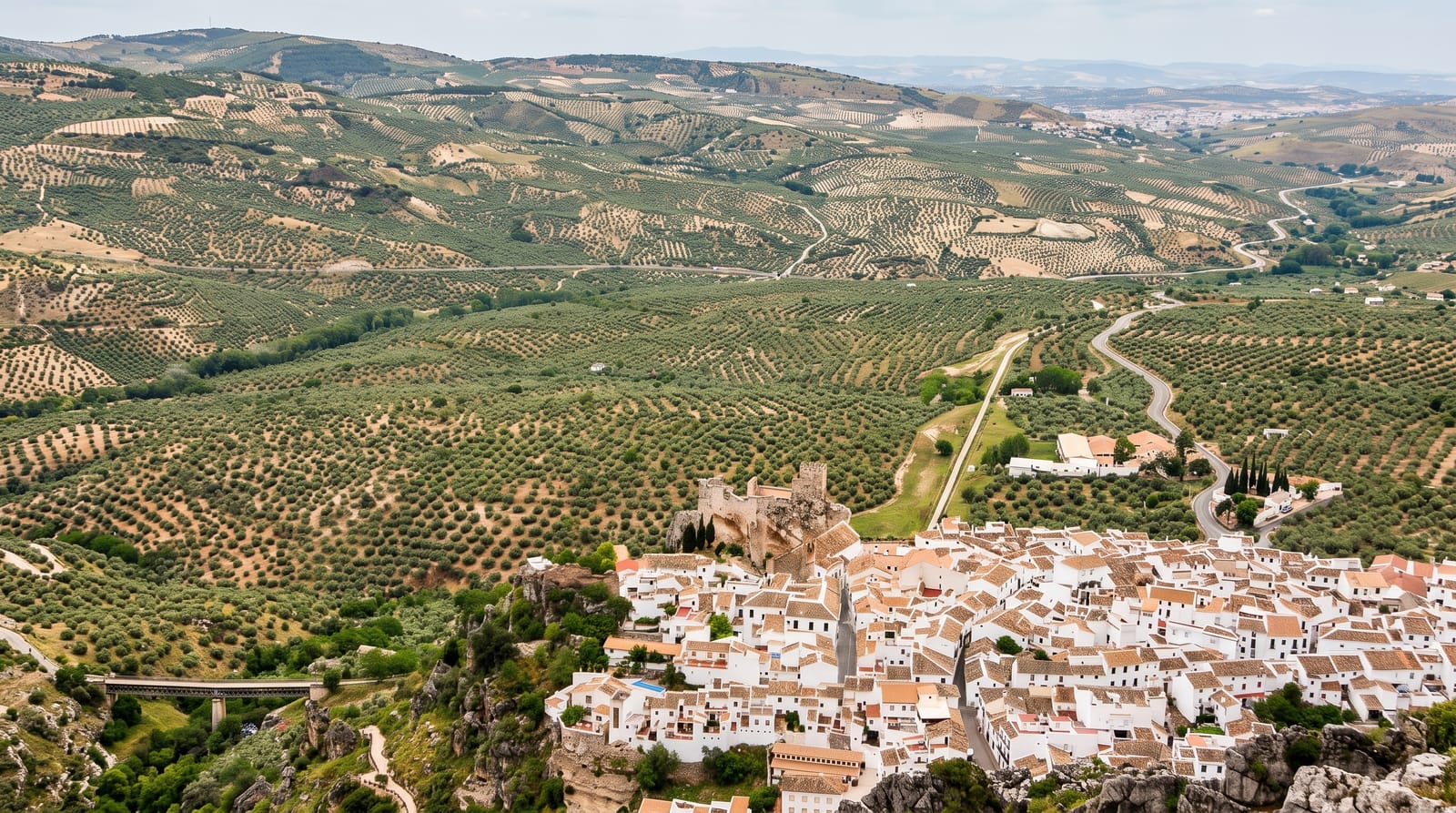
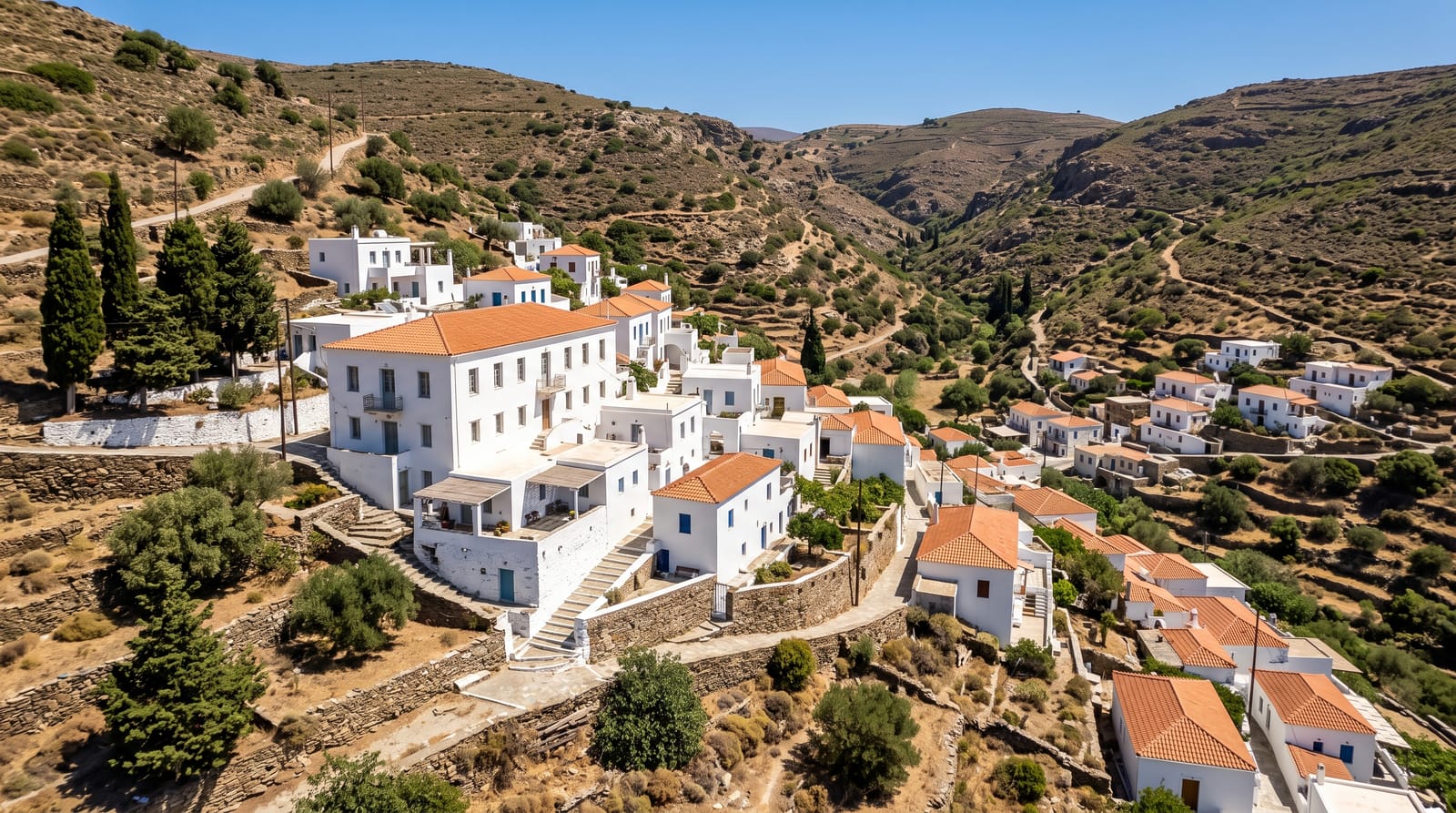
Dryopida breaks the Cycladic pattern: instead of flat white cubes it has pitched roofs of red tile, and instead of standing on a ridge it fills a ravine, its two halves facing each other across a dry stream bed and connected by narrow lanes. It was the island capital until the nineteenth century, and the density of the layout, a defensive choice, still makes it easy to lose direction. Katafyki cave runs under the village, a large limestone system used as an iron mine into the twentieth century, now lit and open on a guided route with stalactites, mine workings and a bat colony. A pottery workshop keeps the local ceramic tradition going, and a small folk museum occupies an old house.
History
Dryopida was founded at an unknown date and became home to refugees from Crete, built, by local tradition, as a hideaway from pirates; first called Syllakas or Chorio, it was later named after the Dryopes, held to be the island's first inhabitants. French Jesuits mention it in 1700 on their Aegean missions, and the village flourished in ceramics and roof tiles, while iron was mined in the Katafyki cave (Wikipedia, Dryopida).
Highlights
- The tiled roofs - red pitched roofs unusual in the Cyclades.
- The ravine layout - two halves of the village facing across a stream bed.
- Katafyki cave - a lit cave system with formations and old mine works.
- The pottery workshop - a surviving local ceramic craft.
When to go
Spring and autumn for walking the lanes in comfort; the cave stays cool year-round and makes a good hot-day option. Cave opening hours are limited and seasonal, so check before driving up.
Things to know
The village is quiet with few tavernas open outside summer. The cave tour covers only part of the system and can close for works or safety. Lanes are stepped and narrow, and cars must be parked at the edge.
Nearby
Loutra's thermal springs are north; Merichas port and Kolona beach lie west.
Key facts
Source: Wikidata, item Q5309772, read on 18 October 2026.
What to pack for Dryopida
Chosen from what this place is for. Tap a kit for the full checklist.
- Head torch + spare batteries - Hands-free light is essential; caves are truly dark. Find on Amazon
- Comfortable walking shoes - Sightseeing means kilometres of pavement and cobbles daily. Find on Amazon
- Swimwear - Needed at most public thermal pools; some traditional baths are nude and single-sex. Find on Amazon
- Grippy closed shoes - Cave floors are wet, muddy and slick with formations. Find on Amazon
Some links on this page are Amazon affiliate links - if you buy through them we may earn a small commission at no extra cost to you.
All packing kitsPlan your trip
Where to start if Dryopida is going on the list.
Booking links on this page are affiliate links - if you book through them we may earn a small commission at no extra cost to you. It never changes what we write about a place.
Opening times, ticket prices and seasonal closures change - check the official source before you go: official site.