Chittorgarh Fort
One of the largest forts in India, spread over a plateau with two victory towers and a set of palaces.
Updated 18 October 2026

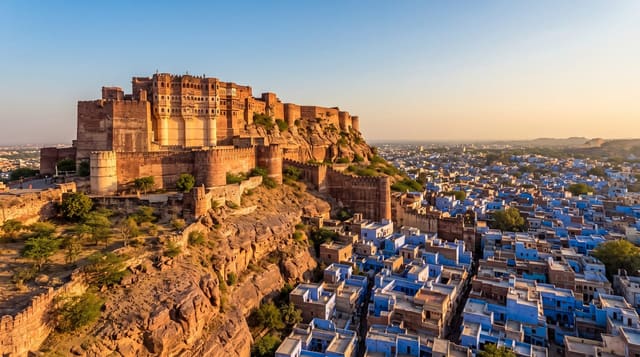
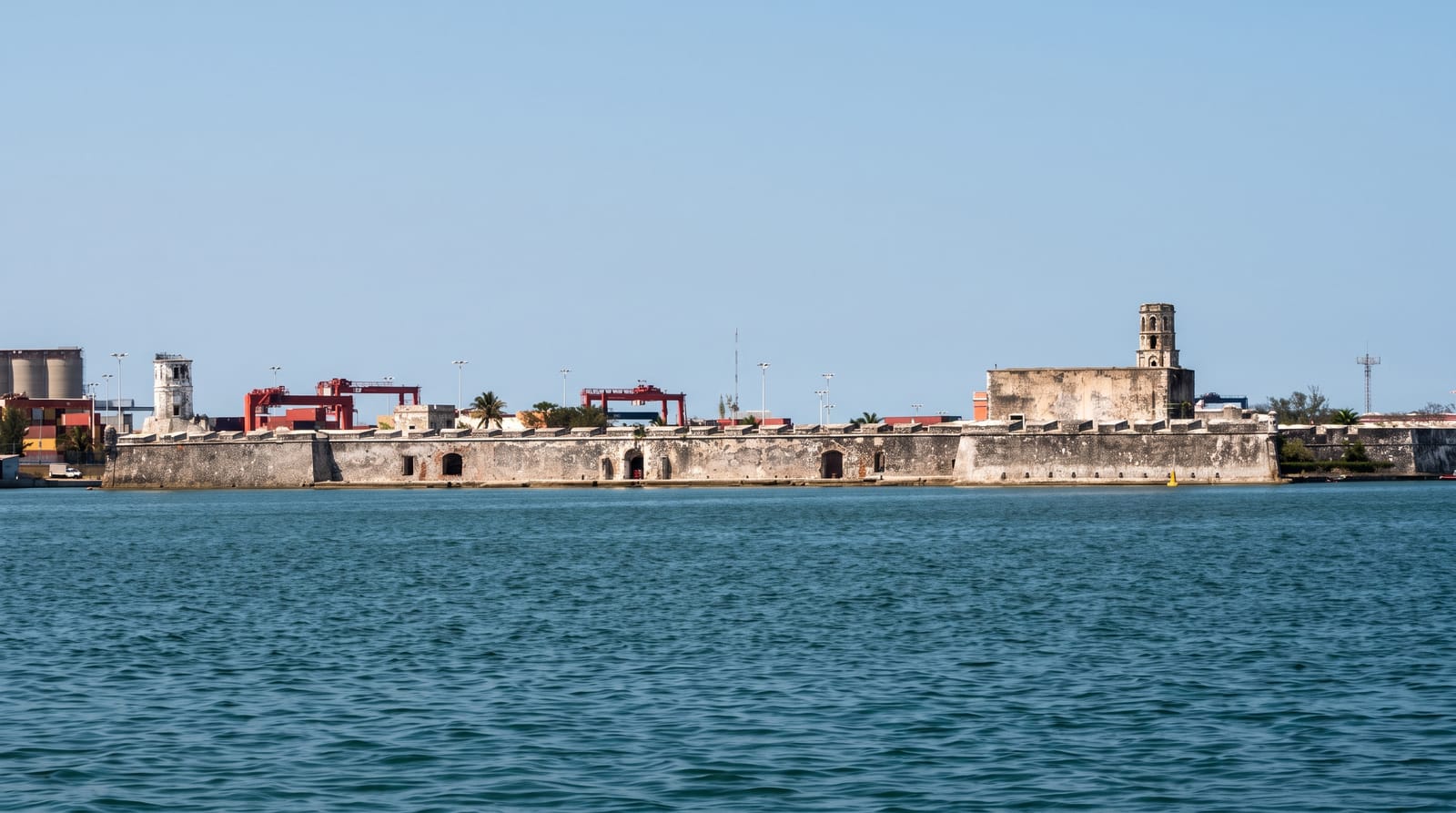
AI illustration
UNESCO World Heritage
Chittorgarh covers around three hundred hectares on a plateau rising a hundred and eighty metres above the plain, reached by a road climbing through seven gates, and it is one of the largest forts in India, one of the six Hill Forts of Rajasthan inscribed by UNESCO. Inside stand the Vijay Stambh, a nine-storey victory tower of 1448 covered in sculpture and climbable inside, the older Kirti Stambh built by a Jain merchant, the Rana Kumbha and Padmini palaces, temples, and the Gaumukh reservoir fed by a spring. The fort was besieged and taken three times, and those sieges dominate how it is presented.
History
Chittorgarh was first called Chitrakut and is said to have been built by the Mori ruler Chitrangada Mori; the Guhila ruler Bappa Rawal is said to have taken it in 728 or 734, though some historians doubt that the Guhilas held it before the later ruler Allata, and the earliest Guhila inscription found here dates from the mid-13th century. In 1303 the Delhi Sultan Alauddin Khalji took the fort after an eight-month siege and, by his courtier Amir Khusrow's account, ordered a massacre of 30,000 local people; later legends say he came for Queen Padmini, but most modern historians reject them, and whether a jauhar took place is still debated. The fort was renamed Khizrabad for his young son and returned to Rajput rule under Hammir Singh, and in 2013 it was declared a World Heritage Site as one of the Hill Forts of Rajasthan (Wikipedia, Chittor Fort).
The main sights
- Vijay Stambh - a nine-storey victory tower carved inside and out.
- Kirti Stambh - the older Jain tower of fame.
- The palaces - Rana Kumbha's and Padmini's, in various states of ruin.
- The plateau scale - three hundred hectares walked or driven around.
When to go
October to March; Rajasthan summers are severe and the fort has little shade. Mornings and late afternoon give the best light on the towers. Evenings bring a sound and light show.
What to expect
The fort is very large and walking it all is impractical; an auto or car inside is usual. Many buildings are ruined and unlabelled. Summer heat on the plateau is dangerous.
Nearby
Udaipur lies southwest; Bundi is northeast.
Key facts
Source: Wikidata, item Q3695769, read on 18 October 2026.
What to pack for Chittorgarh Fort
Chosen from what this place is for. Tap a kit for the full checklist.
- Comfortable walking shoes - Sightseeing means kilometres of pavement and cobbles daily. Find on Amazon
- Modest clothing - Shoulders and knees covered - the single most common requirement. Find on Amazon
- A slim anti-theft daypack - Zips that close properly; keep it in front in crowds and on transit. Find on Amazon
- A scarf or shawl - To cover the head or shoulders on entry; women especially at mosques. Find on Amazon
Some links on this page are Amazon affiliate links - if you buy through them we may earn a small commission at no extra cost to you.
All packing kitsPlan your trip
Where to start if Chittorgarh Fort is going on the list.
Booking links on this page are affiliate links - if you book through them we may earn a small commission at no extra cost to you. It never changes what we write about a place.
Opening times, ticket prices and seasonal closures change - check the official source before you go: official site.