Baijnath Temple
A thirteenth-century stone Shiva temple that came through the earthquake of 1905 with only minor damage.
Updated 19 October 2026
AI illustration
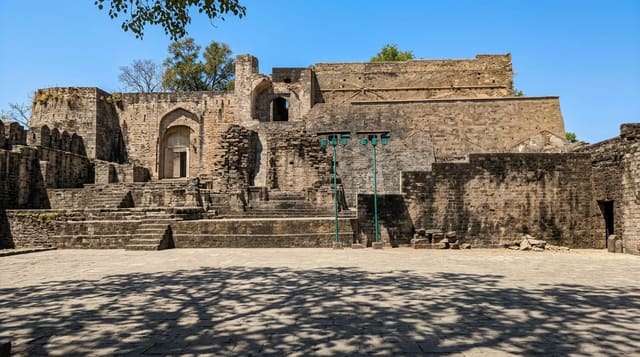
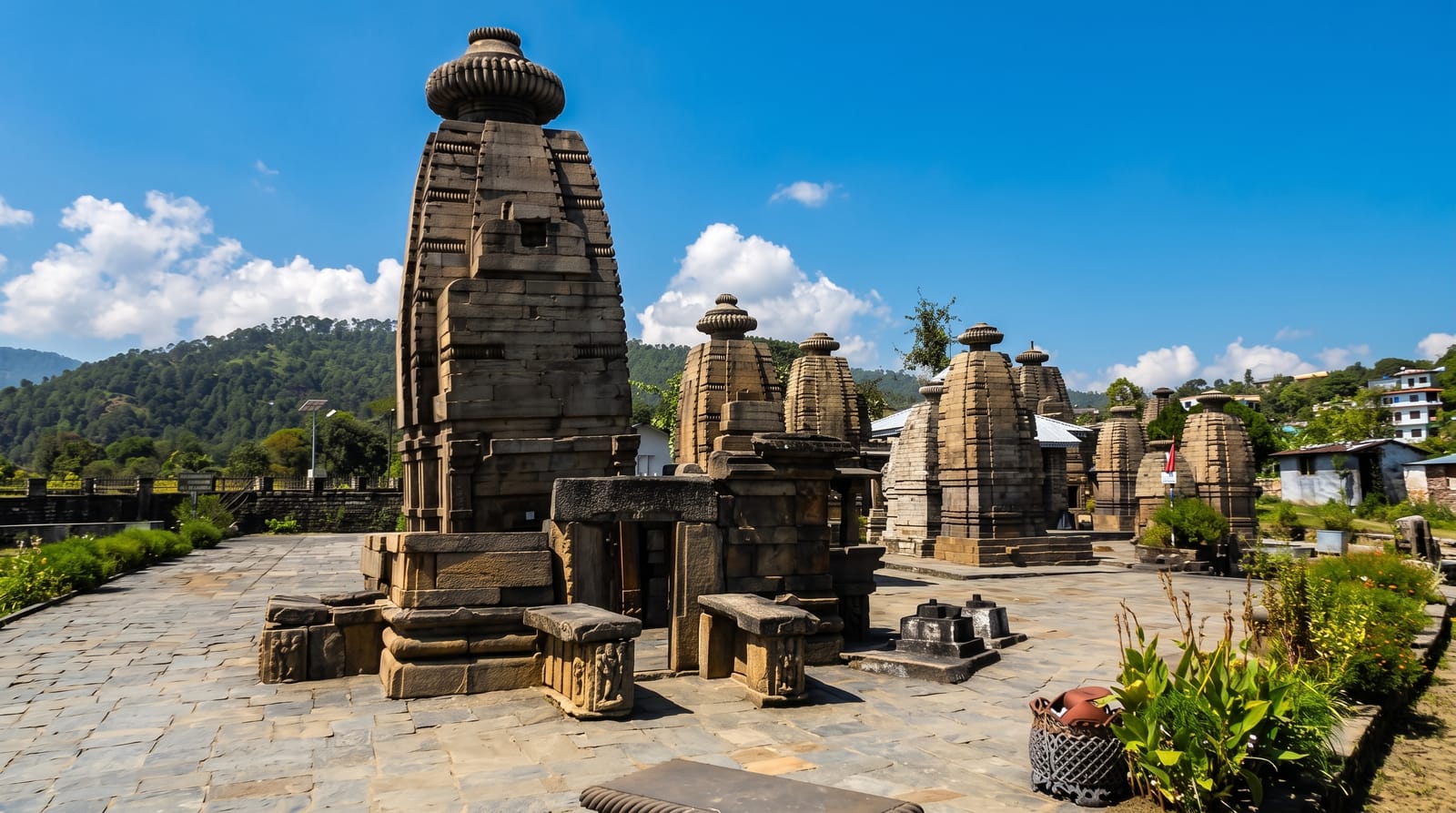
Built in 1204 by two merchants according to its inscriptions, the Baijnath temple is dedicated to Shiva as Vaidyanath, the lord of physicians, and it is one of the best-preserved early stone temples in the western Himalaya, in the north Indian nagara style with a shikhara over the sanctum, a porch and carved panels of deities on the outer walls. It came through the 1905 Kangra earthquake, which destroyed much of the valley including the fort, with only minor damage to its roof and the smaller shrines in the yard. A stone Nandi faces the shrine from the courtyard, and the Dhauladhar range stands behind on clear days. Local tradition holds that Ravana worshipped Shiva here.
History
According to its inscriptions, a temple of Shiva already stood here before two local merchants, Ahuka and Manyuka, built the present one in 1204, and two long inscriptions in Sanskrit in the Sharada script and in local Pahari in Takri record the work. In 1786 the ruler Sansar Chand, who had taken Kangra Fort, had the temple restored, his family priest Ganga Ram rebuilding the spire and outer roof, and in the 1905 earthquake, which devastated the Kangra valley, it survived with minor damage (Wikipedia, Baijnath Temple).
What to look for
- The 1204 stone temple - nagara shikhara and carved outer panels.
- The Nandi - the stone bull facing the sanctum in the courtyard.
- The inscriptions - the merchant founders' record on the walls.
- The Dhauladhar backdrop - the range behind the temple on clear days.
When to go
March to June and September to November; Shivratri in late winter is the main festival. The monsoon in Kangra is heavy. Morning light suits the carved stonework.
Practical notes
The visit is short, under an hour. Photography inside the sanctum is prohibited. The temple sits beside a busy road with limited surrounding interest.
Nearby
Palampur lies west; Bir Billing is east.
Key facts
Source: Wikidata, item Q4843233, read on 18 October 2026.
What to pack for Baijnath Temple
Chosen from what this place is for. Tap a kit for the full checklist.
- Strong insect repellent - DEET or picaridin; the jungle is where bites and disease risk are highest. Find on Amazon
- Comfortable walking shoes - Sightseeing means kilometres of pavement and cobbles daily. Find on Amazon
- Modest clothing - Shoulders and knees covered - the single most common requirement. Find on Amazon
- Long, light, quick-dry clothing - Covers skin from insects and sun without cooking you in the humidity. Find on Amazon
Some links on this page are Amazon affiliate links - if you buy through them we may earn a small commission at no extra cost to you.
All packing kitsPlan your trip
Where to start if Baijnath Temple is going on the list.
Booking links on this page are affiliate links - if you book through them we may earn a small commission at no extra cost to you. It never changes what we write about a place.
Opening times, ticket prices and seasonal closures change - check the official source before you go: official site.