Mole Saint-Nicolas
A dry bay at the northwestern tip of Haiti where Columbus first anchored on the island, with old fortifications above the water.
Updated 19 October 2026
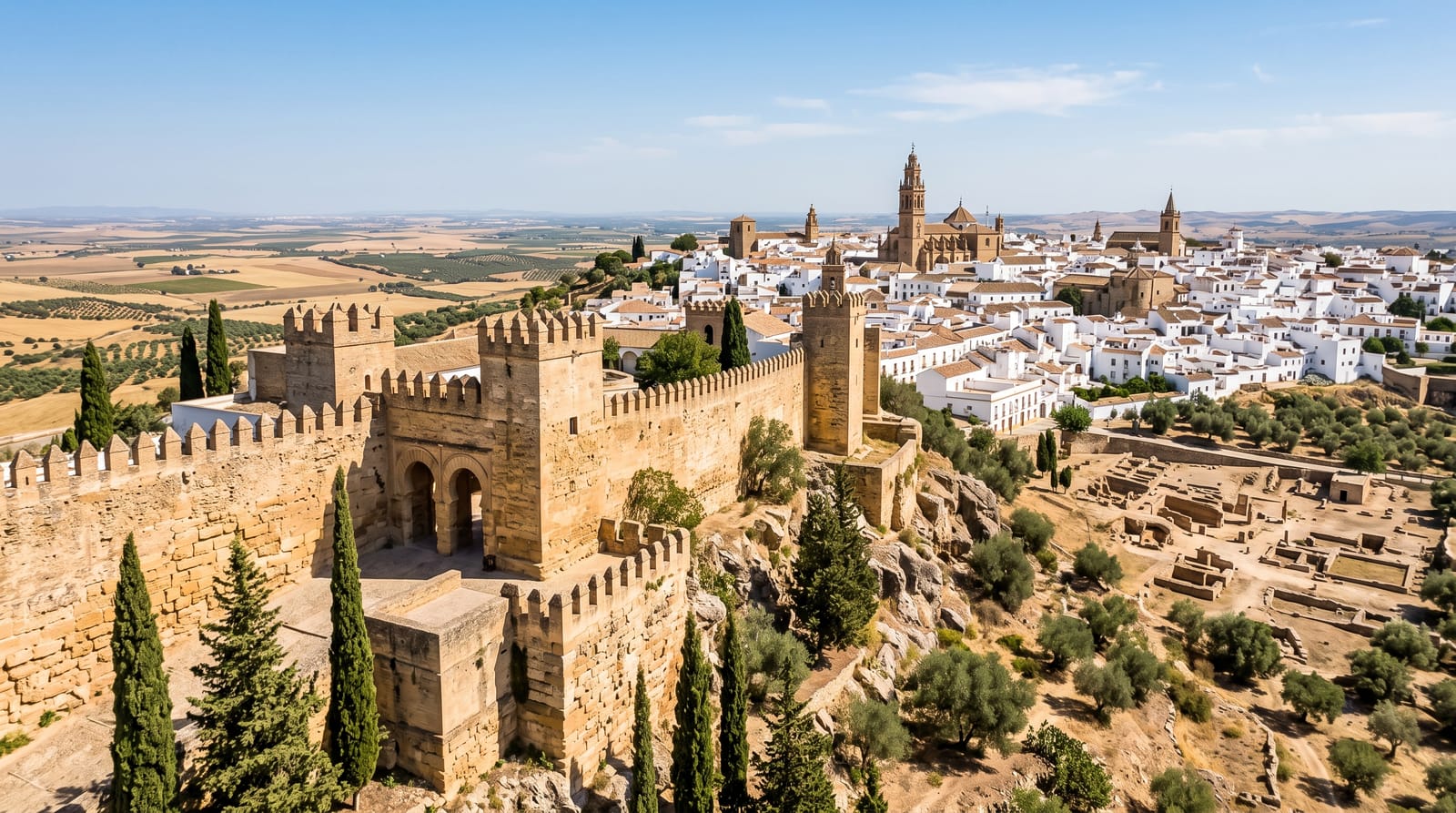
Môle-Saint-Nicolas holds a deep sheltered bay at the northwestern corner of the country, facing the Windward Passage, and it was here that the Spanish expedition first anchored on Hispaniola in December 1492. The French later fortified the bay heavily, and gun batteries and barracks stand in various states above the water. The surrounding country is the driest in Haiti: cactus, thorn scrub and pale rock, quite unlike the green south.
History
Christopher Columbus landed here on his first voyage on 6 December 1492, and the town took its present name after France gained western Hispaniola in 1697; the remains of colonial forts and batteries stand at several places around the bay. In 1764 French authorities tried to settle exiled Acadians here to build up the colony and a naval base, a disaster of disease and hunger, and in 1889 Frederick Douglass, as United States minister to Haiti, was instructed to seek the bay as a coaling station for the American fleet (Wikipedia, Môle-Saint-Nicolas).
What to look for
- The bay - a deep sheltered anchorage facing the Windward Passage.
- The fortifications - eighteenth-century batteries and barrack ruins above the water.
- The dry landscape - cactus and thorn scrub, the driest country in Haiti.
- The landing site - the anchorage recorded as the expedition's first on the island in 1492.
When to go
November to March is the most comfortable, though this corner is dry year-round. The wind through the Windward Passage is constant and strong. Mornings are best for the road.
Before you go
Getting there is a long, rough drive from Port-de-Paix with no fuel for stretches. There is essentially no accommodation and no facilities. The forts are unmarked ruins and finding them needs local help.
Nearby
Port-de-Paix is east along the coast, and Tortuga Island lies offshore from there.
Key facts
Source: Wikidata, item Q2429630, read on 18 October 2026.
What to pack for Mole Saint-Nicolas
Chosen from what this place is for. Tap a kit for the full checklist.
- Comfortable walking shoes - Sightseeing means kilometres of pavement and cobbles daily. Find on Amazon
- Shelter suited to the place - Tent, tarp or hut booking - match it to the terrain and rules. Find on Amazon
- A slim anti-theft daypack - Zips that close properly; keep it in front in crowds and on transit. Find on Amazon
- A warm sleeping bag + mat - Rated a little colder than you expect the nights to be. Find on Amazon
Some links on this page are Amazon affiliate links - if you buy through them we may earn a small commission at no extra cost to you.
All packing kitsPlan your trip
Where to start if Mole Saint-Nicolas is going on the list.
Booking links on this page are affiliate links - if you book through them we may earn a small commission at no extra cost to you. It never changes what we write about a place.
Opening times, ticket prices and seasonal closures change - check the official source before you go: official site.