Etang de Miragoane
The largest natural freshwater lake in Haiti, hemmed in by karst hills in Nippes and thick with waterbirds.
Updated 1 September 2026
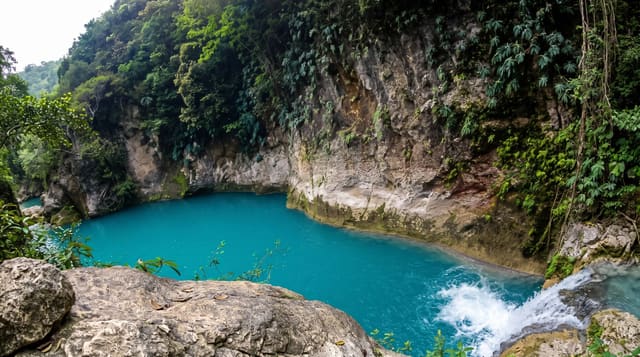
The Étang de Miragoâne sits in a limestone basin a short way inland from the town, and unlike Azuei it is fresh. Karst hills come down to the shore, water lilies cover large parts of the surface, and the lake is fed and drained through the rock rather than by any large river. It carries a heavy bird list, including West Indian whistling duck and masked duck, and it is the most important freshwater wetland on this side of the country.
Highlights
- The lily beds - floating vegetation covering much of the surface.
- The karst rim - limestone hills closing in around the water.
- The ducks - West Indian whistling duck and masked duck among the resident species.
- The fishing pirogues - small boats worked from the shore villages.
When to go
November to March is drier and the best for birds and for the road. Water level changes noticeably between seasons and the lily cover with it. Mornings are calmest.
Good to know
There is no infrastructure of any kind and access is through farmland and village ground. Boats are informal and are negotiated on the spot. Water hyacinth and lily cover can make parts of the lake unnavigable.
Nearby
Miragoane town and the coast road are just north, and the Cayemites are further west.
Key facts
Source: Wikidata, item Q3207215, read on 18 October 2026.
What to pack for Etang de Miragoane
Chosen from what this place is for. Tap a kit for the full checklist.
- Travel rod + reel - A packable multi-piece rod fits in a case and covers most holiday fishing. Find on Amazon
- Reef-safe sunscreen - High SPF that will not bleach the coral you are swimming over. Find on Amazon
- A small tackle selection - Hooks, weights, line and a few lures or flies suited to local waters. Find on Amazon
- Quick-dry towel - A microfibre towel packs small and dries in minutes. Find on Amazon
Some links on this page are Amazon affiliate links - if you buy through them we may earn a small commission at no extra cost to you.
All packing kitsPlan your trip
Where to start if Etang de Miragoane is going on the list.
Booking links on this page are affiliate links - if you book through them we may earn a small commission at no extra cost to you. It never changes what we write about a place.
Opening times, ticket prices and seasonal closures change - check the official source before you go: official site.