Papingo
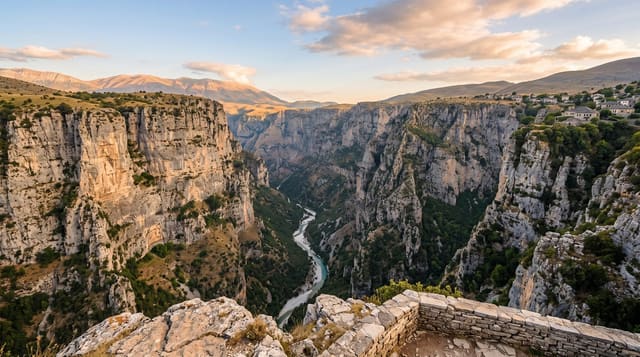
Twin stone villages under the vertical towers of Astraka, with rock pools in the stream and the classic route to Drakolimni.
Updated 19 October 2026
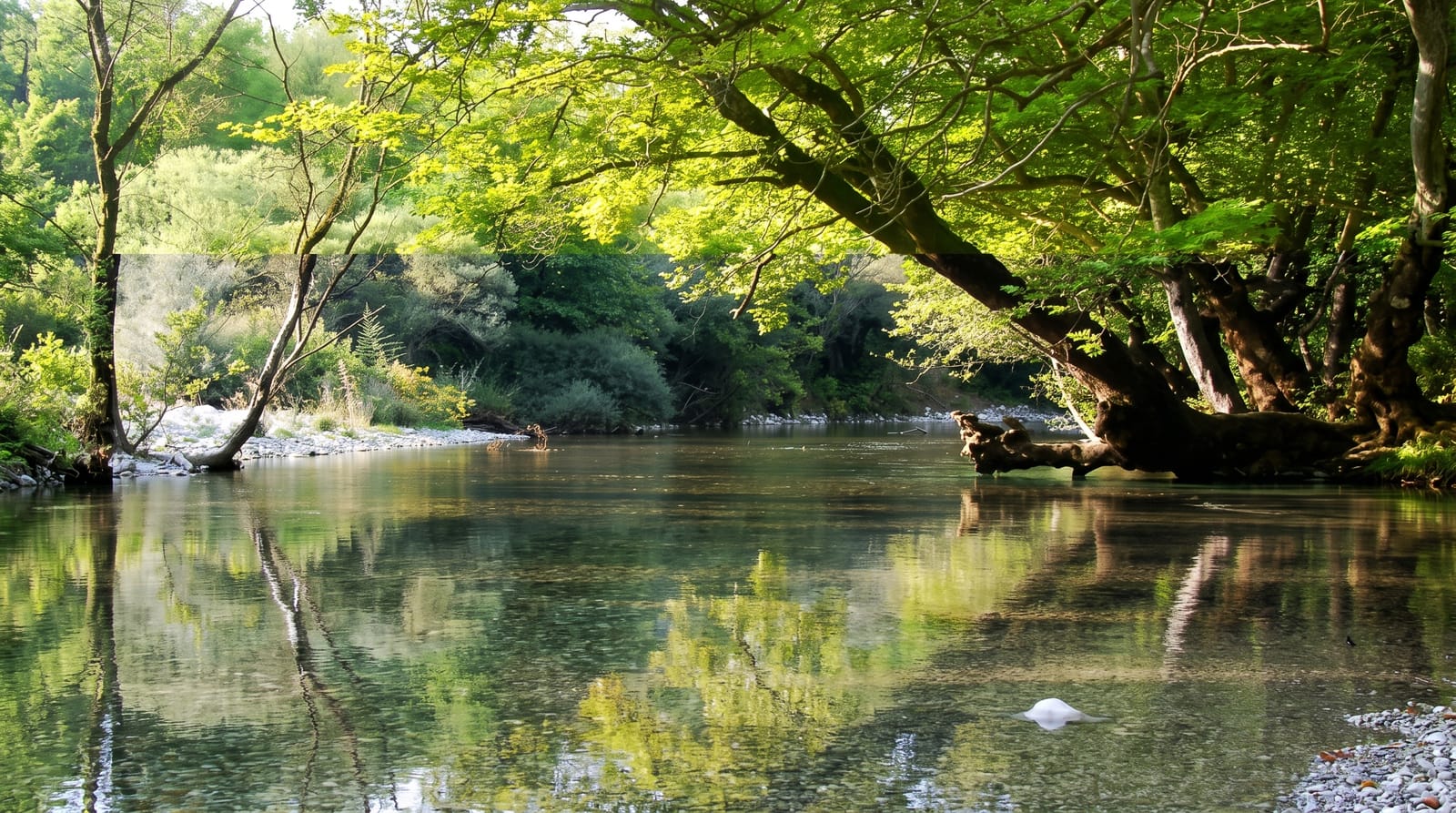
AI illustration
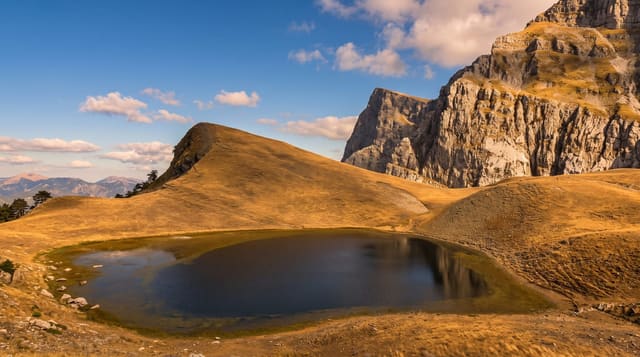
Megalo and Mikro Papingo sit at the northwestern edge of Zagori beneath the Astraka towers, sheer grey walls that rise more than a thousand metres above the roofs and catch the last light in a way that has made them the emblem of the region. The villages are built entirely of local grey stone, slate roofs and cobbled lanes, and were among the first in Zagori to be restored as guesthouses, which saved the architecture and made Papingo the busiest base in the area. Above Mikro Papingo the ovires, natural rock pools in the Rogovo stream, hold cold clear water for summer swimming. The main mountain route climbs from here to the Astraka refuge at 1,950 metres, then on to Drakolimni, the dragon lake, where alpine newts live in the water below Gamila.
History
Papingo is first mentioned in a bull of the Byzantine emperor Andronikos III Palaiologos of 1325, and in 1399 the Greeks of Zagori and Papingo joined Esau, Despot of Epirus, in his campaign against Albanian and Aromanian tribes. The village prospered from the 15th to the 17th centuries thanks to the privileges Zagori won from the Ottoman sultan, and in the 17th and 18th centuries local folk healers, the Vikos doctors, treated illness with herbs from the gorge (Wikipedia, Papingo).
The main sights
- The Astraka towers - vertical limestone walls above the villages.
- The ovires pools - rock basins in the stream above Mikro Papingo.
- The stone villages - slate roofs, cobbled lanes and restored mansions.
- The Drakolimni route - the classic climb to the refuge and the alpine lake.
When to go
Late May to October for walking; the Drakolimni route needs a clear, long day and is snowbound into June some years. Winter turns Papingo into a fireside destination with occasional road closures.
Practical notes
Papingo is the most visited corner of Zagori and books out on weekends and holidays, with prices to match. The road in is narrow and slow. The walk to Drakolimni is a full mountain day of six to eight hours round trip, not a stroll.
Nearby
Vikos gorge ends below the villages; Monodendri and the other Zagori villages lie east.
Key facts
Source: Wikidata, item Q3562616, read on 18 October 2026.
What to pack for Papingo
Chosen from what this place is for. Tap a kit for the full checklist.
- Reef-safe sunscreen - High SPF that will not bleach the coral you are swimming over. Find on Amazon
- Comfortable walking shoes - Sightseeing means kilometres of pavement and cobbles daily. Find on Amazon
- Quick-dry towel - A microfibre towel packs small and dries in minutes. Find on Amazon
- A slim anti-theft daypack - Zips that close properly; keep it in front in crowds and on transit. Find on Amazon
Some links on this page are Amazon affiliate links - if you buy through them we may earn a small commission at no extra cost to you.
All packing kitsPlan your trip
Where to start if Papingo is going on the list.
Booking links on this page are affiliate links - if you book through them we may earn a small commission at no extra cost to you. It never changes what we write about a place.
Opening times, ticket prices and seasonal closures change - check the official source before you go: official site.