Zhagana
Tibetan villages inside a natural amphitheatre of limestone peaks, the name meaning stone box.
Updated 14 October 2026
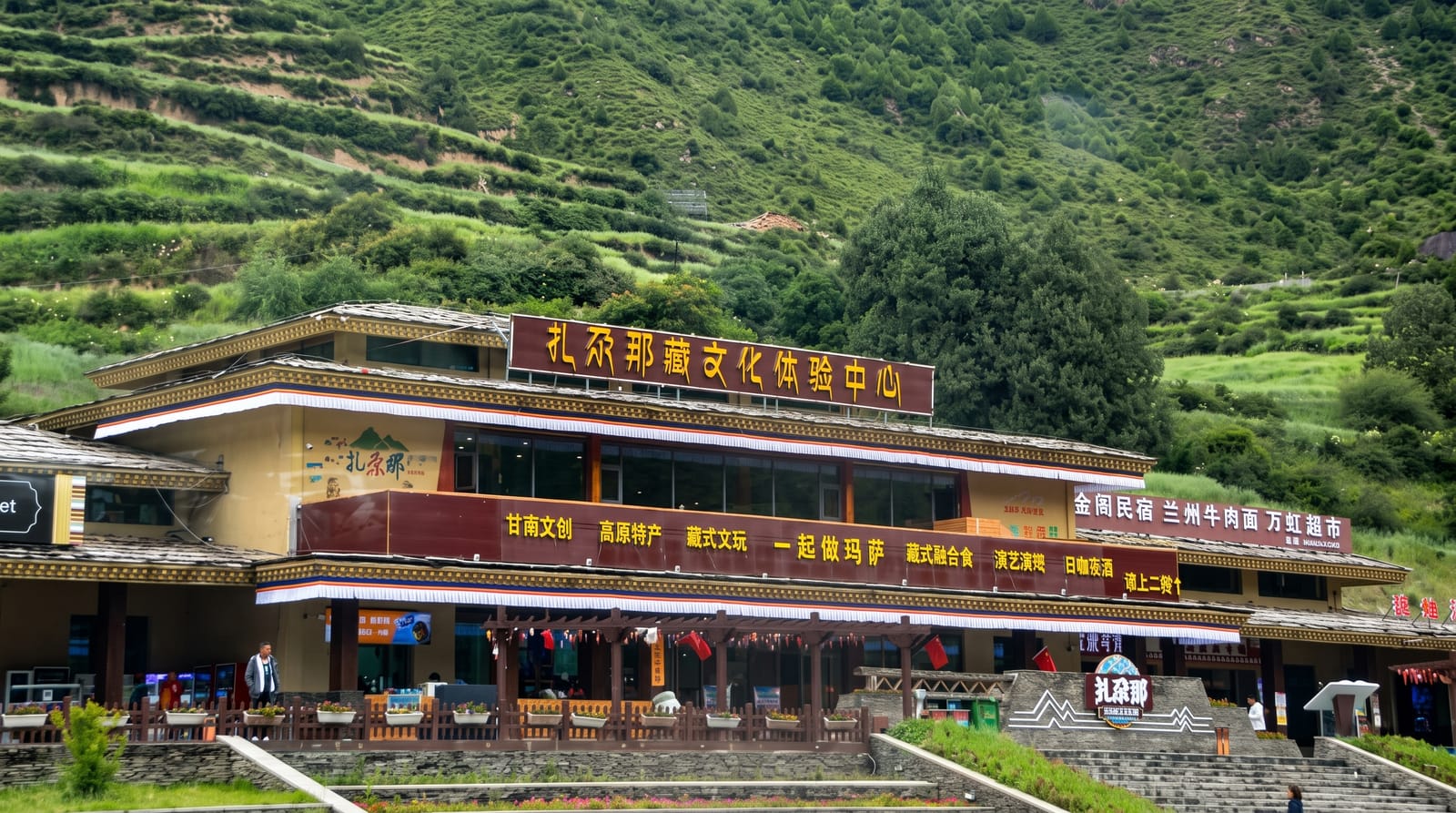
AI illustration
Zhagana means stone box in Tibetan, and the description fits: a ring of grey limestone peaks encloses a basin of terraced barley fields, conifer forest and four villages of timber and stone houses, entered through a gap in the rock. Joseph Rock, the botanist who travelled this region in the 1920s, wrote of it in terms that later readers connected to imagined lost valleys. Paths climb from the villages to viewpoints, through the forest to a lake and over a pass toward the neighbouring valleys, and mist frequently fills the basin in the morning with the peaks standing above it.
The landscape
- The rock amphitheatre - limestone peaks enclosing the basin.
- The four villages - timber and stone houses among terraced fields.
- The morning mist - cloud filling the basin below the peaks.
- The walking routes - paths to viewpoints, a lake and over the passes.
When to go
May to October, with barley green in summer and gold before the September harvest; winter is snowbound and cold. Rain is frequent in July and August and roads can be affected.
Good to know
Access requires a long road journey and a change of transport. Guesthouses are village homestays, simple and cold outside summer. Development has accelerated since the area became known.
Nearby
Langmusi lies southwest; Xiahe is north.
What to pack for Zhagana
Chosen from what this place is for. Tap a kit for the full checklist.
- Broken-in walking shoes or boots - Grip and ankle support matter more than looks; never hike in brand-new boots. Find on Amazon
- Layers + a waterproof shell - Mountain weather turns fast; a packable rain jacket saves the day. Find on Amazon
- Daypack with rain cover - 20-30 litres holds water, snacks, layers and a first-aid kit. Find on Amazon
- Offline maps + a power bank - Download the trail before you lose signal; carry backup charge. Find on Amazon
Some links on this page are Amazon affiliate links - if you buy through them we may earn a small commission at no extra cost to you.
All packing kitsPlan your trip
Where to start if Zhagana is going on the list.
Booking links on this page are affiliate links - if you book through them we may earn a small commission at no extra cost to you. It never changes what we write about a place.
Opening times, ticket prices and seasonal closures change - check the official source before you go: official site.