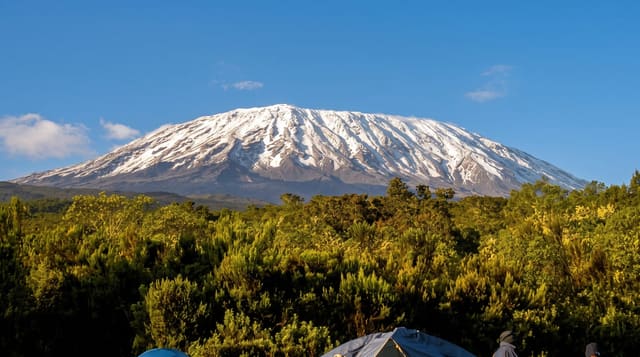
Mount Hymettus
The herb-covered ridge east of Athens, famous in antiquity for its honey and marble, now the city's nearest hiking ground.
Updated 4 September 2026
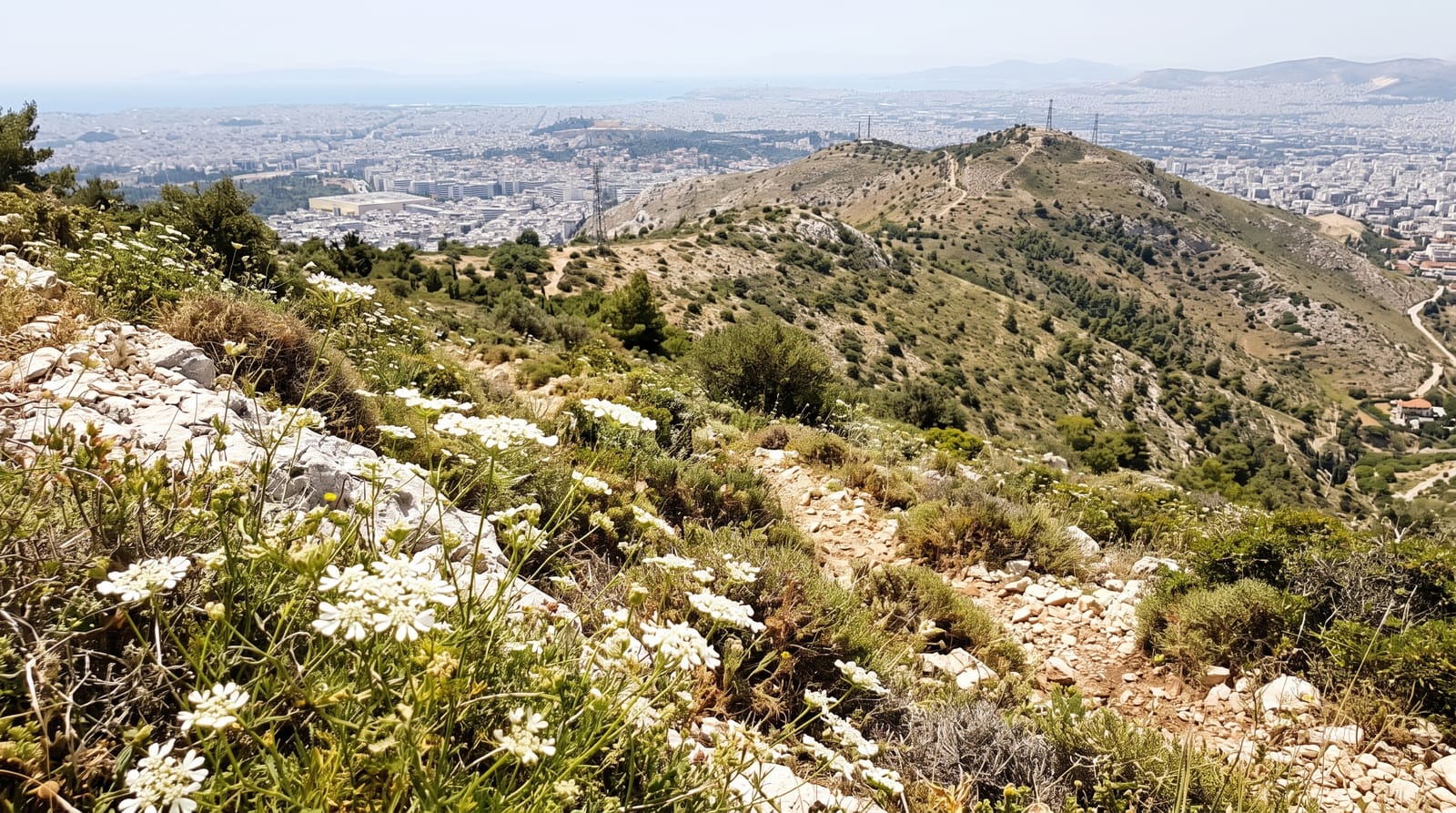
AI illustration
Hymettus runs for about sixteen kilometres along the eastern edge of the Athens basin, rising to 1,026 metres, and its lower slopes are covered in thyme, sage and other aromatic scrub that made its honey famous in antiquity and still does; beekeepers work the mountain and sell at roadside stands. The Athenians also quarried a blue-grey marble here, and the old workings are visible on the western flank. A network of paths and forest roads crosses the mountain from the Kaisariani monastery and its planted forest up to the ridge, giving a view over the whole basin to the sea, and caves including Koutouki on the eastern side open in the limestone. Sunrise from the ridge over the Attic plain is the local reward.
Highlights
- The herb slopes - thyme and sage scrub that flavours the famous honey.
- The ridge views - the whole Athens basin and the Saronic Gulf.
- The Kaisariani forest - planted pine and cypress on the western flank.
- The old quarries - workings that supplied Athenian blue-grey marble.
When to go
October to May for walking, when the scrub is green and temperatures are reasonable; spring brings flowers and the bees. Summer is hot, and fire risk closes access in high-danger conditions.
Practical notes
Much of the mountain is bare and burned in places, with military installations and antennas on the summit ridge that are fenced off. Trails are marked unevenly, and there is no water. Access is easiest with a car.
Nearby
Kaisariani monastery sits on the western slope; Koutouki cave is on the eastern side above Paiania.
Key facts
Source: Wikidata, item Q1232266, read on 18 October 2026.
What to pack for Mount Hymettus
Chosen from what this place is for. Tap a kit for the full checklist.
- Broken-in walking shoes or boots - Grip and ankle support matter more than looks; never hike in brand-new boots. Find on Amazon
- Head torch + spare batteries - Hands-free light is essential; caves are truly dark. Find on Amazon
- Layers for big temperature swings - Warm sun by day, near-freezing at night, even near the equator. Find on Amazon
- Modest clothing - Shoulders and knees covered - the single most common requirement. Find on Amazon
Some links on this page are Amazon affiliate links - if you buy through them we may earn a small commission at no extra cost to you.
All packing kitsPlan your trip
Where to start if Mount Hymettus is going on the list.
Booking links on this page are affiliate links - if you book through them we may earn a small commission at no extra cost to you. It never changes what we write about a place.
Opening times, ticket prices and seasonal closures change - check the official source before you go: official site.