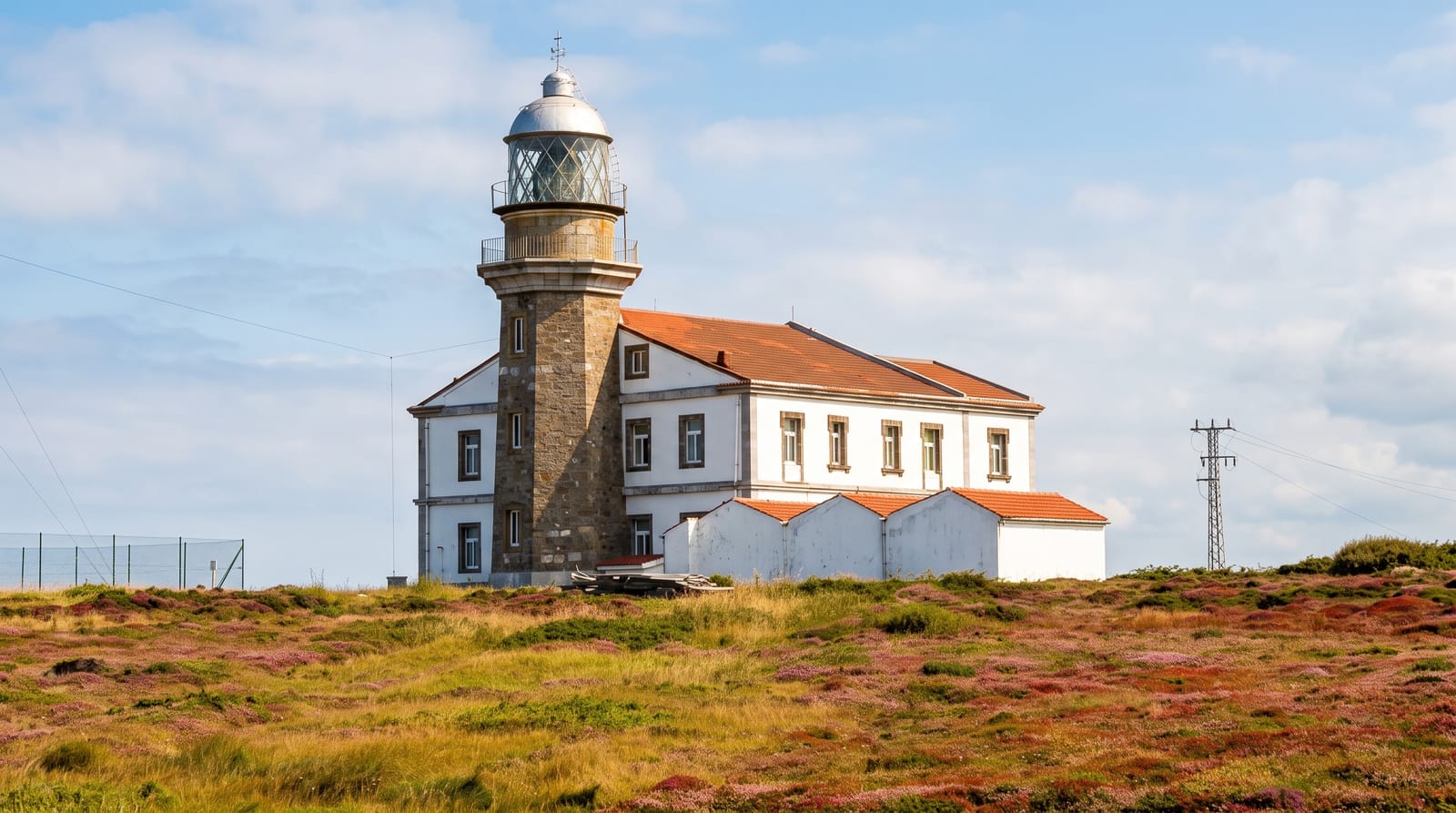
Cape Maleas
The dreaded headland of the Odyssey, a bare finger of rock ending in a lighthouse, reached only on foot or by boat.
Updated 19 October 2026
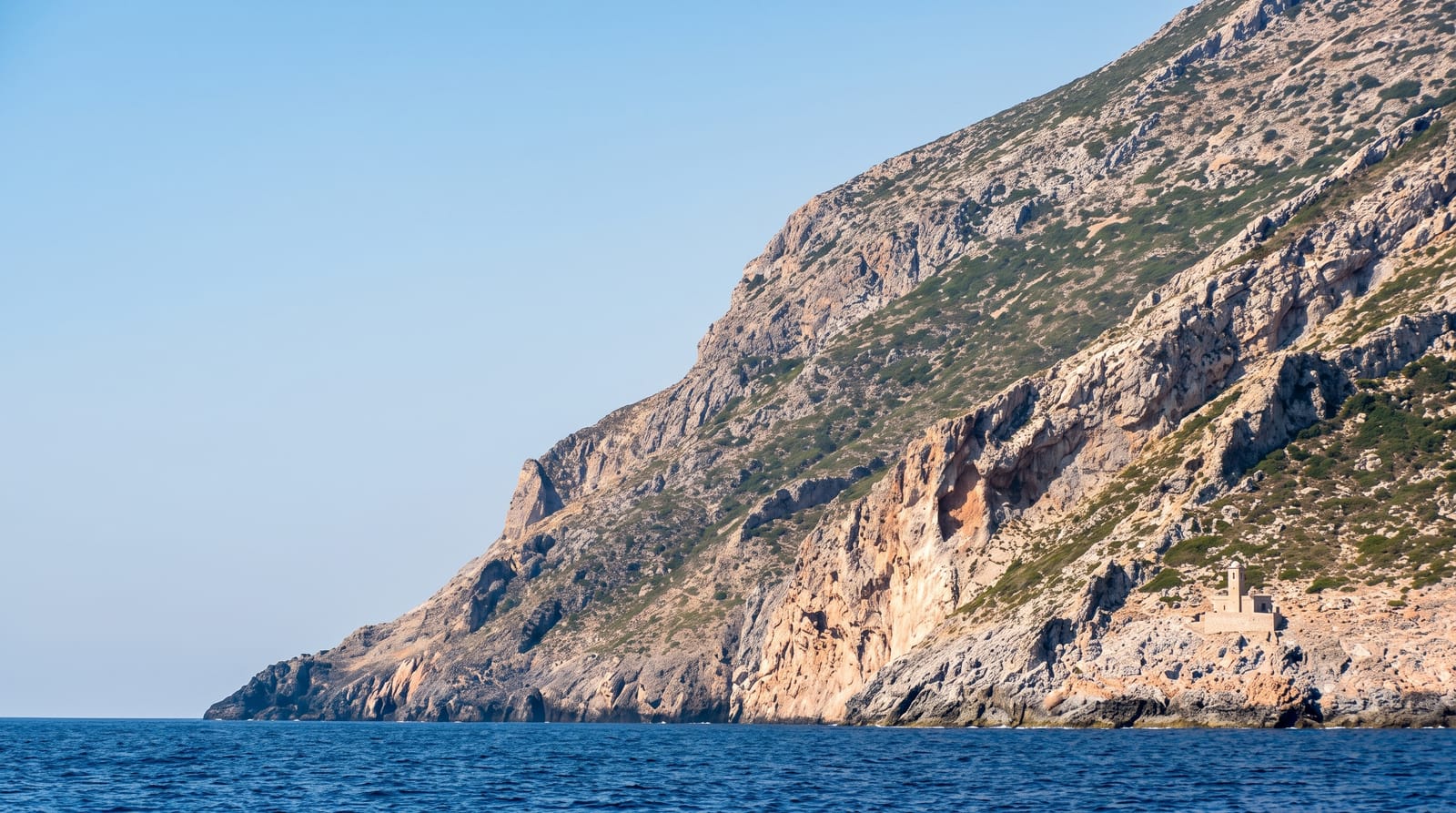
AI illustration
Maleas is the middle of the three southern fingers of the Peloponnese and one of the classic hazards of Mediterranean sailing: winds funnel around it and seas build sharply, which is why ancient sailors had a proverb about forgetting your home once you rounded it, and why Odysseus was blown off course here. The cape is treeless and stark, ending in a lighthouse built in 1883 above cliffs that drop straight to deep water. On the eastern flank sits the chapel and hermitage of Agia Irini, cut into the rock and still occupied periodically by a hermit; the cliffs hold caves used by ascetics for centuries. Reaching the tip means driving to Velanidia or Palaiokastro and walking a rough coastal path for around two hours each way.
History
In antiquity the cape lay on a busy shipping lane from the eastern Mediterranean to the west and was notorious for bad weather, as the Odyssey tells of Odysseus being blown off course on rounding it, and as Xenophon later recorded; the epitaph of the merchant Flavius Zeuxis at Hierapolis boasts that he "sailed seventy-two times round Cape Malea" between Asia Minor and Italy. Its importance fell once the Corinth Canal let ships bypass the Peloponnese, though larger ships still round it because the canal takes only vessels under 21m wide, and in 2025 UNESCO designated the cape a biosphere reserve (Wikipedia, Cape Maleas).
What's there
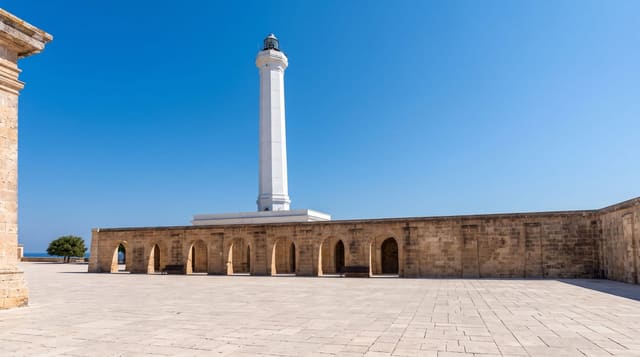
- The lighthouse - an 1883 tower at the southeastern tip of the mainland.
- The hermit caves - rock-cut cells and the chapel of Agia Irini.
- The cliffs - bare rock falling to deep, wind-torn water.
- The coastal path - a long exposed walk along the finger of the cape.
When to go
Spring and autumn, when temperatures allow a long walk with no shade. Wind is the deciding factor; strong northerlies make both the path and any boat trip unpleasant.
Good to know
There is no road to the cape, no water, no shelter and no phone coverage in places. The path is rough and exposed, and the walk is four hours round trip minimum. Boat trips from Neapoli are weather-dependent.
Nearby
Elafonisos and Neapoli lie west; Monemvasia is an hour and a half north.
Key facts
Source: Wikidata, item Q1471621, read on 18 October 2026.
What to pack for Cape Maleas
Chosen from what this place is for. Tap a kit for the full checklist.
- Broken-in walking shoes or boots - Grip and ankle support matter more than looks; never hike in brand-new boots. Find on Amazon
- Head torch + spare batteries - Hands-free light is essential; caves are truly dark. Find on Amazon
- Layers + a waterproof shell - Mountain weather turns fast; a packable rain jacket saves the day. Find on Amazon
- Grippy closed shoes - Cave floors are wet, muddy and slick with formations. Find on Amazon
Some links on this page are Amazon affiliate links - if you buy through them we may earn a small commission at no extra cost to you.
All packing kitsPlan your trip
Where to start if Cape Maleas is going on the list.
Booking links on this page are affiliate links - if you book through them we may earn a small commission at no extra cost to you. It never changes what we write about a place.
Opening times, ticket prices and seasonal closures change - check the official source before you go: official site.