Agios Nektarios Monastery
One of the largest pilgrimage churches in the Balkans, built for a saint canonised in 1961 on the slopes of Aegina.
Updated 4 September 2026
AI illustration
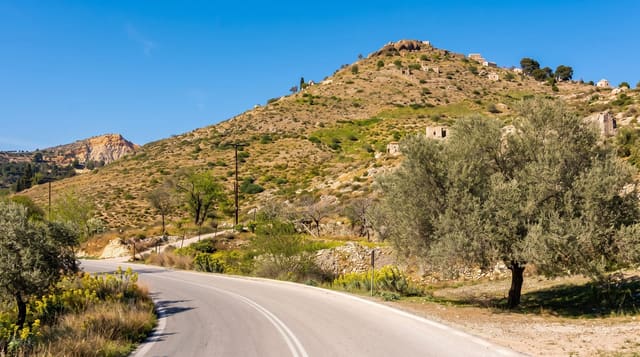
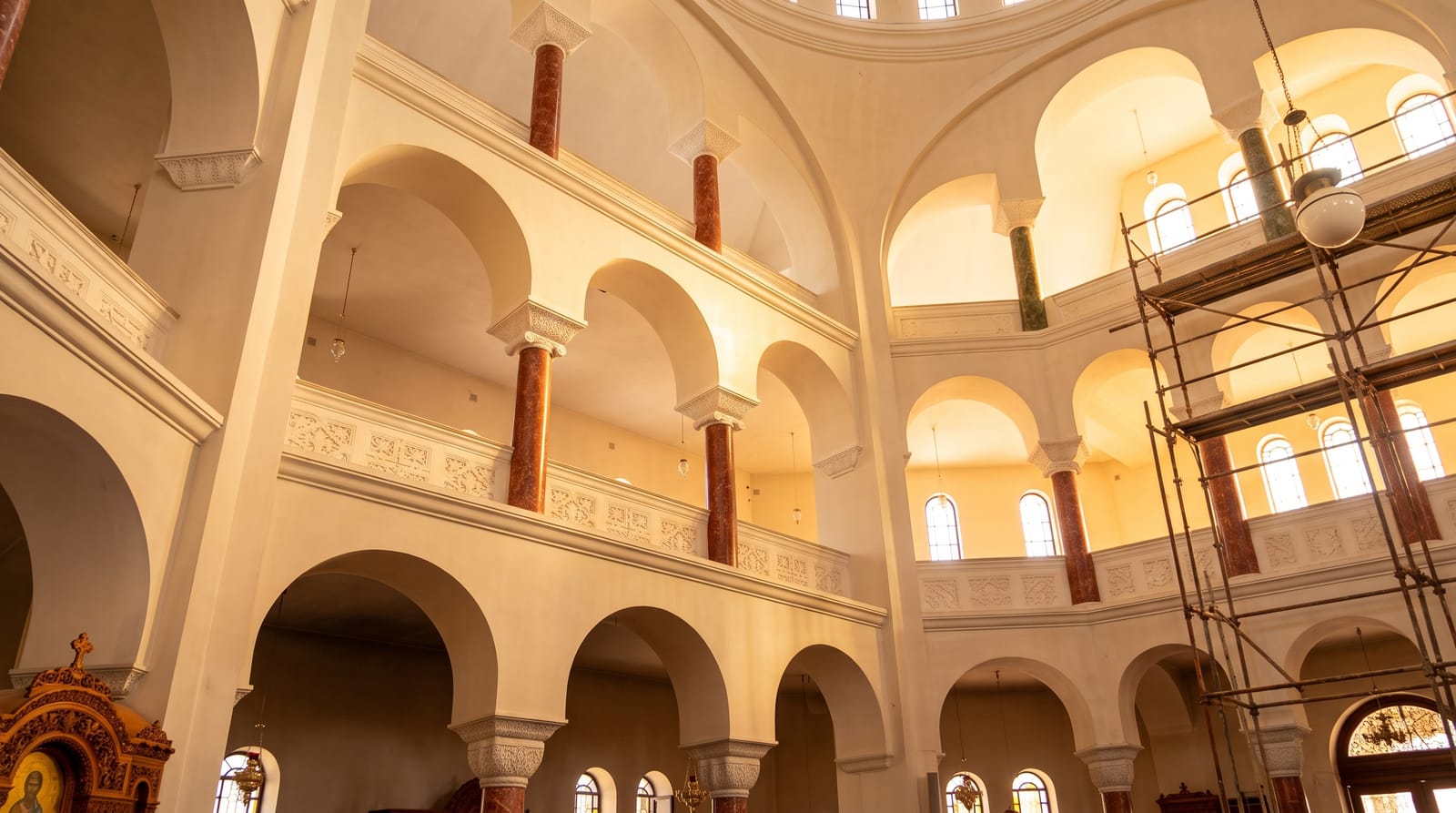
Nektarios of Aegina, a bishop who spent his last years here and died in 1920, was canonised in 1961 and became one of the most popular saints in modern Greek Orthodoxy, credited with healings; his monastery draws pilgrims all year and especially on his feast day, 9 November. The complex has two parts: the original convent where he lived, with his cell kept as it was and his tomb in a small chapel where visitors press their ear to the marble, and above it an enormous modern basilica, one of the largest churches in the Balkans, built in the Byzantine style with a great dome. Below the monastery on the hillside stands Paleochora, the abandoned Byzantine town, which makes a natural continuation of the visit.
What's there
- The great basilica - a vast modern Byzantine-style church with a high dome.
- The saint's cell and tomb - preserved rooms in the original convent.
- The pilgrim traffic - a working shrine with constant visitors.
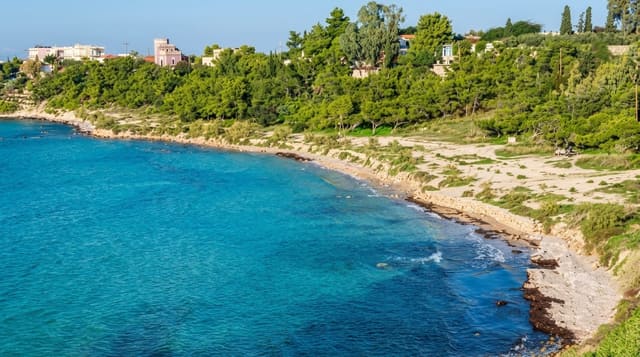
- The hillside setting - views over the island's centre toward the sea.
When to go
Spring and autumn for comfort; 9 November for the feast, when the island fills with pilgrims and boats add sailings. The monastery keeps a midday break.
Before you go
Dress rules are enforced, and this is an active shrine rather than a monument, so quiet and respect are expected. The modern basilica is impressive in scale but recent in date, which disappoints visitors expecting antiquity.
Nearby
Paleochora's ruined chapels are on the hill above; Aegina Town is fifteen minutes away.
What to pack for Agios Nektarios Monastery
Chosen from what this place is for. Tap a kit for the full checklist.
- Comfortable walking shoes - Sightseeing means kilometres of pavement and cobbles daily. Find on Amazon
- Modest clothing - Shoulders and knees covered - the single most common requirement. Find on Amazon
- A slim anti-theft daypack - Zips that close properly; keep it in front in crowds and on transit. Find on Amazon
- A scarf or shawl - To cover the head or shoulders on entry; women especially at mosques. Find on Amazon
Some links on this page are Amazon affiliate links - if you buy through them we may earn a small commission at no extra cost to you.
All packing kitsPlan your trip
Where to start if Agios Nektarios Monastery is going on the list.
Booking links on this page are affiliate links - if you book through them we may earn a small commission at no extra cost to you. It never changes what we write about a place.
Opening times, ticket prices and seasonal closures change - check the official source before you go: official site.