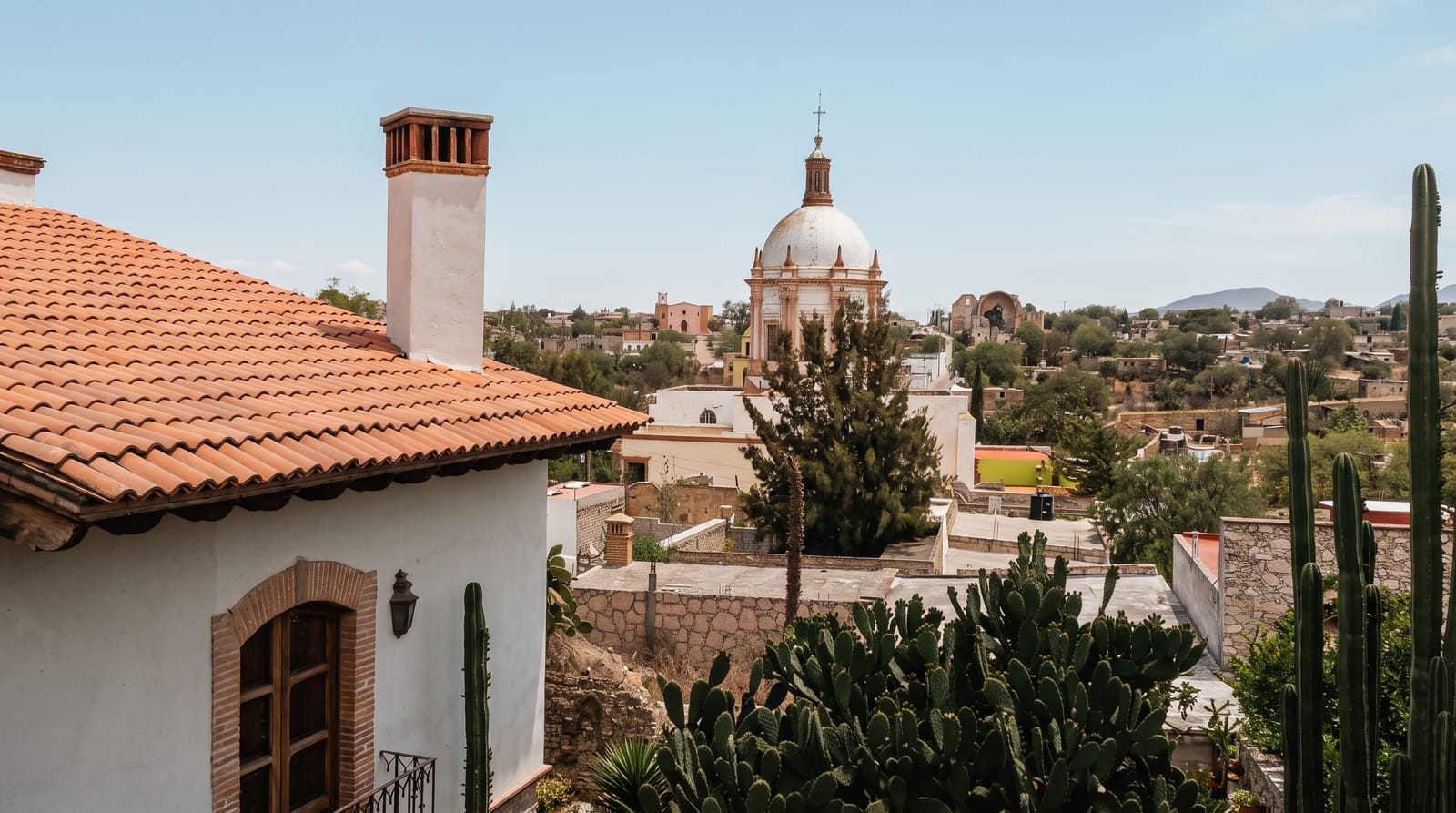
Salaga
A northern market town that was a major trans-Saharan trading centre, with sites recording its role in the slave trade.
Updated 19 October 2026
Salaga grew in the nineteenth century as the southern terminus of trans-Saharan routes reaching down from Hausaland and beyond, a market where kola nuts, cloth, salt and captives were exchanged, and it was for a period one of the largest trading centres in the West African interior. Sites in and around the town record that history directly: the old slave market ground, wells said to have been used to wash captives before sale, and a cemetery. Local heritage organisations have marked and interpreted them, and visitors from the diaspora come as part of routes linking the northern trade with the coastal forts. The present town is a working market centre of the Savannah Region and the sites sit within it rather than in an enclosure.
History
The name comes from the Dagomba word salgi, "to get used to a place of abode". In the eighteenth and nineteenth centuries Salaga was a key market town, above all for the kola trade, and whoever held it controlled trade to the north and south; after a long series of wars with the Kong Empire late in the 18th century, the Ashanti turned their trade through Salaga towards the Hausa states. Called "the Timbuktu of the south" for its cosmopolitan people and varied trade, it was ruled by the Gonja kingdom and home to Hausa, Wangara, Dagomba, Gurma and other peoples (Wikipedia, Salaga).
The main sights
- The old market ground - the site of the nineteenth-century trading square.
- The wells - the water points associated with the trade.
- The cemetery - the burial ground linked to the period.
- The working market - the present-day town market around the sites.
When to go
November to March in the dry season; the roads east of Tamale are difficult in the rains. Mornings are cooler. Local guides should be arranged in town rather than assumed.
What to expect
The sites are dispersed within a working town and need a local guide to find and understand. Interpretation and signage are limited. Facilities and accommodation in Salaga are basic. Roads in the region are rough.
Nearby
Tamale lies north; the Volta lake is east.
Key facts
Source: Wikidata, item Q995578, read on 18 October 2026.
What to pack for Salaga
Chosen from what this place is for. Tap a kit for the full checklist.
- Loose, light, long clothing - Covering up beats bare skin in the desert - and locals dress this way for a reason. Find on Amazon
- Comfortable walking shoes - Sightseeing means kilometres of pavement and cobbles daily. Find on Amazon
- A wide-brim hat + sunglasses - Shade for your face and eyes where there is none overhead. Find on Amazon
- A slim anti-theft daypack - Zips that close properly; keep it in front in crowds and on transit. Find on Amazon
Some links on this page are Amazon affiliate links - if you buy through them we may earn a small commission at no extra cost to you.
All packing kitsPlan your trip
Where to start if Salaga is going on the list.
Booking links on this page are affiliate links - if you book through them we may earn a small commission at no extra cost to you. It never changes what we write about a place.
Opening times, ticket prices and seasonal closures change - check the official source before you go: official site.