Bui National Park
A savanna park on the Black Volta, home to most of Ghana's hippos and now partly flooded by the Bui Dam reservoir.
Updated 2 November 2026
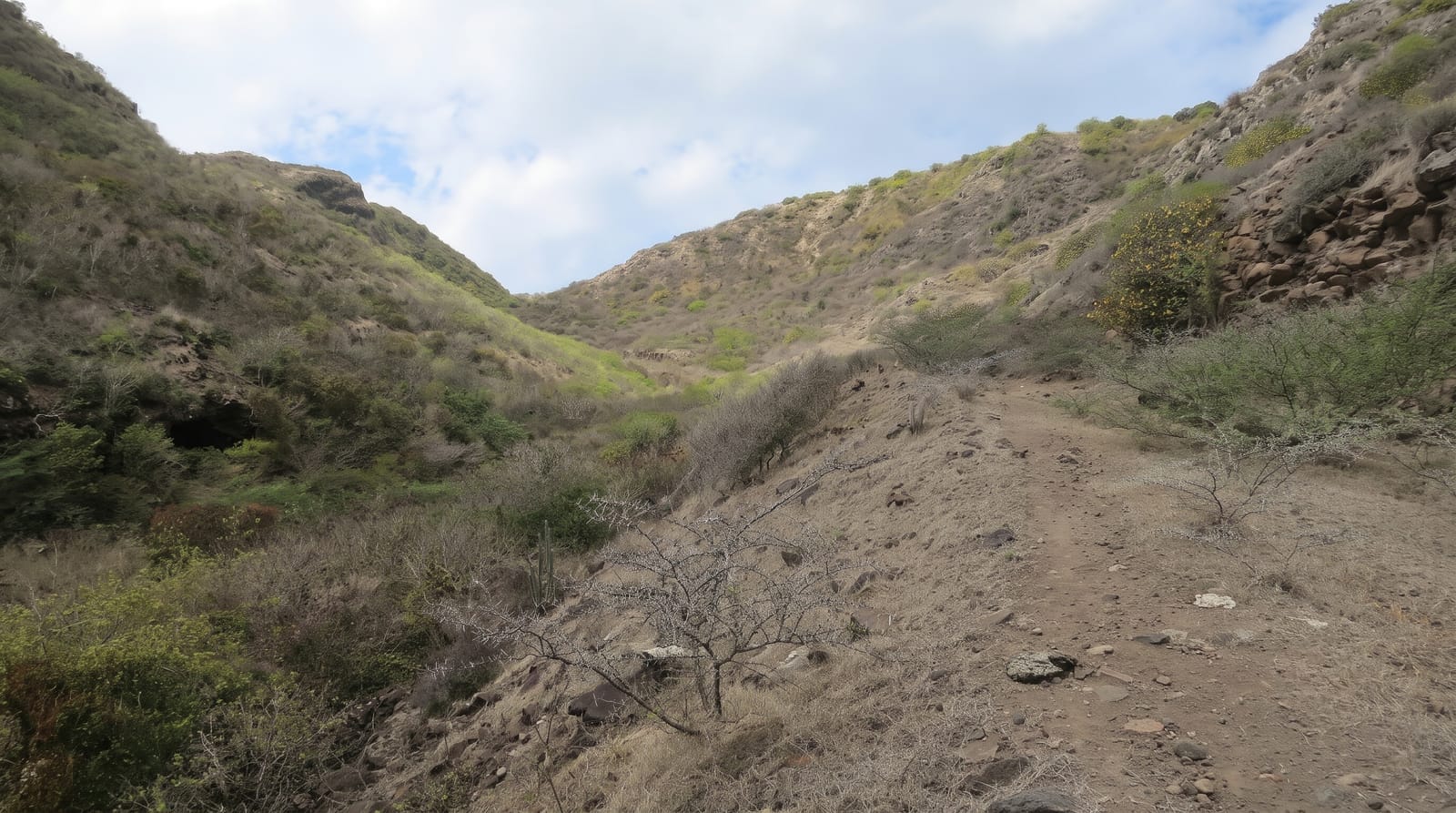
Bui National Park, created in 1971, is the third-largest national park in Ghana, a stretch of woodland savanna split by the Black Volta, with the Bono region on the west bank and the Savannah Region on the east, and the border with Ivory Coast on its western side. It is best known for its hippos: in 2019 Ghana as a whole was thought to hold only 120 to 150, most of them in this park. Colobus monkeys, roan antelope, waterbuck, sitatunga, kob, hartebeest, buffalo, warthogs, leopards and civets also live here, and BirdLife International lists it as an Important Bird Area for species such as violet turacos, red-throated bee-eaters and Senegal parrots. The reservoir of the Bui Dam has flooded 444 square kilometres, about a fifth of the park, along with 85 km of riverbank, and the hippos have moved to the shallower river in the north.
Background
Bui National Park in Ghana was established in 1971. The Black Volta River divides it in two: the part west of the river belongs to the Bono region and the part to the east to the Savannah Region, and the park borders Ivory Coast to the west, with Nsawkaw, Wenchi and Techiman as the closest towns. Set in typical woodland savanna, it is known for its large hippopotamus population in the Black Volta and also has colobus monkeys and many antelopes and birds; BirdLife International has named it an Important Bird Area for species such as violet turacos, red-throated bee-eaters, bearded barbets and Senegal parrots. Part of the park has been flooded by the reservoir of the Bui Dam.
Source: Wikipedia, "Bui National Park"
What you'll find
- Hippos on the river - most of Ghana's remaining hippos live here.
- The Black Volta - the river that divides the park between the Bono and Savannah regions.
- Savanna wildlife - roan antelope, waterbuck, kob, buffalo and warthogs.
- The reservoir - 36 new islands and 500 km of new shoreline behind the Bui Dam.
When to go
December to April. One to two days.
Things to know
About a fifth of the park now lies under the reservoir, which took half of its grassland, and poaching, of elephants in particular, has been one of its main problems.
Nearby
Nsawkaw, Wenchi and Techiman are the closest towns, and buses also come from Kintampo and Sunyani.
Key facts
Source: Wikidata, item Q1002702, read on 18 October 2026.
Opening times, ticket prices and seasonal closures change - check the official source before you go: official site.
Plan your trip
Where to start if Bui National Park is going on the list.
Booking links on this page are affiliate links - if you book through them we may earn a small commission at no extra cost to you. It never changes what we write about a place.
What to pack for Bui National Park
Chosen from what this place is for. Tap a kit for the full checklist.
- Broken-in walking shoes or boots - Grip and ankle support matter more than looks; never hike in brand-new boots. Find on Amazon
- Binoculars - The single best wildlife tool - even a compact pair transforms a sighting. Find on Amazon
- Layers + a waterproof shell - Mountain weather turns fast; a packable rain jacket saves the day. Find on Amazon
- A zoom camera or long lens - Animals rarely come close; reach beats megapixels. Find on Amazon
Some links on this page are Amazon affiliate links - if you buy through them we may earn a small commission at no extra cost to you.
All packing kits