Palmengarten
A garden founded in 1868 when citizens bought a bankrupt duke's plant collection and put it in glasshouses.
Updated 19 October 2026
AI illustration
When the Duke of Nassau lost his lands in 1866, his palm collection at Biebrich came up for sale, and a group of Frankfurt citizens formed a company in 1868, bought it, and opened a garden to house it in 1871, financed by shares and subscriptions rather than by a ruler. The Palmenhaus of 1869 still stands. The Tropicarium, opened in the 1980s, runs visitors through a sequence of climate zones from desert to cloud forest in linked houses. Outdoors, twenty-two hectares hold rock gardens, a rose garden and a lake. It remains one of the largest botanical gardens in Germany.
History
Like many public places in Frankfurt the garden was privately financed, laid out by Heinrich Siesmayer and opened to the public in 1871; Buffalo Bill brought his Western show here in 1890. The city of Frankfurt took it over in 1931, and after a long reconstruction, completed in 1992, its halls were rebuilt and enlarged; the neighbouring Frankfurt Botanical Garden, once part of the university, is now run by the Palmengarten (Wikipedia, Palmengarten).
What to look for
- The 1869 palm house - the original glasshouse built for the ducal collection.
- The Tropicarium - linked houses running from desert to cloud forest.
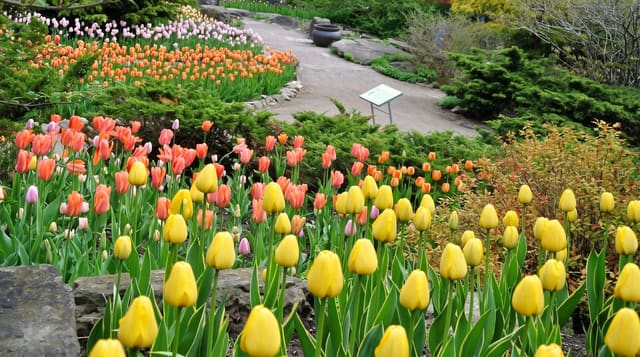
- The outdoor grounds - twenty-two hectares of themed gardens and a lake.
- The founding story - a garden bought by citizens rather than a state.
When to go
Year-round; the glasshouses make winter visits worthwhile. Spring and early summer are best outdoors. Concerts and flower shows run through the season.
What to expect
Some glasshouses close in rotation for maintenance. It is busy at weekends with families. The adjoining botanical garden has separate arrangements.
Nearby
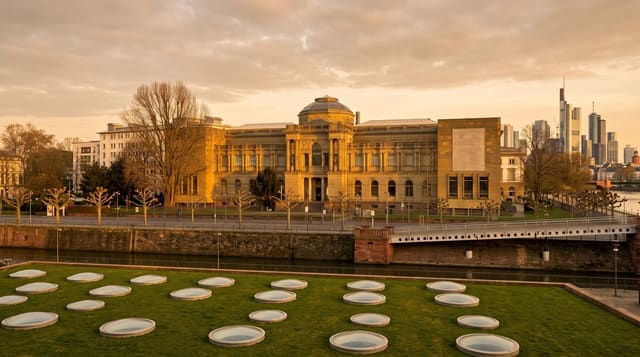
The Senckenberg museum is close; the Main lies south.
Key facts
Source: Wikidata, item Q663149, read on 18 October 2026.
What to pack for Palmengarten
Chosen from what this place is for. Tap a kit for the full checklist.
- Loose, light, long clothing - Covering up beats bare skin in the desert - and locals dress this way for a reason. Find on Amazon
- Comfortable walking shoes - Sightseeing means kilometres of pavement and cobbles daily. Find on Amazon
- A wide-brim hat + sunglasses - Shade for your face and eyes where there is none overhead. Find on Amazon
- A slim anti-theft daypack - Zips that close properly; keep it in front in crowds and on transit. Find on Amazon
Some links on this page are Amazon affiliate links - if you buy through them we may earn a small commission at no extra cost to you.
All packing kitsPlan your trip
Where to start if Palmengarten is going on the list.
Booking links on this page are affiliate links - if you book through them we may earn a small commission at no extra cost to you. It never changes what we write about a place.
Opening times, ticket prices and seasonal closures change - check the official source before you go: official site.