Lisieux Basilica
A vast twentieth-century basilica for a nun who died at twenty-four and became one of France's patron saints.
Updated 4 September 2026
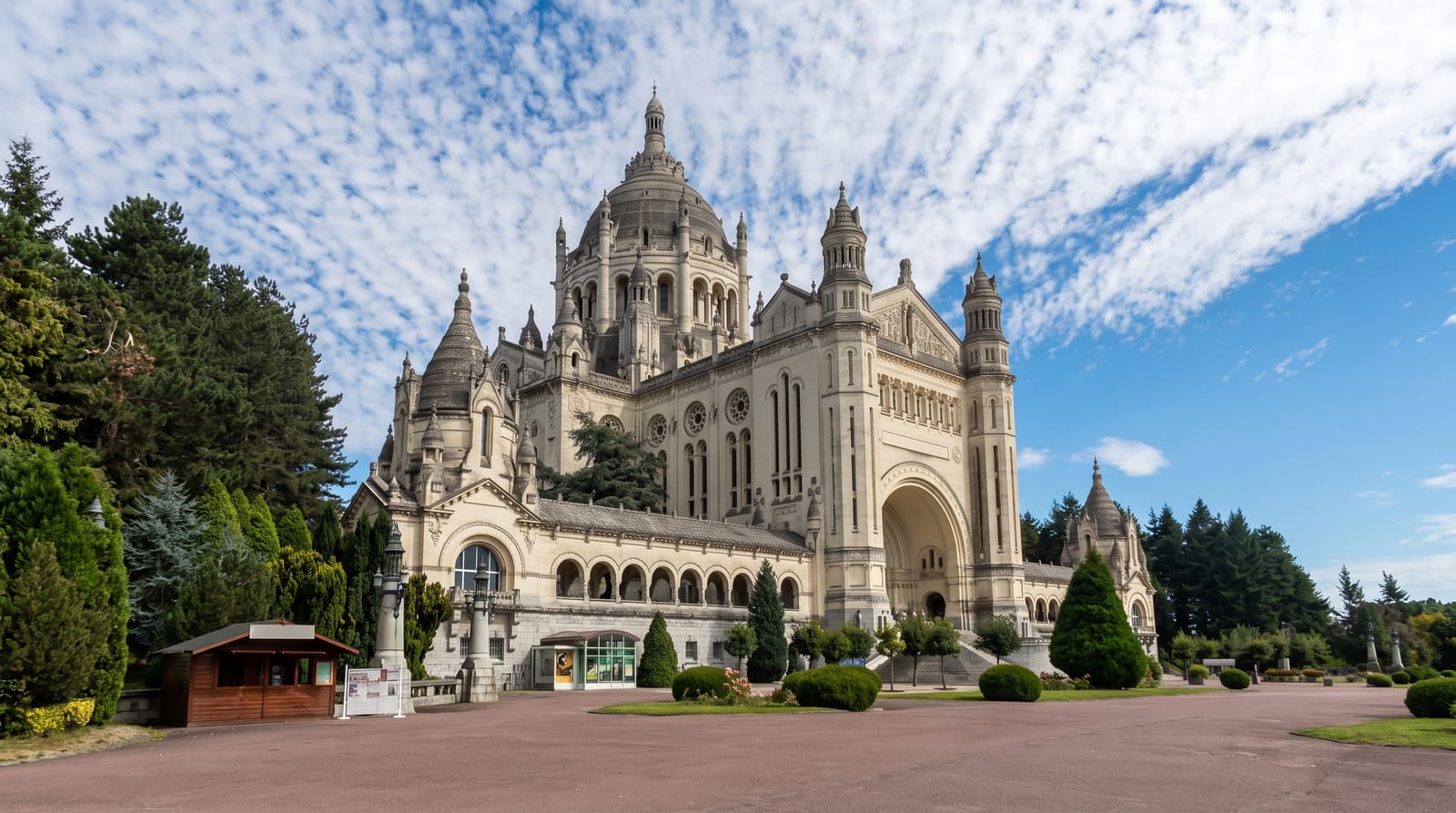
AI illustration
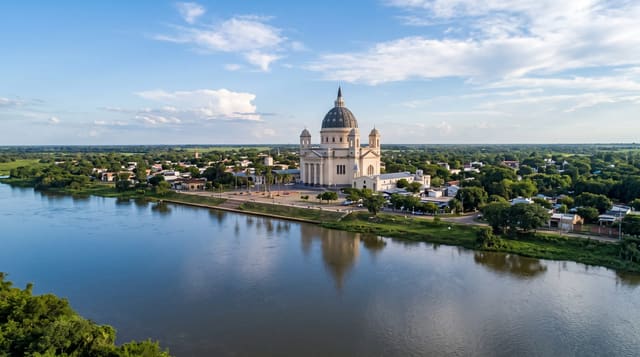
Therese Martin entered the Carmel at Lisieux at fifteen and died of tuberculosis in 1897 aged twenty-four, leaving an autobiography written under obedience that was published after her death and spread extraordinarily fast; she was canonised in 1925, named a patron of France and later declared a Doctor of the Church, one of only four women so named. The basilica built for the pilgrimage was begun in 1929 and consecrated in 1954, in a Romano-Byzantine style with a dome, covering some four and a half thousand square metres, and it is among the largest churches built in France in the twentieth century. Lisieux is the second pilgrimage site in France after Lourdes.
What to look for
- The domed basilica - a Romano-Byzantine church of the 1930s and 1950s.
- The mosaics - interior surfaces covered in mosaic work.
- The Carmel - the convent where Therese lived and died, with her relics.
- Les Buissonnets - the family house where she grew up.
When to go
April to October; the pilgrimage season peaks around her feast in October and in summer. The basilica is open year-round and free. Lisieux was heavily bombed in 1944 and rebuilt.
Before you go
The basilica is twentieth-century, not medieval, which surprises some. The town around was destroyed in 1944 and rebuilt plainly. Sites connected with Therese are spread across the town.
Nearby
The Pays d'Auge cider route lies west; Caen is further west.
What to pack for Lisieux Basilica
Chosen from what this place is for. Tap a kit for the full checklist.
- Comfortable walking shoes - Sightseeing means kilometres of pavement and cobbles daily. Find on Amazon
- Modest clothing - Shoulders and knees covered - the single most common requirement. Find on Amazon
- A slim anti-theft daypack - Zips that close properly; keep it in front in crowds and on transit. Find on Amazon
- A scarf or shawl - To cover the head or shoulders on entry; women especially at mosques. Find on Amazon
Some links on this page are Amazon affiliate links - if you buy through them we may earn a small commission at no extra cost to you.
All packing kitsPlan your trip
Where to start if Lisieux Basilica is going on the list.
Booking links on this page are affiliate links - if you book through them we may earn a small commission at no extra cost to you. It never changes what we write about a place.
Opening times, ticket prices and seasonal closures change - check the official source before you go: official site.