Aix-en-Provence
A town of plane-shaded avenues and around a hundred fountains, where Cezanne kept his studio.
Updated 19 October 2026
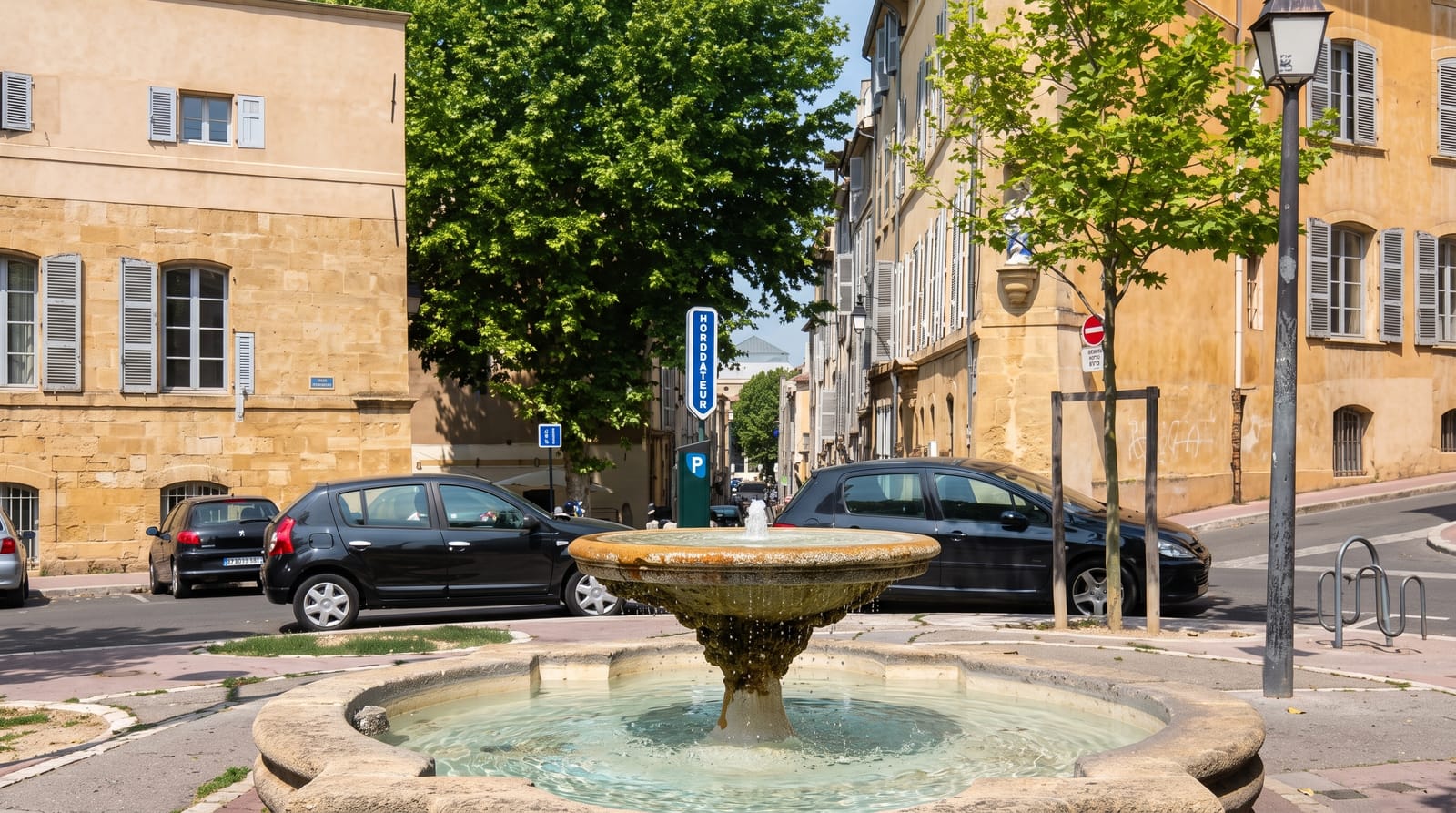
AI illustration
Aix was founded as Aquae Sextiae in 123 BC for its thermal springs, and water still defines it: something like a hundred fountains stand in its squares and streets, including the mossy warm-water Fontaine Moussue on the Cours Mirabeau, the wide plane-shaded avenue laid out in 1649 that splits the old town from the eighteenth-century Mazarin quarter. Paul Cezanne was born here in 1839 and worked here for most of his life; his studio on the hill north of town is kept as he left it, with the objects from his still lifes on the shelves. The Musee Granet holds works by him and others.
History
Aquae Sextiae was founded in 123 BC by the Roman consul Sextius Calvinus, who gave his name to its springs, after the destruction of the nearby Gallic oppidum of Entremont, and in 102 BC the Romans under Gaius Marius defeated the Ambrones and Teutones nearby. In the 4th century it became the metropolis of Narbonensis Secunda; it was occupied by the Visigoths in 477 and later plundered by Franks and Lombards, and as capital of Provence it reached its height after the 12th century, when under the houses of Barcelona and Anjou it became a centre of art and learning. Aix passed to the French crown with Provence in 1487, and in 1501 Louis XII established the Parliament of Provence here, which sat until 1789; excavations in the medieval suburb of the Ville des Tours have uncovered a Roman amphitheatre (Wikipedia, Aix-en-Provence).
What's there
- The Cours Mirabeau - a plane-shaded avenue with fountains along its length.
- The Fontaine Moussue - a moss-covered fountain fed by warm spring water.
- Cezanne's studio - the workroom kept with his own objects in place.
- The Mazarin quarter - a grid of seventeenth-century townhouses.
When to go
April to June and September to October; July and August are very hot and the town partly empties for holidays while filling with visitors. The lyric art festival runs in July.
Good to know
Cezanne's studio holds his tools and props but few of his paintings, which are largely abroad. Summer heat in the old town is heavy. Prices are high compared with the rest of Provence.
Nearby
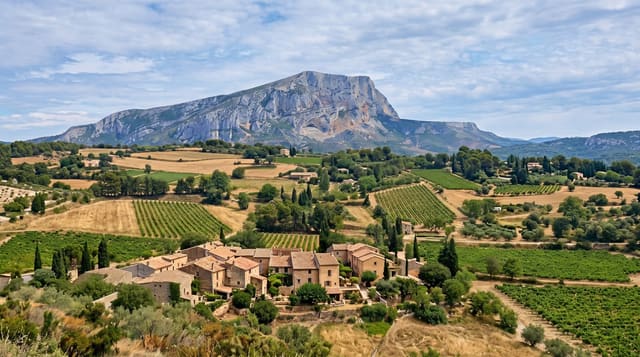
Montagne Sainte-Victoire rises east; Marseille lies south.
Key facts
Source: Wikidata, item Q47465, read on 18 October 2026.
What to pack for Aix-en-Provence
Chosen from what this place is for. Tap a kit for the full checklist.
- Comfortable walking shoes - Sightseeing means kilometres of pavement and cobbles daily. Find on Amazon
- Swimwear - Needed at most public thermal pools; some traditional baths are nude and single-sex. Find on Amazon
- A slim anti-theft daypack - Zips that close properly; keep it in front in crowds and on transit. Find on Amazon
- Quick-dry towel + flip-flops - For wet changing areas and hot poolside stone. Find on Amazon
Some links on this page are Amazon affiliate links - if you buy through them we may earn a small commission at no extra cost to you.
All packing kitsPlan your trip
Where to start if Aix-en-Provence is going on the list.
Booking links on this page are affiliate links - if you book through them we may earn a small commission at no extra cost to you. It never changes what we write about a place.
Opening times, ticket prices and seasonal closures change - check the official source before you go: official site.