Supilinn
A wooden-house district of Tartu whose streets are named after vegetables, long poor and now steadily renovated.
Updated 1 September 2026
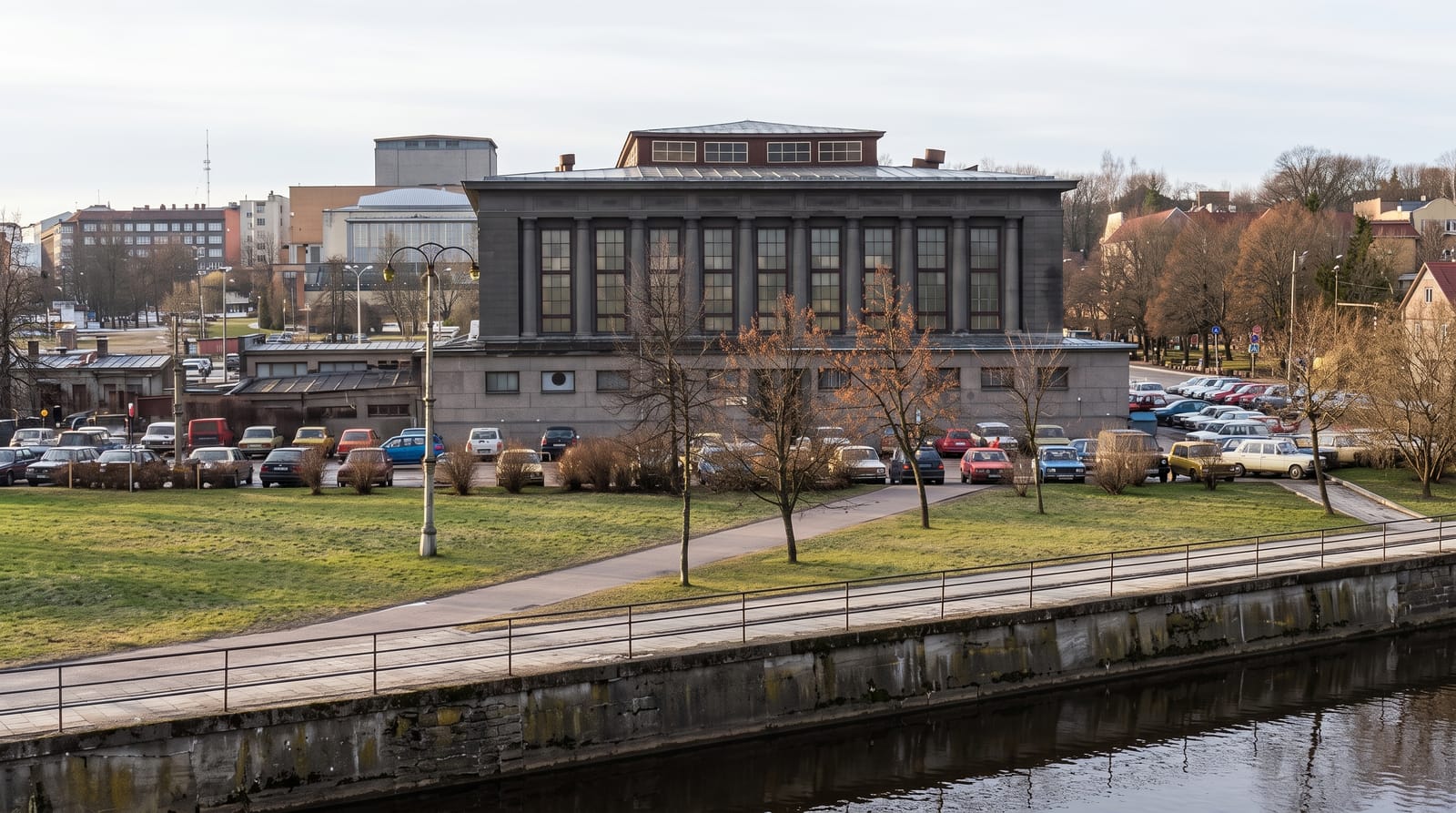
Supilinn, soup town, lies on low ground beside the Emajogi northwest of the Tartu centre, and it got its name from its streets: Herne, Oa, Kartuli, Meloni, Marja, pea, bean, potato, melon, berry. It grew in the nineteenth century as a poor suburb of small wooden houses on land that flooded, and stayed poor through the twentieth century, which is why it was never redeveloped and the timber housing survives. From the 2000s it has been steadily renovated, with a residents' society, cafes, small businesses and rising prices, though enough unrestored houses remain to show what it was. The riverbank, a park and a swimming spot on the Emajogi run along one edge.
Highlights
- The vegetable streets - the lanes named after peas, beans and potatoes.
- Wooden houses - the nineteenth-century timber housing stock.
- The riverbank - the Emajogi shore and park along the district edge.
- Renovation in progress - the mix of restored and unrestored buildings.
When to go
May to September for walking the streets in leaf; the district works year round. Weekday mornings are quietest. The Supilinn days festival in spring brings street events.
Things to know
The houses are private homes and nothing is open to visitors; this is a walk, not a sight. Some streets remain rough and unrenovated. There is little signage or interpretation. It takes an hour or two.
Nearby
Toome hill lies southeast; Tartu old town is beyond it.
Key facts
Source: Wikidata, item Q3744454, read on 18 October 2026.
What to pack for Supilinn
Chosen from what this place is for. Tap a kit for the full checklist.
- Reef-safe sunscreen - High SPF that will not bleach the coral you are swimming over. Find on Amazon
- Comfortable walking shoes - Sightseeing means kilometres of pavement and cobbles daily. Find on Amazon
- Quick-dry towel - A microfibre towel packs small and dries in minutes. Find on Amazon
- A slim anti-theft daypack - Zips that close properly; keep it in front in crowds and on transit. Find on Amazon
Some links on this page are Amazon affiliate links - if you buy through them we may earn a small commission at no extra cost to you.
All packing kitsPlan your trip
Where to start if Supilinn is going on the list.
Booking links on this page are affiliate links - if you book through them we may earn a small commission at no extra cost to you. It never changes what we write about a place.
Opening times, ticket prices and seasonal closures change - check the official source before you go: official site.