Grunerlokka
A former industrial and working-class district east of central Oslo, now the city's centre of independent shops and cafes.
Updated 21 October 2026

AI illustration
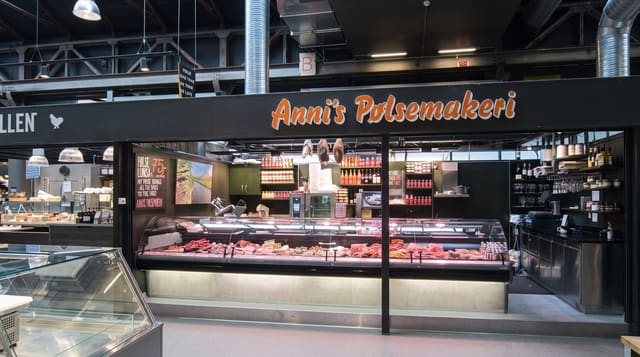
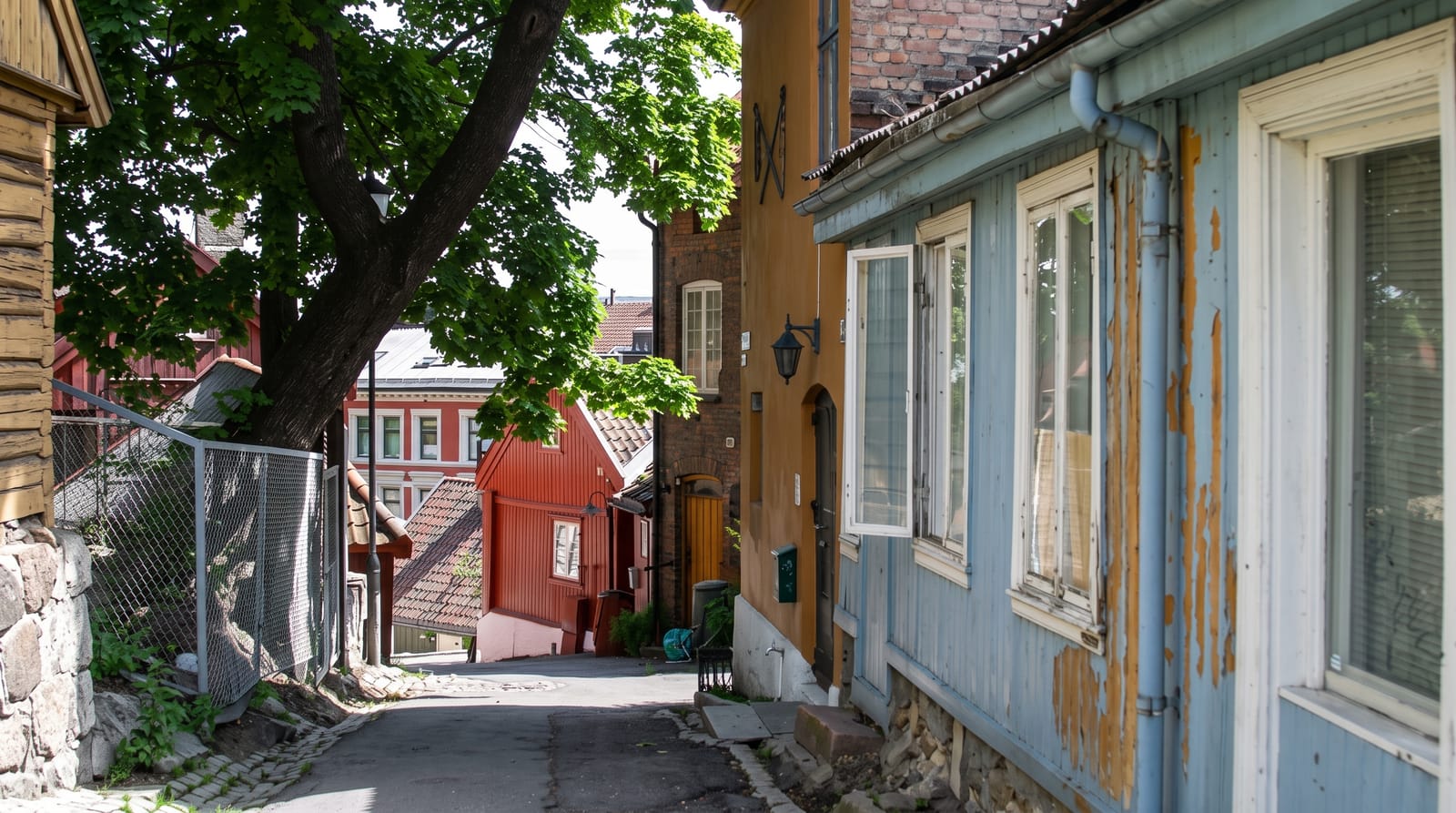
Grunerlokka was built in the late nineteenth century as housing for workers at the mills and factories along the Akerselva, in blocks of four and five-storey apartment buildings around courtyards, and it stayed poor and overcrowded well into the twentieth century. Gentrification from the 1990s turned it into the district Oslo sends visitors to: independent shops, secondhand clothes, record stores, coffee roasters, bars and restaurants concentrated around Thorvald Meyers gate, Markveien and the Mathallen food hall in an old factory. Green space runs through it at Birkelunden and Sofienbergparken, and the Akerselva path with its waterfalls and street art forms the western edge. The Munch Museum stood at nearby Toyen until 2021.
History
The district takes its name from Friedrich Grüner (1628-1674), chief administrator and master of the mint at Christiania, who bought the King's Mill and the land around it from King Christian V in 1672. It became part of the city in 1858, and from 1861 the industrialist Thorvald Meyer bought land here and built the main street that now carries his name; factories came for the Akerselva river, and the parish population grew from 13,600 in 1866 to 22,000 by 1900 (Wikipedia, Grünerløkka).
What you'll find
- The tenement blocks - nineteenth-century workers' housing around courtyards.
- Mathallen - a food hall in a converted factory by the river.
- The independent shops - secondhand clothes, records and small retailers.
- The Akerselva path - the river walk with waterfalls and murals.
When to go
May to September for outdoor terraces and the parks at their best; the food hall and indoor venues work year-round. Weekend evenings are busy and Saturday markets fill the squares.
Before you go
The district has gentrified to the point where prices match central Oslo, and the independent character is thinner than the reputation suggests. Weekend nights are loud. Some streets near the river have visible drug problems.
Nearby
The Akerselva river path runs alongside; central Oslo is fifteen minutes on foot.
Key facts
Source: Wikidata, item Q1552151, read on 18 October 2026.
What to pack for Grunerlokka
Chosen from what this place is for. Tap a kit for the full checklist.
- Comfortable walking shoes - Sightseeing means kilometres of pavement and cobbles daily. Find on Amazon
- A slim anti-theft daypack - Zips that close properly; keep it in front in crowds and on transit. Find on Amazon
- A refillable water bottle - Many cities have public fountains; save money and plastic. Find on Amazon
- A light layer + compact umbrella - For museum air-con and a sudden shower. Find on Amazon
Some links on this page are Amazon affiliate links - if you buy through them we may earn a small commission at no extra cost to you.
All packing kitsPlan your trip
Where to start if Grunerlokka is going on the list.
Booking links on this page are affiliate links - if you book through them we may earn a small commission at no extra cost to you. It never changes what we write about a place.
Opening times, ticket prices and seasonal closures change - check the official source before you go: official site.