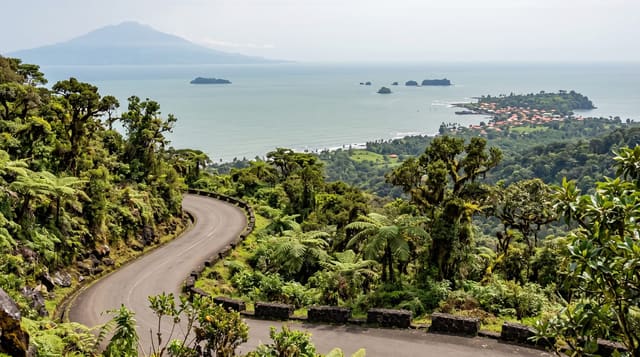
Bioko Island
A lush volcanic island of rainforest and wildlife - the tropical island of Malabo, Equatorial Guinea's capital until 2026, dominated by volcanic peaks cloaked in dense jungle, alive with rare monkeys and, on its remote southern beaches, one of Africa's most important sea-turtle nesting sites.
Updated 19 October 2026
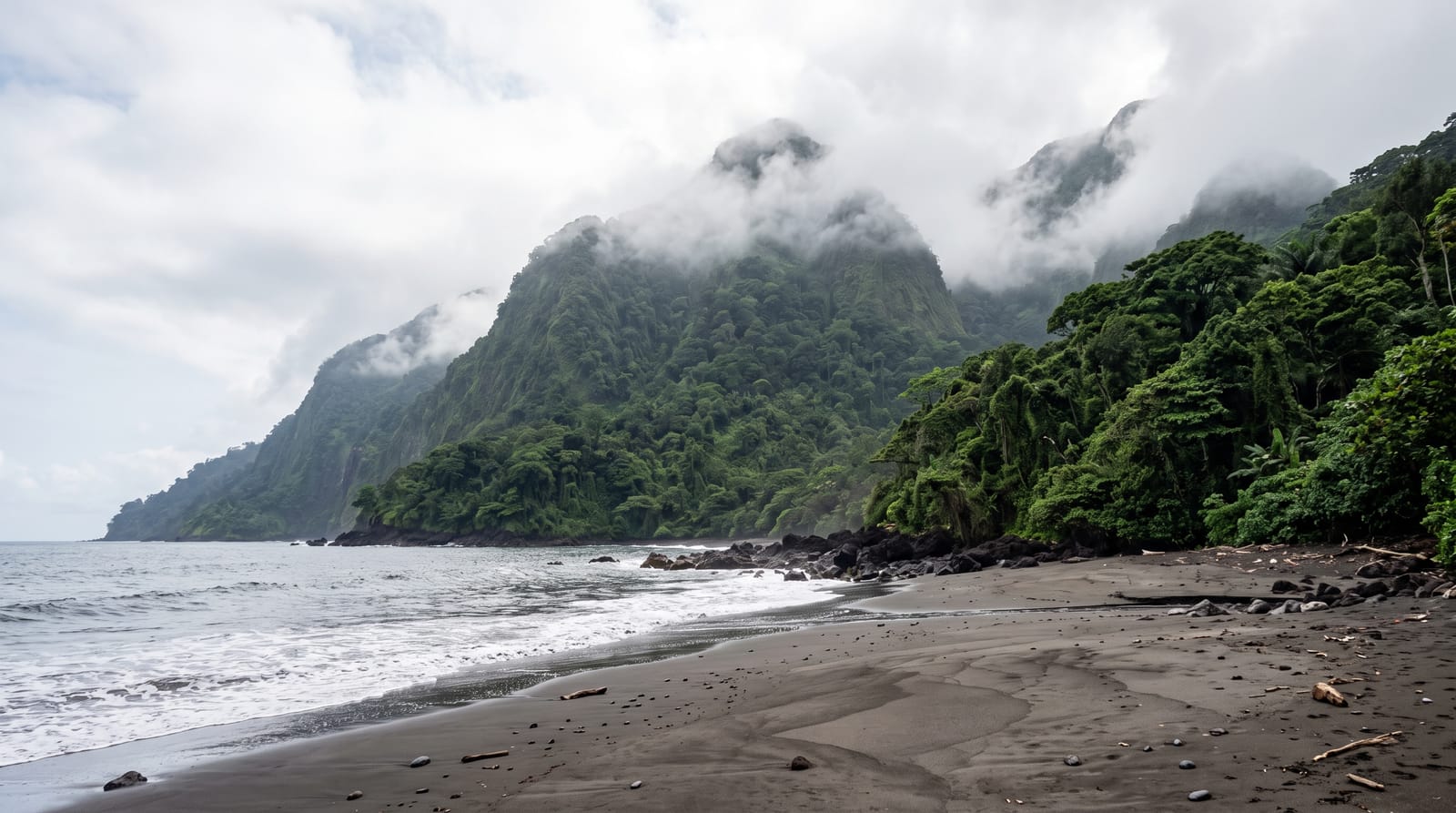
AI illustration
Real photos (1)
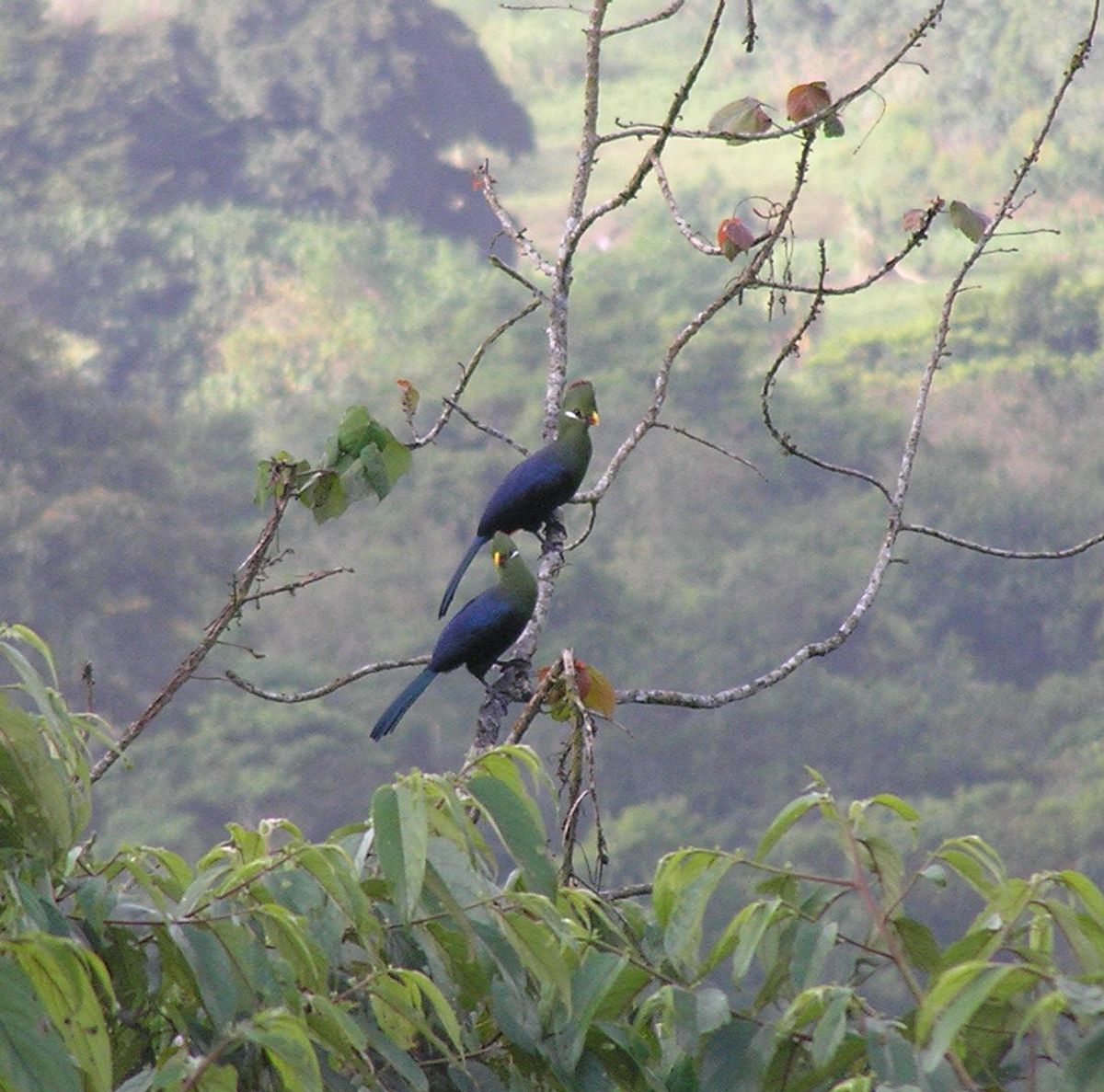
Bioko, the volcanic island off the coast of Cameroon that is home to Malabo, Equatorial Guinea's capital until January 2026, is a lush and dramatic tropical jewel, dominated by the peaks of dormant volcanoes cloaked in dense, misty rainforest. Rising to Pico Basile, the country's highest point, the island's jungle-covered interior and remote south shelter an extraordinary richness of wildlife, especially its endemic and rare monkeys, from drills to colourful guenons, making it a globally important biodiversity hotspot. The island's wild, hard-to-reach southern beaches, around Ureca, are among the most important nesting sites in Africa for several species of sea turtle, including the giant leatherback, a spectacular natural highlight of a little-visited nation.
History
Unlike other islands in the area, Bioko had an indigenous population: Bantu groups from the mainland settled it around the middle of the first millennium BC and became the Bubi people. The Portuguese navigator Fernão do Pó sighted it in 1472 and called it Formosa Flora, and in 1494, when Portugal claimed it, it was renamed Fernando Pó after him and planted with sugarcane. The Dutch East India Company set up trading bases here in 1642, until the Portuguese returned in 1648, while Bubi chiefs such as Molambo began to build a kingdom and many clans moved inland, away from the slave-raiding coast. By the 1778 Treaty of El Pardo Portugal ceded Fernando Pó, Annobón and the Río Muni coast to Spain, together the territory of modern Equatorial Guinea; from 1827 to 1843 Britain leased bases at Port Clarence, now Malabo, and San Carlos for its squadron against the slave trade, under William Fitzwilliam Owen, whose forces freed 2,500 enslaved people. In March 1843 Juan José Lerena raised the Spanish flag at Port Clarence, and the island has been called Bioko since 1979 (Wikipedia, Bioko).
What you'll find
- The rainforest and Pico Basile - the volcanic peaks and jungle.
- The rare monkeys - the endemic drills and colourful guenons.
- The turtle beaches - the remote nesting beaches of the south.
- The wild coast - the dramatic, hard-to-reach southern shore.
When to go
November to February, the drier season, for the most manageable travel, though Bioko is one of the wettest places in Africa and rain is frequent; sea-turtle nesting on the southern beaches peaks roughly November to January. The remote south is reached only by arduous journeys or on organised trips, and wildlife takes guides, effort and luck to encounter.
Good to know
Equatorial Guinea is one of Africa's most difficult countries to visit, with a reputation for strict controls, difficult visas, restrictions and an authoritarian government despite its oil wealth, so independent travel is challenging and heavily regulated; Bioko's remote south is genuinely hard to reach. For those able to visit, though, Bioko's lush volcanic rainforest, rare monkeys and globally important turtle beaches make it a wild and fascinating island in one of the world's least-visited nations.
Nearby
The former capital Malabo and the mainland region of Río Muni are within reach.
Key facts
Source: Wikidata, item Q205022, read on 18 October 2026.
What to pack for Bioko Island
Chosen from what this place is for. Tap a kit for the full checklist.
- Reef-safe sunscreen - High SPF that will not bleach the coral you are swimming over. Find on Amazon
- Binoculars - The single best wildlife tool - even a compact pair transforms a sighting. Find on Amazon
- Strong insect repellent - DEET or picaridin; the jungle is where bites and disease risk are highest. Find on Amazon
- Quick-dry towel - A microfibre towel packs small and dries in minutes. Find on Amazon
Some links on this page are Amazon affiliate links - if you buy through them we may earn a small commission at no extra cost to you.
All packing kitsPlan your trip
Where to start if Bioko Island is going on the list.
Booking links on this page are affiliate links - if you book through them we may earn a small commission at no extra cost to you. It never changes what we write about a place.
Opening times, ticket prices and seasonal closures change - check the official source before you go: official site.