Huahine
The quiet Leeward island of vanilla plantations, ancient stone fish traps and a lagoon without the resort wall.
Updated 19 October 2026

AI illustration
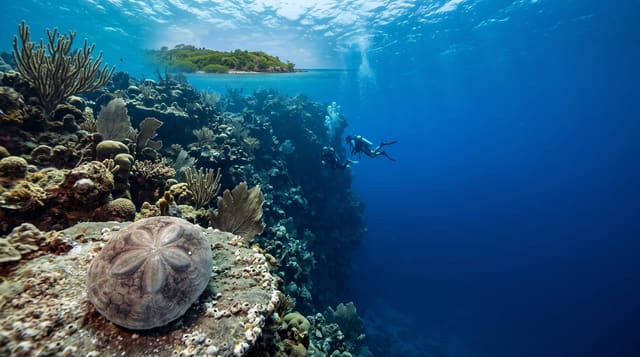
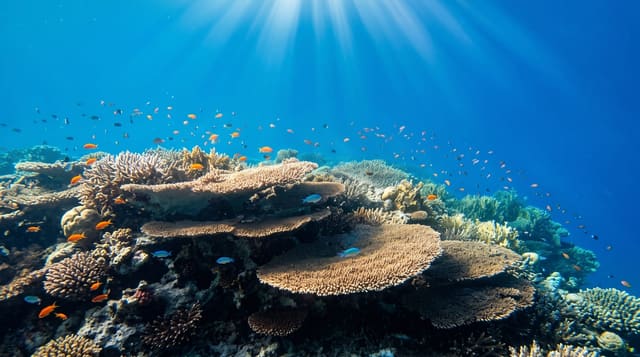
Huahine is two islands joined by a bridge, and it has stayed noticeably quieter and more agricultural than its famous neighbours: vanilla plantations, watermelon fields, small villages and a single low-key main town at Fare. Its archaeology is exceptional. At Maeva, a concentration of more than thirty marae spreads along the lakeshore and up the hill, one of the densest groupings in Polynesia, alongside stone fish traps built across the channel that are still in working use, a design that has caught fish continuously for centuries. Sacred blue-eyed eels, some very large, live in a stream at Faie and are fed by residents. The lagoon offers snorkelling without the resort infrastructure of Bora Bora.
History
People have lived on Huahine for at least a thousand years, as its many marae show; archaeologists think the Maʻohi settled it from at least the 9th century AD, and it holds one of the largest groups of Polynesian remains dated between 850 AD and 1100 AD. Until the late 19th century it was an independent kingdom with Maiao, ruled by three dynasties in turn: the Hau-moʻo-rere, founded in the 17th century, whose last ruler was Queen Tehaʻapapa I, whom Cook met in 1769; the Tamatoa, until 1854; and the Teururaʻi, from 1854 to 1895. Cook arrived in Fare harbour on 16 July 1769 with Tupaia navigating the Endeavour and returned on 3 September 1773, and in 1775 the Spaniard Domingo Bonaechea called it La Hermosa, the beautiful; in 1846 the island resisted French rule and in 1847 declared itself independent, but by a treaty of 15 September 1895 the regent and the principal chiefs renounced their powers in favour of France (Wikipedia, Huahine).
The landscape
- Maeva marae complex - dozens of stone platforms along the lake and hillside.
- The stone fish traps - centuries-old V-shaped traps still catching fish.
- The sacred eels at Faie - large blue-eyed eels fed in a village stream.
- Vanilla plantations - working growers open to visitors.
When to go
May to October, the dry season, for reliable weather and calm lagoon. The island is quiet year-round and does not have a crowded season in the way Bora Bora does.
Practical notes
There is very little organised tourism here, which is the appeal and also the difficulty: limited restaurants, few tours and a real need to rent a car or scooter to see anything. The marae are unrestored and lightly interpreted; a guide makes an enormous difference. Do not touch or feed the eels beyond what residents offer.
Nearby
Raiatea and Taputapuātea are a ferry ride west; Bora Bora lies northwest.
Key facts
Source: Wikidata, item Q521020, read on 18 October 2026.
What to pack for Huahine
Chosen from what this place is for. Tap a kit for the full checklist.
- Reef-safe sunscreen - High SPF that will not bleach the coral you are swimming over. Find on Amazon
- Your own mask + snorkel - A well-fitting mask is the single biggest comfort upgrade underwater. Find on Amazon
- Modest clothing - Shoulders and knees covered - the single most common requirement. Find on Amazon
- Quick-dry towel - A microfibre towel packs small and dries in minutes. Find on Amazon
Some links on this page are Amazon affiliate links - if you buy through them we may earn a small commission at no extra cost to you.
All packing kitsPlan your trip
Where to start if Huahine is going on the list.
Booking links on this page are affiliate links - if you book through them we may earn a small commission at no extra cost to you. It never changes what we write about a place.
Opening times, ticket prices and seasonal closures change - check the official source before you go: official site.