Cuenca
A highland colonial city of blue domes and cobbled streets, and the actual home of the misnamed Panama hat.
Updated 18 October 2026

AI illustration
UNESCO World Heritage
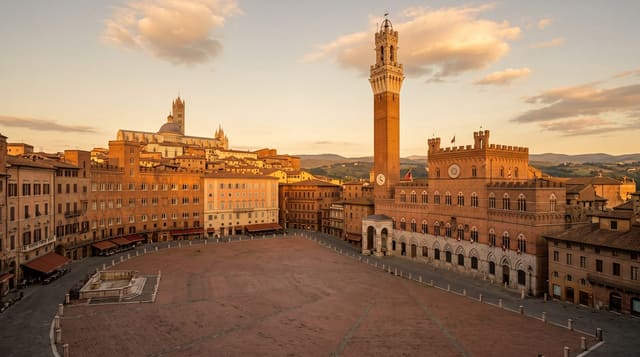
Cuenca sits at about 2,560 metres in a green Andean basin crossed by four rivers, and its historic centre is one of the best-preserved in the Andes: cobbled streets, whitewashed and pastel facades with iron balconies, and the enormous New Cathedral whose three blue-and-white tiled domes have become the city's emblem. Its towers were never finished because a calculation error meant the foundations could not carry them. The city is the real centre of the toquilla straw hat trade, woven in Ecuador and sold worldwide as the Panama hat, a misnomer that dates from the hats being shipped through Panama; the weaving tradition carries its own UNESCO listing and workshops in and around the city show the process. Along the Tomebamba river the old buildings drop down a bluff to a riverside walk.
History
The earliest traces of people in the area go back to about 8060 BC in the Chopsi cave, left by hunters of the páramo, and from about 2000 BC more organised farming societies grew up here. Cuenca began as Guapdondelic, a Cañari settlement thought to date from around 500 AD; less than half a century before the Spanish arrived, the Incas conquered the Cañari after a bitter struggle, probably in the 1470s, renamed the city Tomebamba and made it a regional capital, a second Cusco, where Tupac Yupanqui ordered the building of the grand city of Pumapungo. By the time the Spanish found it, only ruins were left of its fabled splendour (Wikipedia, Cuenca, Ecuador).
The main sights
- The New Cathedral - the blue-domed landmark on Parque Calderón, with a rooftop visit.
- Toquilla hat workshops - weaving demonstrations and museums explaining the real origin.
- El Barranco - the riverside bluff walk beneath the old town.
- Museo Pumapungo - Inca terraces and ethnographic collections at the edge of the centre.
When to go
June to September and December to January are the driest stretches, though Andean weather changes hourly and afternoon rain is common all year. It is cool at this altitude and cold at night. The city's independence celebrations in early November fill hotels.
Before you go
The altitude is real and a first day here should be gentle. Cobbles and steep steps make the old town hard going for anyone with mobility limits. Cheap street-sold hats are not the hand-woven article; the fine ones take weeks to weave and are priced accordingly, so buy from a workshop if authenticity matters.
Nearby
Cajas National Park is an hour west; Ingapirca lies north towards Cañar.
Key facts
Source: Wikidata, item Q54886, read on 18 October 2026.
What to pack for Cuenca
Chosen from what this place is for. Tap a kit for the full checklist.
- Head torch + spare batteries - Hands-free light is essential; caves are truly dark. Find on Amazon
- Layers for big temperature swings - Warm sun by day, near-freezing at night, even near the equator. Find on Amazon
- Comfortable walking shoes - Sightseeing means kilometres of pavement and cobbles daily. Find on Amazon
- Modest clothing - Shoulders and knees covered - the single most common requirement. Find on Amazon
Some links on this page are Amazon affiliate links - if you buy through them we may earn a small commission at no extra cost to you.
All packing kitsPlan your trip
Where to start if Cuenca is going on the list.
Booking links on this page are affiliate links - if you book through them we may earn a small commission at no extra cost to you. It never changes what we write about a place.
Opening times, ticket prices and seasonal closures change - check the official source before you go: official site.