Cotopaxi Volcano
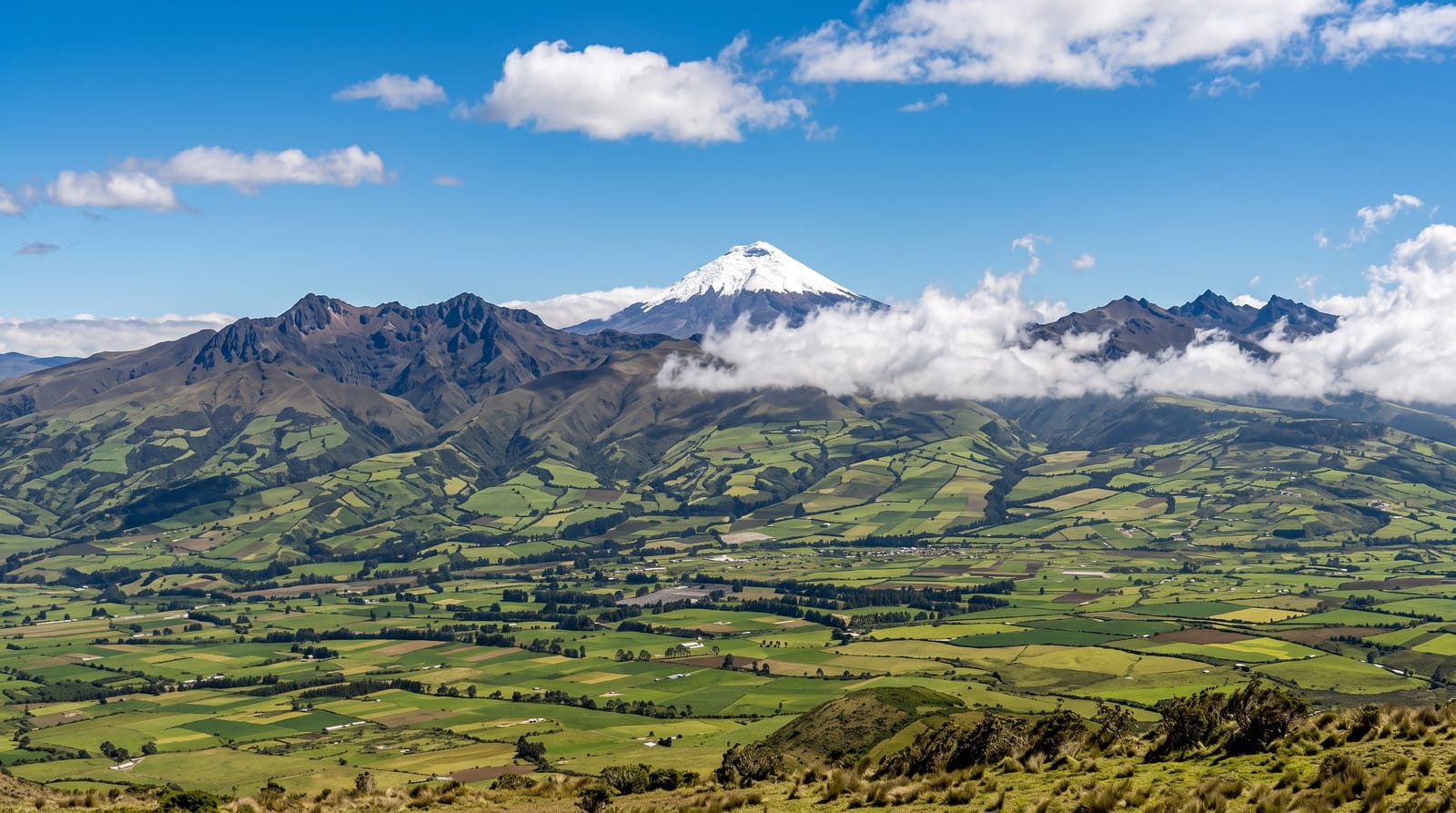
A perfect snow-capped cone - one of the world's highest active volcanoes, a majestic glaciated peak at the heart of the Avenue of the Volcanoes, in a national park of paramo and wild horses.
Updated 19 October 2026
AI illustration
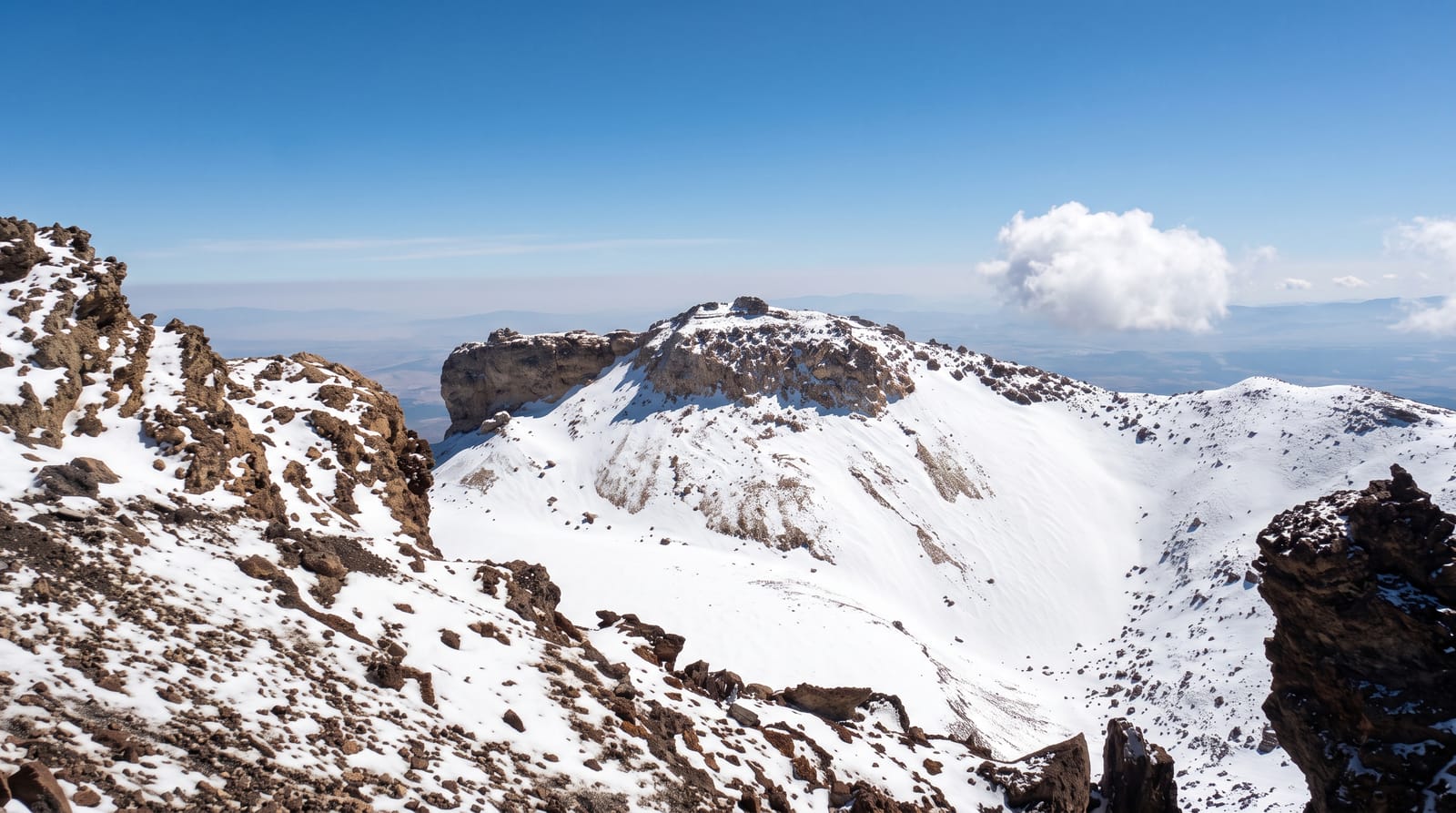
Cotopaxi is one of the most beautiful and iconic volcanoes in the world, a near-perfect, snow-capped cone rising to 5,897 metres south of Quito, and one of the highest active volcanoes on the planet. The jewel of the Ecuadorian Andes and the Avenue of the Volcanoes, it stands at the heart of a national park of windswept paramo grassland roamed by wild horses, offering hikes to a glacier-line refuge, mountain biking and, for the experienced and acclimatised, a demanding climb to the summit.
History
Local Quechua speakers say the name joins words for neck or throat and moon, after the crescent-shaped crater, and the mountain was revered as sacred long before the Inca arrived in the 15th century, worshipped as a sender of rain and a dwelling of gods. With 87 known eruptions it is one of Ecuador's most active volcanoes: its first recorded eruption was in 1534, and its most violent ones came in 1742, 1744, 1768 and 1877, the 1744 and 1768 events destroying the colonial town of Latacunga and the eruption of 26 June 1877 melting the entire ice cap and sending lahars more than 100 km, levelling Latacunga again. The eruption of 19 June 1742 was watched by Pierre Bouguer and Charles-Marie de La Condamine of the French Geodesic Mission, there was a major eruption in 1903-1904, and in 2015 two large steam eruptions began a new phase of activity. Alexander von Humboldt tried to climb it in 1802 but reached only about 4,500 m, and the German geologist Wilhelm Reiss and his Colombian partner Angel Escobar first reached the summit on 28 November 1872 (Wikipedia, Cotopaxi).
What's there
- The perfect cone - the majestic snow-capped volcano.
- The national park - the paramo grassland and wild horses.
- The refuge hike - the walk up to the mountain refuge and glacier line.
- Laguna Limpiopungo - the lake reflecting the peak.
When to go
The drier, clearer months, roughly June to September and December to January, offer the best chance of seeing the often cloud-hidden summit; go early, as the peak is clearest in the morning before cloud builds. It is a genuinely active volcano, so access can close during volcanic unrest.
Before you go
The summit is very often hidden by cloud, so a clear view is not guaranteed; an early start helps. It is a high-altitude environment, so even the refuge hike is breathless work, and the summit climb is a serious, guided, technical mountaineering ascent, not a trek. As an active volcano, it has closed during periods of volcanic unrest, so check the status.
Nearby
The Quilotoa crater lake, the town of Latacunga and Quito are within reach.
Key facts
Source: Wikidata, item Q181476, read on 18 October 2026.
What to pack for Cotopaxi Volcano
Chosen from what this place is for. Tap a kit for the full checklist.
- Broken-in walking shoes or boots - Grip and ankle support matter more than looks; never hike in brand-new boots. Find on Amazon
- Warm base layers - Merino or synthetic against the skin - never cotton, which chills when damp. Find on Amazon
- Layers for big temperature swings - Warm sun by day, near-freezing at night, even near the equator. Find on Amazon
- Modest clothing - Shoulders and knees covered - the single most common requirement. Find on Amazon
Some links on this page are Amazon affiliate links - if you buy through them we may earn a small commission at no extra cost to you.
All packing kitsPlan your trip
Where to start if Cotopaxi Volcano is going on the list.
Booking links on this page are affiliate links - if you book through them we may earn a small commission at no extra cost to you. It never changes what we write about a place.
Opening times, ticket prices and seasonal closures change - check the official source before you go: official site.