Irazú Volcano
The country's highest volcano at 3,432 metres, with a green crater lake and, on a rare clear day, both oceans from the summit.
Updated 1 September 2026
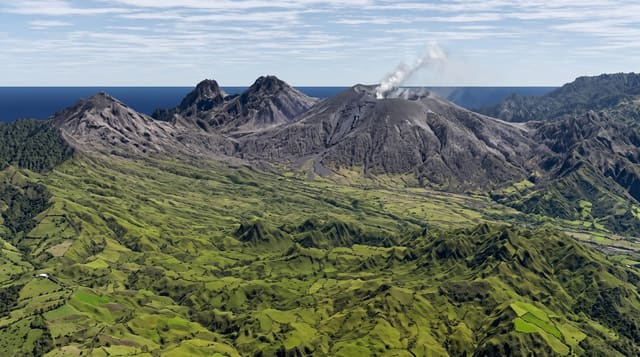
AI illustration
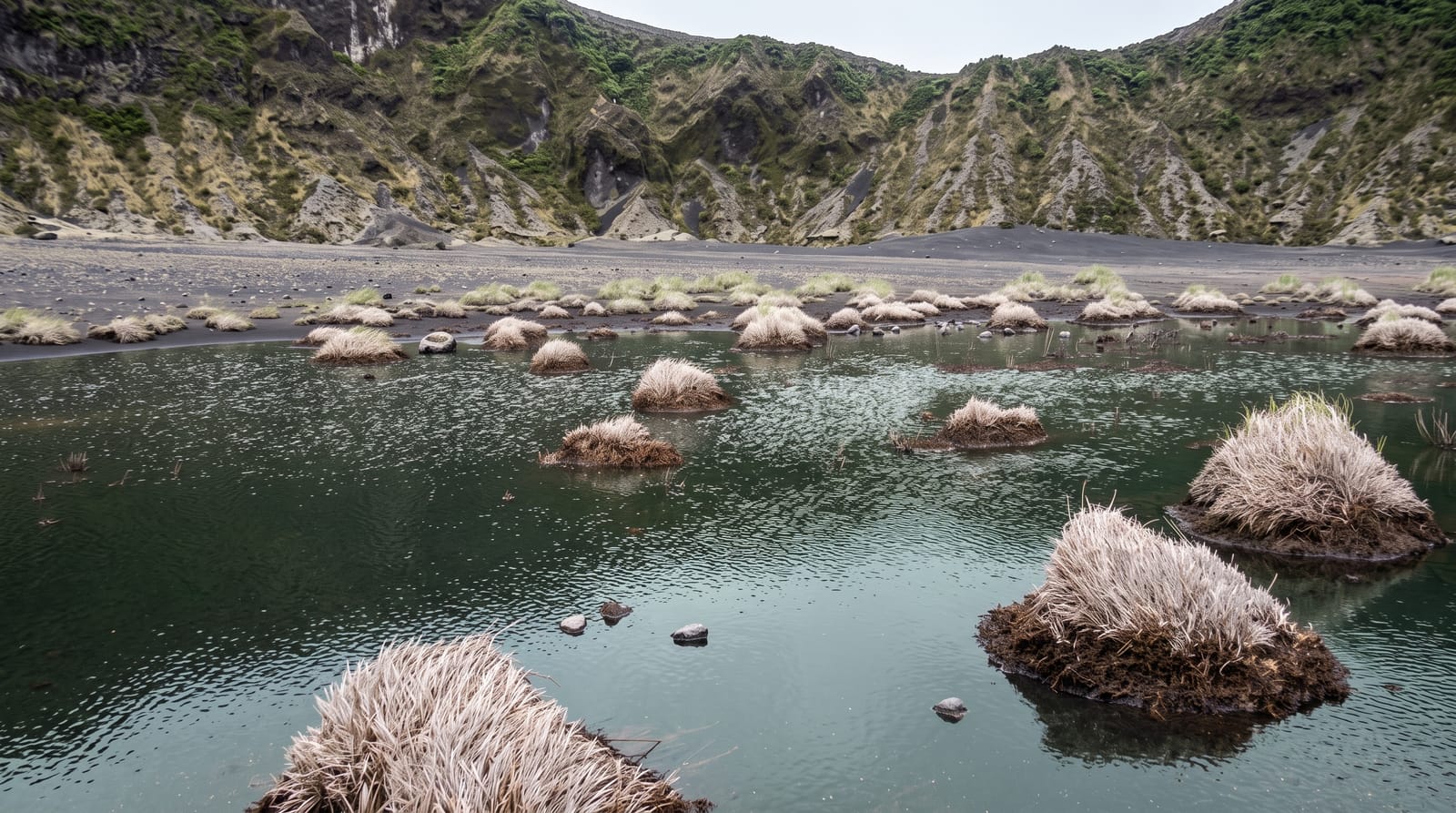
Irazú rises to three thousand four hundred and thirty-two metres, the highest volcano in Costa Rica, and a road runs almost to the crater rim, which makes it the easiest high-altitude landscape in the country to reach. The main crater holds a lake that shifts between green and grey depending on rainfall and mineral content, sometimes disappearing entirely in dry years. The summit is a moonscape of grey ash with almost no vegetation, cold and often in cloud. On a genuinely clear morning both the Pacific and the Caribbean are visible, which happens rarely enough to be worth the early start.
The landscape
- Diego de la Haya crater - the lake, green or grey depending on the season.
- The main crater - a wide ash bowl at the summit.
- The ash moonscape - grey and almost lifeless at the top.
- Both oceans - visible from the summit on rare clear mornings.
When to go
December to April is the dry season and the only realistic window for the view; go at first light, since cloud almost always closes in by mid-morning. Entry is timed and capped, so book online in advance. It is cold at the summit, often near five degrees.
Before you go
Cloud wins most days, and many visitors drive ninety minutes to stand in fog. Entry is by timed online booking and walk-ups are turned away. The crater lake dries up entirely in some years. There is no walking to speak of; the road goes almost to the rim and the trails are short.
Nearby
Cartago and the Orosi valley are below; Turrialba is an hour east.
Key facts
Source: Wikidata, item Q1672472, read on 18 October 2026.
What to pack for Irazú Volcano
Chosen from what this place is for. Tap a kit for the full checklist.
- Broken-in walking shoes or boots - Grip and ankle support matter more than looks; never hike in brand-new boots. Find on Amazon
- Layers for big temperature swings - Warm sun by day, near-freezing at night, even near the equator. Find on Amazon
- Layers + a waterproof shell - Mountain weather turns fast; a packable rain jacket saves the day. Find on Amazon
- Extra-strong sun protection - Thin air means fierce UV; hat, sunglasses and high-SPF sunscreen. Find on Amazon
Some links on this page are Amazon affiliate links - if you buy through them we may earn a small commission at no extra cost to you.
All packing kitsPlan your trip
Where to start if Irazú Volcano is going on the list.
Booking links on this page are affiliate links - if you book through them we may earn a small commission at no extra cost to you. It never changes what we write about a place.
Opening times, ticket prices and seasonal closures change - check the official source before you go: official site.