Pasochoa Wildlife Refuge
A collapsed volcano crater near Quito holding a rare surviving fragment of native Andean forest.
Updated 31 August 2026
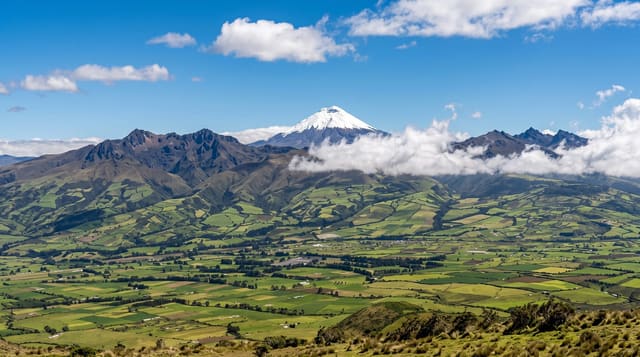
Pasochoa is an extinct volcano south of Quito whose crater collapsed on one side, and the sheltered bowl that remains held onto something almost gone from the inter-Andean valley: a stand of native highland forest, polylepis, podocarpus and pumamaqui, that was never cleared for farming as the surrounding valley was, and which now stands as a reference for what the whole basin once looked like. Trails of different lengths run from the visitor area up through the forest into paramo, with the longest reaching the crater rim at about 4,200 metres. Over a hundred bird species have been recorded, including hummingbirds, tanagers and the occasional condor, and the reserve is a standard school and day trip from Quito.
What you'll find
- Surviving native Andean forest - polylepis and podocarpus never cleared.
- The collapsed crater bowl - the shelter that preserved the woodland.
- Trails from forest to paramo - routes up toward the 4,200-metre rim.
- A hundred bird species - hummingbirds and tanagers through the trees.
When to go
June to September for the driest trails; mornings for birds. Half a day, a full day for the rim. Weekends bring Quito families and school groups.
What to expect
The access road from Amaguana is rough and taxis charge accordingly. The rim trail is long and steep with real altitude gain. Facilities are basic. Cloud closes in most afternoons.
Nearby
Quito is north; Cotopaxi lies south.
Key facts
Source: Wikidata, item Q18901045, read on 18 October 2026.
What to pack for Pasochoa Wildlife Refuge
Chosen from what this place is for. Tap a kit for the full checklist.
- Broken-in walking shoes or boots - Grip and ankle support matter more than looks; never hike in brand-new boots. Find on Amazon
- Layers for big temperature swings - Warm sun by day, near-freezing at night, even near the equator. Find on Amazon
- Layers + a waterproof shell - Mountain weather turns fast; a packable rain jacket saves the day. Find on Amazon
- Extra-strong sun protection - Thin air means fierce UV; hat, sunglasses and high-SPF sunscreen. Find on Amazon
Some links on this page are Amazon affiliate links - if you buy through them we may earn a small commission at no extra cost to you.
All packing kitsPlan your trip
Where to start if Pasochoa Wildlife Refuge is going on the list.
Booking links on this page are affiliate links - if you book through them we may earn a small commission at no extra cost to you. It never changes what we write about a place.
Opening times, ticket prices and seasonal closures change - check the official source before you go: official site.