Cerro Blanco Protected Forest
A tropical dry forest reserve at the edge of Guayaquil, home to great green macaws.
Updated 31 August 2026
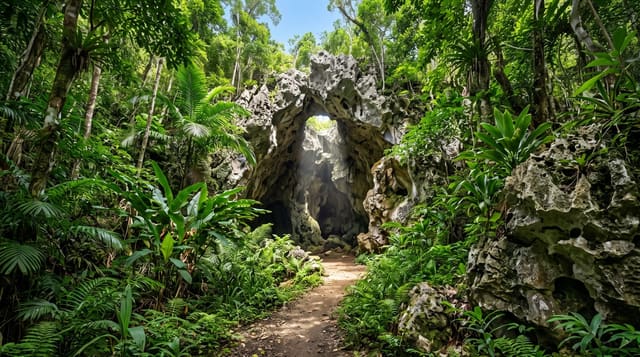
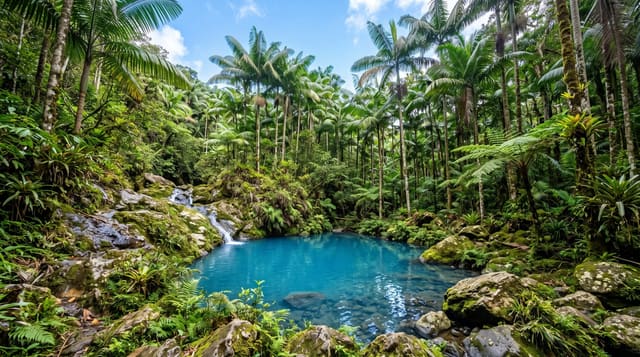
Cerro Blanco protects about six thousand hectares of tropical dry forest in the hills at the western edge of Guayaquil, a forest type that once covered much of coastal Ecuador and western Peru and of which very little now survives. It is best known for a small population of great green macaws, one of the most endangered parrots in the Americas, which nest here and are seen and heard from the trails, alongside howler monkeys, ocelots and over two hundred bird species. Trails of different lengths climb through ceibo forest to viewpoints over the city and the Guayas estuary, and the forest transforms between seasons, bare and grey in the dry months, dense green in the wet.
What you'll find
- Great green macaws - one of the last populations of an endangered parrot.
- Ceibo dry forest - the huge pale trunks of the kapok trees.
- Howler monkeys in the canopy - heard far further than they are seen.
- Viewpoints over the estuary - the city and the Guayas from the ridge.
When to go
January to April, the wet season, when the forest is green and birds are breeding; the dry months are bare and brown. Half a day, starting early. Some trails require a guide booked ahead.
Practical notes
The dry season leaves the forest leafless and grey, which disappoints people expecting jungle. Heat and humidity are heavy. The macaws are few and sightings are not guaranteed. A quarry and the highway run close to the boundary.
Nearby
Guayaquil is east; Manglares Churute lies south.
Key facts
Source: Wikidata, item Q2838186, read on 18 October 2026.
What to pack for Cerro Blanco Protected Forest
Chosen from what this place is for. Tap a kit for the full checklist.
- Broken-in walking shoes or boots - Grip and ankle support matter more than looks; never hike in brand-new boots. Find on Amazon
- Strong insect repellent - DEET or picaridin; the jungle is where bites and disease risk are highest. Find on Amazon
- Layers + a waterproof shell - Mountain weather turns fast; a packable rain jacket saves the day. Find on Amazon
- Long, light, quick-dry clothing - Covers skin from insects and sun without cooking you in the humidity. Find on Amazon
Some links on this page are Amazon affiliate links - if you buy through them we may earn a small commission at no extra cost to you.
All packing kitsPlan your trip
Where to start if Cerro Blanco Protected Forest is going on the list.
Booking links on this page are affiliate links - if you book through them we may earn a small commission at no extra cost to you. It never changes what we write about a place.
Opening times, ticket prices and seasonal closures change - check the official source before you go: official site.