Ituri Rainforest
A vast block of lowland rainforest in the northeast, home to Mbuti communities and to the okapi.
Updated 1 September 2026
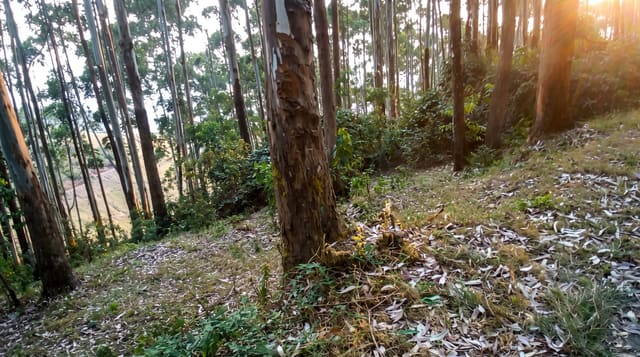
The Ituri is one of the largest continuous blocks of lowland rainforest in Africa, running across the northeast of the country between the Congo basin and the Albertine rift. It is the forest that made the okapi known to science in 1901, and it is the home of Mbuti and Efe communities whose hunting and gathering life in it has been documented for a century. The canopy is dense, the rivers are black with tannin, and the forest supports one of the richest primate assemblages anywhere.
What's there
- The forest - continuous lowland rainforest with a closed canopy over most of its area.
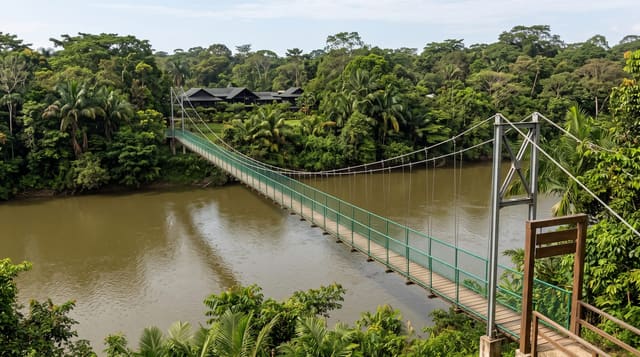
- The rivers - blackwater streams cutting through under the trees.
- The Mbuti communities - people whose forest life has been recorded since the early twentieth century.
- The wildlife - okapi, forest elephant and thirteen or more primate species.
When to go
The relatively drier windows, December to February and June to August, are the practical times, though rain falls in every month. Walking is done early in the day. Roads through the forest deteriorate badly in the wet.
What to expect
Visits to Mbuti communities are arranged in very different ways by different operators, and it is worth asking directly who is paid and on what terms. The forest is hard going: hot, wet, and full of biting insects. There is no visitor infrastructure outside the reserve stations.
Nearby
The Okapi Wildlife Reserve lies within the forest, and Mambasa is on the road through it.
Key facts
Source: Wikidata, item Q847368, read on 18 October 2026.
What to pack for Ituri Rainforest
Chosen from what this place is for. Tap a kit for the full checklist.
- Broken-in walking shoes or boots - Grip and ankle support matter more than looks; never hike in brand-new boots. Find on Amazon
- Binoculars - The single best wildlife tool - even a compact pair transforms a sighting. Find on Amazon
- Strong insect repellent - DEET or picaridin; the jungle is where bites and disease risk are highest. Find on Amazon
- Layers + a waterproof shell - Mountain weather turns fast; a packable rain jacket saves the day. Find on Amazon
Some links on this page are Amazon affiliate links - if you buy through them we may earn a small commission at no extra cost to you.
All packing kitsPlan your trip
Where to start if Ituri Rainforest is going on the list.
Booking links on this page are affiliate links - if you book through them we may earn a small commission at no extra cost to you. It never changes what we write about a place.
Opening times, ticket prices and seasonal closures change - check the official source before you go: official site.