Scotts Head and Soufriere Bay
A fishing village on the rim of a drowned volcano - snorkelling a crater wall, the isthmus where two seas meet and Friday fish fires.
Updated 7 August 2026
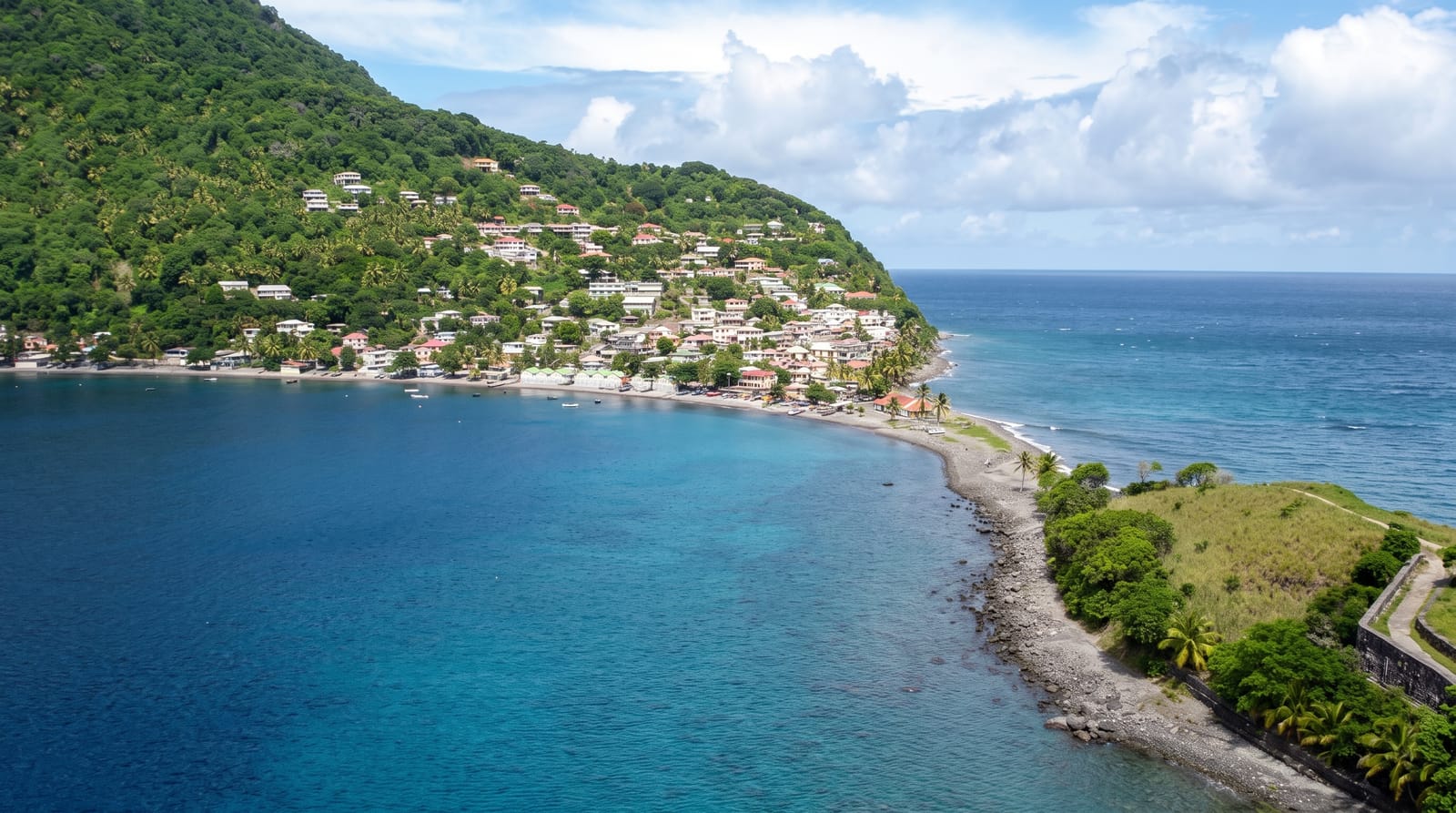
AI illustration
Dominica's southern tip is the rim of a drowned volcanic crater, and Soufriere Bay fills the caldera: the seabed plunges close to shore down the crater wall, which makes the snorkelling extraordinary for effort - fans, sponges and reef fish on a slope that keeps going down into blue. The village of Scotts Head sits on the isthmus at the rim's end, where a five-minute scramble up the headland shows the calm Caribbean on one side and the ruffled Atlantic on the other, touching. Champagne Reef's volcanic bubbles rise just up the coast, and Friday nights the village lights fish fires.
The landscape
- The crater-wall snorkel - the drop-off metres from the beach.
- The isthmus viewpoint - Caribbean and Atlantic meeting at the headland.
- Champagne Reef - the bubbling volcanic seabed up the coast.
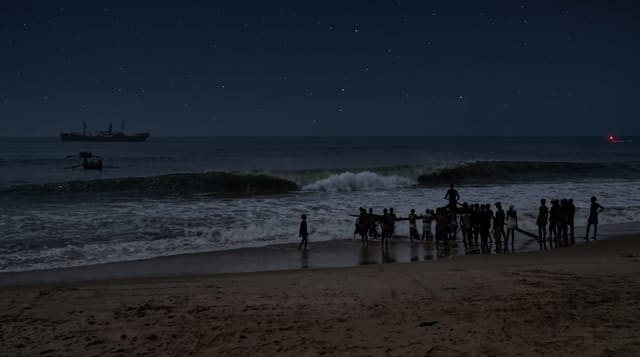
- Friday fish fires - the village grill evening at the bay.
When to go
February to May for the calmest, clearest water; the bay shelters well most of the year. Mornings give glassy snorkelling before the breeze. The marine reserve's no-take rules hold throughout.
Before you go
Entries are over pebbles and rock - reef shoes help, and the drop-off means weak swimmers should stay with a float or guide. Facilities are village-simple. The headland path is steep, loose and flip-flop-hostile. Champagne Reef's famous bubbles are charming but modest; the crater wall is the better swim.
Nearby
Champagne Reef, Soufriere's sulphur springs and Roseau.
What to pack for Scotts Head and Soufriere Bay
Chosen from what this place is for. Tap a kit for the full checklist.
- Travel rod + reel - A packable multi-piece rod fits in a case and covers most holiday fishing. Find on Amazon
- Reef-safe sunscreen - High SPF that will not bleach the coral you are swimming over. Find on Amazon
- Your own mask + snorkel - A well-fitting mask is the single biggest comfort upgrade underwater. Find on Amazon
- A small tackle selection - Hooks, weights, line and a few lures or flies suited to local waters. Find on Amazon
Some links on this page are Amazon affiliate links - if you buy through them we may earn a small commission at no extra cost to you.
All packing kitsPlan your trip
Where to start if Scotts Head and Soufriere Bay is going on the list.
Booking links on this page are affiliate links - if you book through them we may earn a small commission at no extra cost to you. It never changes what we write about a place.
Opening times, ticket prices and seasonal closures change - check the official source before you go: official site.