Bayamo
One of the first Spanish towns in Cuba, largely rebuilt after a nineteenth-century fire, quiet and full of horse carts.
Updated 19 October 2026
Bayamo was founded in 1513 as one of the earliest Spanish settlements on the island, and it burned almost completely in 1869, which is why so little colonial fabric survives. What is left centres on the Plaza del Himno and the parish church beside it, with the birthplace of Carlos Manuel de Céspedes on the main square as a museum. The town is quiet, low-rise and unusually pleasant to walk, and horse-drawn carts still work as ordinary public transport through the streets.
History
Founded in 1513, Bayamo was the second of the seven towns founded by Diego Velázquez de Cuéllar, and in 1540 the Basque landowner Francisco Iznaga was elected its mayor. Through much of the 16th century it was one of the island's most important farming and trading towns: its inland position kept it safer from the pirates of the Caribbean, and through the Cauto river, then open to ships of 200 tons, and the port of Manzanillo it ran a thriving contraband trade that made it the leading town of Cuba at the start of the 17th century. A great flood in 1616 choked the Cauto with trees and wrecks and cut it off from the sea, but its trade with Curaçao, Jamaica and other islands went on through Manzanillo in the 17th and 18th centuries, and fine plantations surrounded the town. It became a city in 1827, and it was almost destroyed in the war of 1868-1878 (Wikipedia, Bayamo).
What to look for
- Plaza del Himno - the small square beside the parish church, with the church's painted ceiling inside.
- The Céspedes house - a colonial house on the main square, now a museum.
- The horse carts - coches working as scheduled public transport around the town.
- The wax museum - a small and unexpectedly popular collection of Cuban figures.
When to go
November to April is the dry season. Saturday nights bring a street party along Calle General García with food stalls and music, which is the town at its liveliest. Summer is very hot on this plain.
Things to know
The 1869 fire took most of the colonial town, so anyone coming for architecture will find less than in Camagüey or Trinidad. Museums keep short and unreliable hours. There is little accommodation beyond private houses.
Nearby
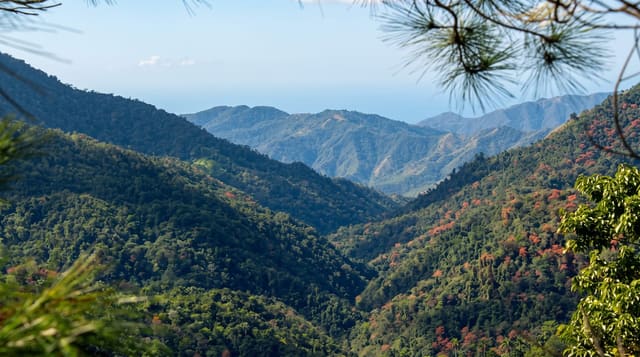
Manzanillo is west on the coast, and the Sierra Maestra rises south of the city.
Key facts
Source: Wikidata, item Q115382, read on 18 October 2026.
What to pack for Bayamo
Chosen from what this place is for. Tap a kit for the full checklist.
- Comfortable walking shoes - Sightseeing means kilometres of pavement and cobbles daily. Find on Amazon
- A slim anti-theft daypack - Zips that close properly; keep it in front in crowds and on transit. Find on Amazon
- A refillable water bottle - Many cities have public fountains; save money and plastic. Find on Amazon
- A light layer + compact umbrella - For museum air-con and a sudden shower. Find on Amazon
Some links on this page are Amazon affiliate links - if you buy through them we may earn a small commission at no extra cost to you.
All packing kitsPlan your trip
Where to start if Bayamo is going on the list.
Booking links on this page are affiliate links - if you book through them we may earn a small commission at no extra cost to you. It never changes what we write about a place.
Opening times, ticket prices and seasonal closures change - check the official source before you go: official site.