Qinghai-Tibet Railway
The highest railway in the world, crossing a 5,072-metre pass with oxygen piped into the carriages.
Updated 18 October 2026

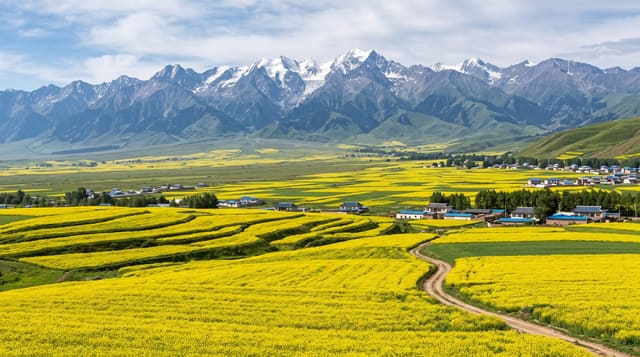
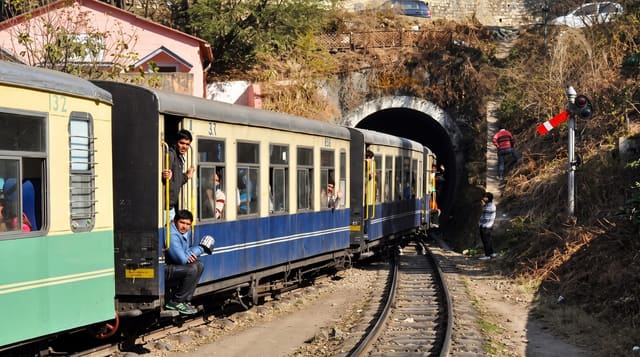
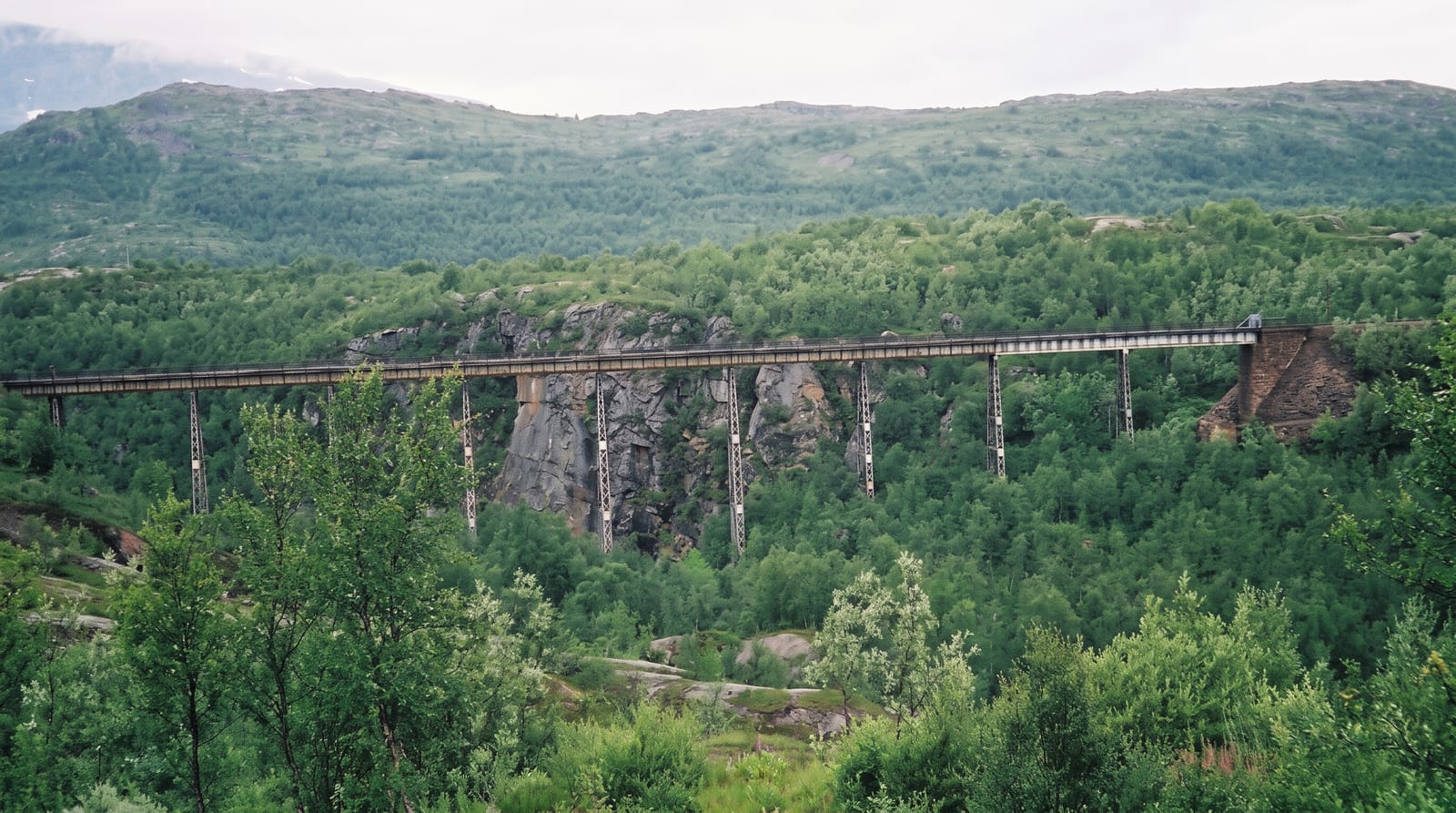
AI illustration
The section from Golmud to Lhasa, opened in 2006, runs for over eleven hundred kilometres across the Tibetan plateau, most of it above four thousand metres, crossing the Tanggula pass at 5,072 metres, the highest point reached by any railway. Building it meant laying track over permafrost that thaws and heaves, solved with elevated embankments, cooling pipes and bridges, and carriages are pressurised with supplementary oxygen available at each berth. The journey from Xining takes around twenty-one hours through Kekexili, past Tibetan antelope, wild ass, salt lakes and snow ranges, with wildlife underpasses along the line.
History
Xining was linked to the national network in 1959, when the line from Lanzhou was completed, and the 815-kilometre section from Xining to Golmud, begun in 1958, opened to traffic in 1984. The 1,142 kilometres on to Lhasa had to wait until the problems of laying track on permafrost were solved: work started on 29 June 2001, track-laying in Tibet began from Amdo in both directions on 22 June 2004, rails reached the Tanggula Pass, at 5,072 metres the line's highest point, on 24 August 2005, and the section was finished on 12 October 2005 at a cost of $3.68 billion. After eight more months of signalling work and testing it opened in 2006, the first railway in Tibet, with 361 high-altitude carriages built by Bombardier with oxygen enrichment and UV protection; Tanggula station, at 5,068 metres, is the highest in the world (Wikipedia, Qinghai-Tibet railway).
The main sights
- The Tanggula pass - the highest railway crossing in the world at 5,072 metres.
- The plateau wildlife - antelope, wild ass and yak from the window.
- The permafrost engineering - embankments and bridges over thawing ground.
- The oxygen supply - supplementary oxygen at each berth on the high section.
When to go
May to October for the clearest views and greenest plateau; winter journeys are stark and cold but tickets easier. Summer tickets sell out well in advance, particularly soft sleepers.
Good to know
Tickets are hard to get in summer and the journey is long. Altitude affects passengers even on the train, with headaches common. Foreign travellers need a Tibet permit before boarding.
Nearby
Xining and Qinghai Lake are at the northern end; Lhasa is the terminus.
Key facts
Source: Wikidata, item Q233754, read on 18 October 2026.
What to pack for Qinghai-Tibet Railway
Chosen from what this place is for. Tap a kit for the full checklist.
- Binoculars - The single best wildlife tool - even a compact pair transforms a sighting. Find on Amazon
- Warm base layers - Merino or synthetic against the skin - never cotton, which chills when damp. Find on Amazon
- Comfortable walking shoes - Sightseeing means kilometres of pavement and cobbles daily. Find on Amazon
- A zoom camera or long lens - Animals rarely come close; reach beats megapixels. Find on Amazon
Some links on this page are Amazon affiliate links - if you buy through them we may earn a small commission at no extra cost to you.
All packing kitsPlan your trip
Where to start if Qinghai-Tibet Railway is going on the list.
Booking links on this page are affiliate links - if you book through them we may earn a small commission at no extra cost to you. It never changes what we write about a place.
Opening times, ticket prices and seasonal closures change - check the official source before you go: official site.