Cidade Velha
Where the tropics met Europe first - the 1462 town on Santiago whose fort, pillory and banana-lined valley carry a heavy, foundational history.
Updated 18 October 2026

AI illustration
UNESCO World Heritage
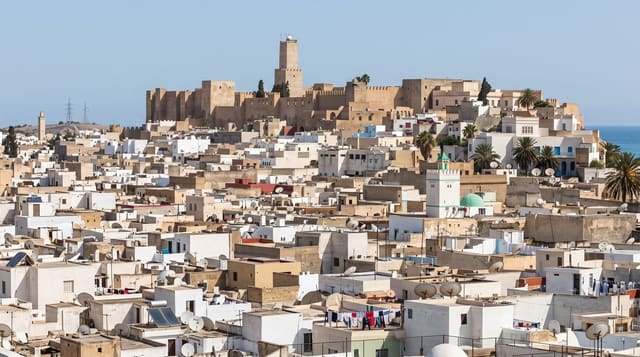
Ribeira Grande de Santiago - Cidade Velha, the old city - was the first European colonial town in the tropics, founded in 1462 and grown rich and terrible as a hub of the Atlantic slave trade, where ships, crops and enslaved people from three continents first met. UNESCO inscribed it in 2009 for exactly that pivotal, painful role. What remains rewards the short trip from Praia: the hilltop Fortaleza Real de Sao Filipe glowering over the bay, the marble pillory of 1512 in the old square, the ruined cathedral begun in 1556, and Rua Banana's row of stone-and-thatch houses running up a valley of palms and banana gardens toward the convent ruins.
History
The island of Santiago was discovered in 1460 by António da Noli, a Genoese in Portuguese service, who settled at Ribeira Grande in 1462 with his family and colonists from the Algarve and Alentejo. In the 16th and 17th centuries the town was a centre of trade between Africa, Brazil and the Caribbean and a main platform of the trade in enslaved Africans; Vasco da Gama called here in 1497, Columbus in 1498 and the survivors of Magellan's expedition in 1522, the church of Nossa Senhora do Rosário dates from 1495, and in 1533 the town became the seat of a new diocese. Sir Francis Drake attacked it in 1585 and Jacques Cassard in 1712, and despite the Forte Real de São Filipe built in 1587-1593 it declined; the capital moved to Praia in 1770, restoration began in the 1960s, and in 2009 the old city was designated a World Heritage Site (Wikipedia, Cidade Velha).
What you'll find
- Fortaleza Real de Sao Filipe - the 1580s hilltop fort above the bay.
- The pillory square - the 1512 marble column at the town's heart.
- The cathedral ruins - the vast unfinished-and-ruined 16th-century shell.
- Rua Banana - the thatched lane up the green valley to the convent.
When to go
November to June for dry, breezy weather; the site is compact enough for a morning from Praia with lunch by the fishing beach. Late afternoon light warms the fort's basalt.
Good to know
This is a place to visit with its history in mind: the town's wealth was built on the slave trade, and the pillory in particular is a monument to coercion - guides here tell the story straight, and it deserves hearing. The physical remains are fragmentary; without the context the town reads as a pretty fishing village with ruins. Midday is shadeless and hot on the fort hill.
Nearby
Praia's plateau old town, the Serra Malagueta trails and Santiago's interior markets.
Key facts
Source: Wikidata, item Q464913, read on 18 October 2026.
What to pack for Cidade Velha
Chosen from what this place is for. Tap a kit for the full checklist.
- Travel rod + reel - A packable multi-piece rod fits in a case and covers most holiday fishing. Find on Amazon
- Comfortable walking shoes - Sightseeing means kilometres of pavement and cobbles daily. Find on Amazon
- Modest clothing - Shoulders and knees covered - the single most common requirement. Find on Amazon
- Shelter suited to the place - Tent, tarp or hut booking - match it to the terrain and rules. Find on Amazon
Some links on this page are Amazon affiliate links - if you buy through them we may earn a small commission at no extra cost to you.
All packing kitsPlan your trip
Where to start if Cidade Velha is going on the list.
Booking links on this page are affiliate links - if you book through them we may earn a small commission at no extra cost to you. It never changes what we write about a place.
Opening times, ticket prices and seasonal closures change - check the official source before you go: official site.