Lesser Slave Lake
A boreal lake on a migration funnel, where a bird observatory bands thousands of songbirds each season.
Updated 21 October 2026

AI illustration
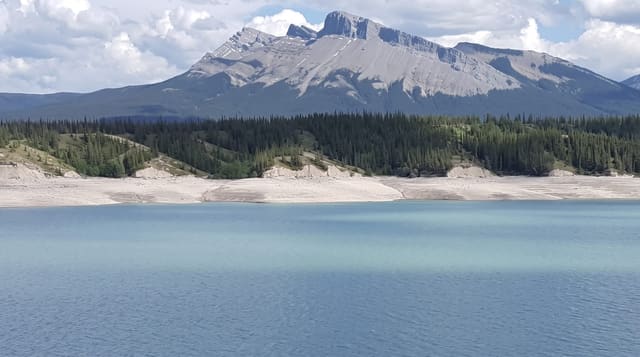
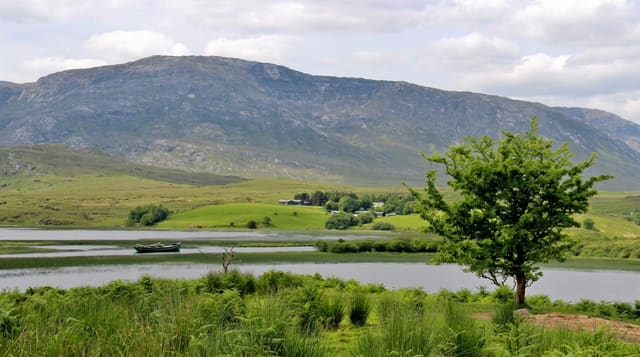
Lesser Slave Lake is one of the largest lakes in Alberta and sits where the boreal forest narrows between the lake and the Marten Mountains, funnelling migrating songbirds through a corridor a few kilometres wide. The Lesser Slave Lake Bird Observatory works that funnel: mist nets catch and band thousands of birds each season, and visitors can watch banding in season. The lake's northern shore has long sand beaches, unusual this far north. Around two-fifths of the town of Slave Lake was destroyed or damaged by wildfire in 2011 and rebuilt.
The landscape
- The bird observatory - banding operations open to visitors in migration season.
- The migration funnel - a corridor concentrating songbirds between lake and hills.
- The sand beaches - long boreal beaches on the northern shore.
- The boreal forest - spruce and aspen with a well-marked trail network.
When to go
May and early June for spring migration, August and September for autumn; banding runs on those schedules. Summer suits the beaches. Winter is severe and the observatory closes.
Before you go
Banding operations run only in migration windows and depend on weather. The lake is shallow and gets rough quickly in wind. Services outside Slave Lake town are sparse.
Nearby
Edmonton lies south; the Peace Country is northwest.
Key facts
Source: Wikidata, item Q956201, read on 18 October 2026.
What to pack for Lesser Slave Lake
Chosen from what this place is for. Tap a kit for the full checklist.
- Broken-in walking shoes or boots - Grip and ankle support matter more than looks; never hike in brand-new boots. Find on Amazon
- Reef-safe sunscreen - High SPF that will not bleach the coral you are swimming over. Find on Amazon
- Spare batteries + cards - Cold and long shoots drain power; never run out at the good light. Find on Amazon
- Layers + a waterproof shell - Mountain weather turns fast; a packable rain jacket saves the day. Find on Amazon
Some links on this page are Amazon affiliate links - if you buy through them we may earn a small commission at no extra cost to you.
All packing kitsPlan your trip
Where to start if Lesser Slave Lake is going on the list.
Booking links on this page are affiliate links - if you book through them we may earn a small commission at no extra cost to you. It never changes what we write about a place.
Opening times, ticket prices and seasonal closures change - check the official source before you go: official site.