Cape Scott Provincial Park
Wild beaches at the island's northern tip, where a Danish settlement failed twice and the forest took it back.
Updated 12 October 2026
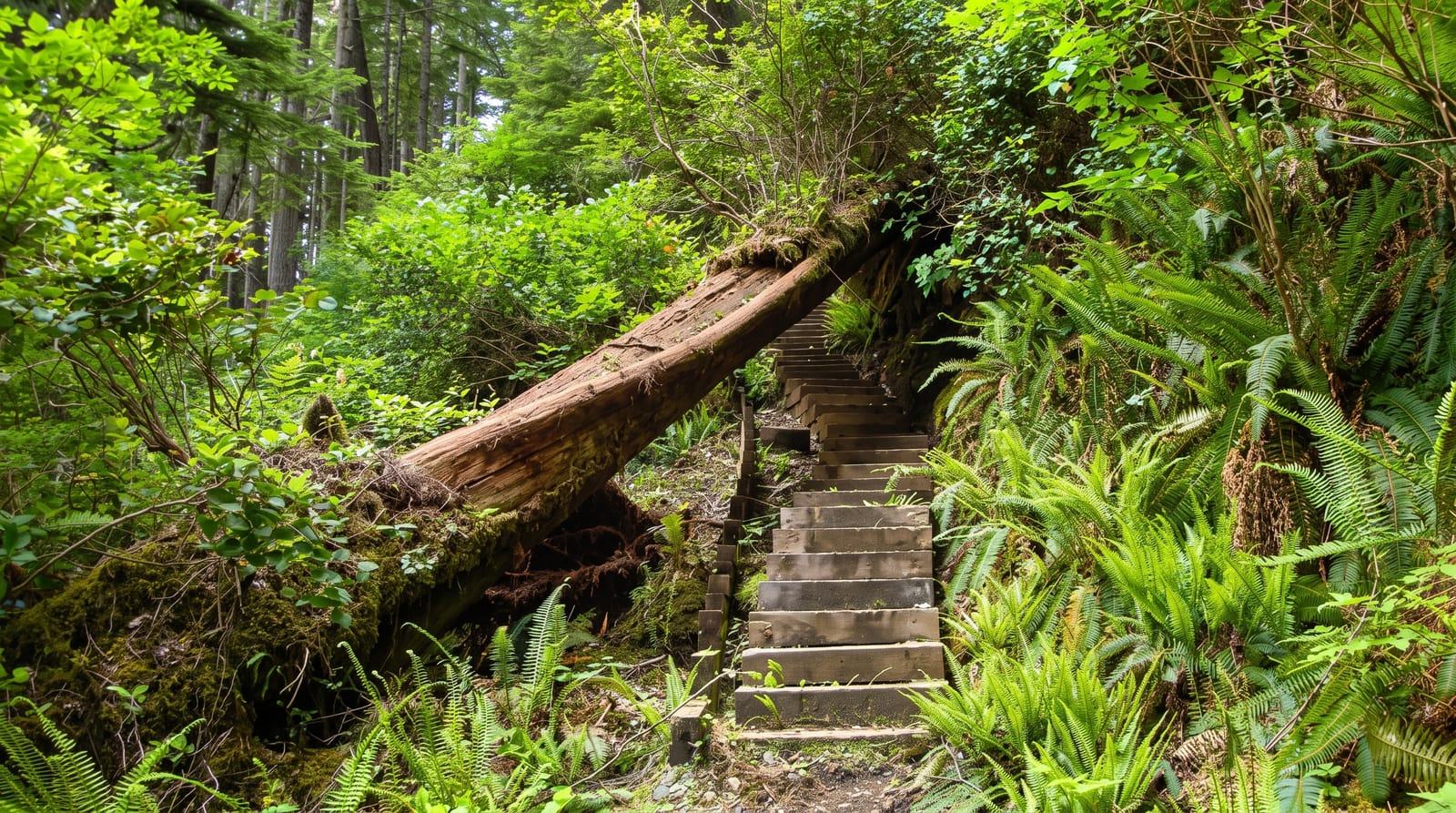
AI illustration
Danish settlers arrived at Cape Scott in 1897 expecting a road and a harbour that never came, farmed the exposed flats behind the beaches, and gave up; a second attempt after 1910 failed the same way. Fence posts, a corduroy road and cleared meadows are still visible in the forest, along with the remains of a wharf. The park protects about twenty-two thousand hectares of rainforest and beaches, with San Josef Bay the easy one, a forty-five minute walk to sea stacks and wide sand. The cape itself, with its lighthouse, is a twenty-three kilometre walk. The North Coast Trail runs beyond it.
The landscape
- San Josef Bay - sea stacks and wide sand, a forty-five minute walk in.
- The settler traces - fence posts, meadows and a corduroy road in the forest.
- The Cape Scott lighthouse - a 23 km walk to the island's northwest tip.
- The North Coast Trail - a demanding multi-day route east from the cape.
When to go
June to September; the trails are deep mud outside summer and winter storms are severe. Even in July rain is frequent. Tides govern several beach sections.
What to expect
The access road is rough gravel with active logging traffic and no services. Mud is a constant even in dry spells. There is no cell coverage and rescue is slow.
Nearby
Port Hardy lies southeast; Telegraph Cove is further south-east.
Key facts
Source: Wikidata, item Q1034490, read on 18 October 2026.
What to pack for Cape Scott Provincial Park
Chosen from what this place is for. Tap a kit for the full checklist.
- Broken-in walking shoes or boots - Grip and ankle support matter more than looks; never hike in brand-new boots. Find on Amazon
- Reef-safe sunscreen - High SPF that will not bleach the coral you are swimming over. Find on Amazon
- Strong insect repellent - DEET or picaridin; the jungle is where bites and disease risk are highest. Find on Amazon
- Layers + a waterproof shell - Mountain weather turns fast; a packable rain jacket saves the day. Find on Amazon
Some links on this page are Amazon affiliate links - if you buy through them we may earn a small commission at no extra cost to you.
All packing kitsPlan your trip
Where to start if Cape Scott Provincial Park is going on the list.
Booking links on this page are affiliate links - if you book through them we may earn a small commission at no extra cost to you. It never changes what we write about a place.
Opening times, ticket prices and seasonal closures change - check the official source before you go: official site.